Comprehensive Summarization:
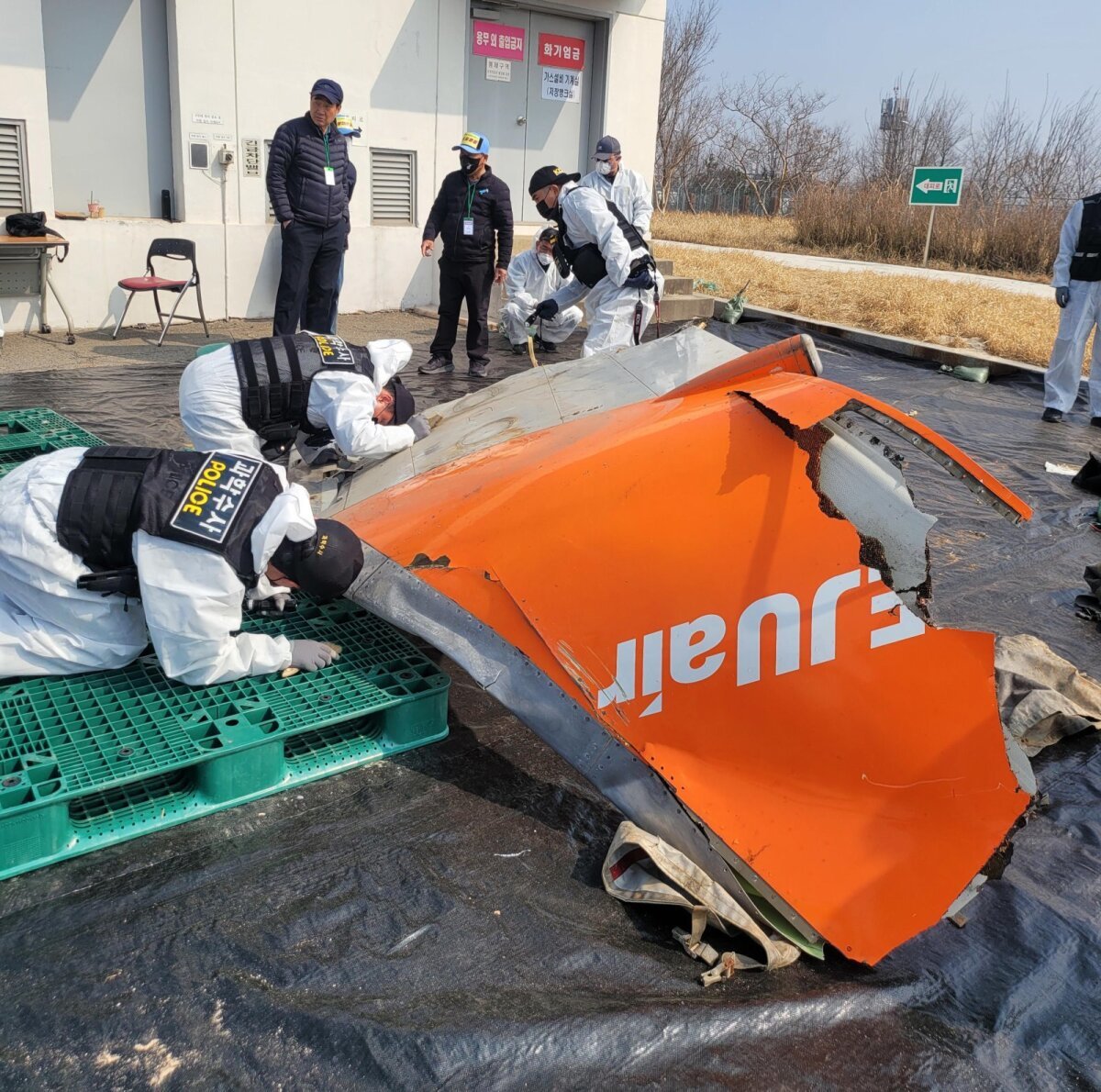
The article reports on the ongoing investigation into the remains and personal belongings of victims from the Dec. 29, 2024, Jeju Air passenger plane crash in Jeju, South Korea, which killed 179 people. More than 14 months after the tragic incident, officials have discovered 64 items believed to be human remains at Muan Airport during a joint government reinvestigation. DNA testing has confirmed that nine of these items belong to seven victims, while the analysis of the remaining items is ongoing. The article highlights the importance of this investigation in providing closure to the families of the victims and underscores the complexity and sensitivity of such forensic operations in the aftermath of a major disaster.
Key Points:
- The Jeju Air passenger plane crash, which occurred on December 29, 2024, resulted in the deaths of 179 people.
- A joint government reinvestigation, launched last month, has uncovered 64 items believed to be human remains at Muan Airport.
- DNA testing has confirmed that nine of these items belong to seven victims, with the analysis of the rest ongoing.
- The investigation aims to provide closure to the families of the victims and highlights the intricate forensic process involved in such cases.
Actionable Takeaways:
-
Enhanced Forensic Protocols in Aviation Disasters: The ongoing investigation into the Jeju Air crash underscores the critical need for advanced forensic protocols in aviation disasters. Implementing more efficient DNA analysis and recovery techniques can significantly aid in identifying victims and providing closure to their families. This could lead to the adoption of standardized protocols across the aviation industry to improve disaster response and victim identification processes.
-
Importance of Continuous Investigation in Disaster Recovery: The article emphasizes the importance of continuous investigations in disaster recovery efforts. The ongoing discovery of remains and personal belongings at Muan Airport highlights the need for sustained efforts in disaster recovery operations. This could inspire travel companies and aviation authorities to invest in long-term recovery strategies, including psychological support for victims’ families and comprehensive post-disaster assessments to prevent future incidents.
Contextual Insights:
The article’s context is deeply rooted in the recent history of aviation disasters and the evolving landscape of disaster recovery in the travel industry. The Jeju Air crash, occurring in late December 2024, is a stark reminder of the unpredictable nature of air travel and the critical importance of thorough investigations in such tragedies. The integration of DNA testing and forensic analysis in the investigation reflects the technological advancements in disaster recovery, which are becoming increasingly vital in the travel industry. As the travel sector continues to recover from the impacts of the COVID-19 pandemic and other global disruptions, the insights from this investigation can inform future preparedness and response strategies. Thought leaders in the travel industry are likely to focus on enhancing safety measures, improving communication with affected families, and leveraging technology for more effective disaster recovery efforts. This article serves as a timely reminder of the industry’s commitment to safety, resilience, and compassion in the face of adversity.
Read the Complete Article.