
















Travel Capitalist Ventures Expands Check Size to $10 Million to Deepen Emerging Market Conviction
Boutique Travel VC raises investment cap from $1.5M to $10M to lead rounds and support portfolio companies through growth Travel...
Read moreDetails
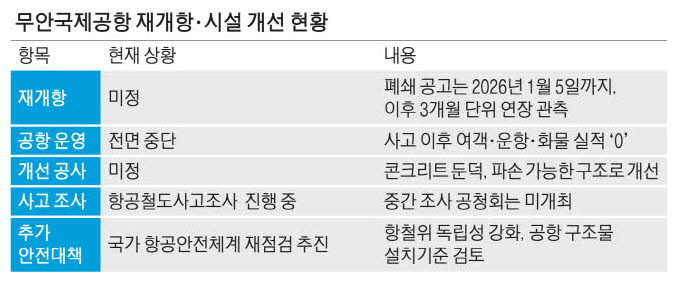
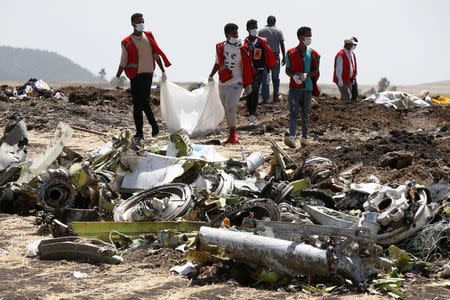
Muan International Airport in South Jeolla Province, which was suspended after the plane disaster on December 29 last year. News 1
Article Summary:
The article discusses the aftermath of the Muan International Airport disaster in South Jeolla Province, South Korea, which occurred on December 29 last year. The incident led to the suspension of the airport for a year, significantly impacting the local economy. The focus is on the ongoing efforts to overhaul the safety system and address the fallout from the accident. Additionally, the article touches on the broader travel industry trends and insights from thought leaders, highlighting the importance of safety systems and the potential impact on travel startups and fintech innovations.
Key Points:
Actionable Takeaways:
Enhanced Safety Systems in Travel: The article underscores the necessity for robust safety systems in the travel industry, especially after incidents like the Muan International Airport disaster. This takeaway is crucial for travel startups and airlines, as investing in advanced safety technologies can enhance public trust and safety, potentially leading to increased passenger confidence and business opportunities.
Economic Resilience in Tourism: The significant impact on the local economy due to the airport’s suspension highlights the vulnerability of tourism-dependent regions. For travel industry stakeholders, this points to the importance of diversifying economic bases and developing contingency plans to mitigate the impact of such disruptions. It also suggests opportunities for investment in alternative economic sectors to ensure regional resilience.
Innovation in Travel Tech: The focus on overhauling safety systems suggests a trend towards technological innovation in the travel sector. Travel startups and established companies should consider investing in or partnering with tech firms specializing in safety and security solutions. This not only addresses regulatory requirements but also positions companies at the forefront of industry advancements, potentially leading to competitive advantages.
Contextual Insights:
The Muan International Airport disaster is a stark reminder of the vulnerabilities within the travel industry, particularly concerning safety and economic dependencies. The article reflects current industry trends where safety and security are paramount, especially after high-profile incidents. It also highlights the growing importance of technological innovation, particularly in safety systems, as a key differentiator for travel companies. Furthermore, the article underscores the interconnectedness of local economies with tourism, suggesting that regions heavily reliant on tourism must develop diversified economic strategies to ensure resilience against such disruptions. Thought leaders in the travel industry are likely to emphasize these points, advocating for a proactive approach to safety, economic diversification, and technological innovation to navigate the evolving landscape of global travel.
Read the Complete Article.
Boutique Travel VC raises investment cap from $1.5M to $10M to lead rounds and support portfolio companies through growth Travel...
Read moreDetails



Comprehensive Summarization: The article from the Nepal Police's Central Investigation Bureau (CIB) reveals one of the largest insurance frauds in...
Read moreDetails
