





















Travel Capitalist Ventures Expands Check Size to $10 Million to Deepen Emerging Market Conviction
Boutique Travel VC raises investment cap from $1.5M to $10M to lead rounds and support portfolio companies through growth Travel...
Read moreDetails

In-Depth
Article Summary:
The article discusses the strong condemnation from the families of victims of the Jeju Air passenger plane disaster over the unilateral actions of the Aviation and Railway Accident Investigation Board (ARAIB). The board, under the jurisdiction of the Ministry of Land, Infrastructure and Transport, is conducting an on-site investigation at the localizer facility of Muan International Airport in Jeonnam. This incident highlights ongoing tensions and concerns regarding the transparency and procedural fairness in accident investigations within the travel industry.
Key Points:
Actionable Takeaways:
Contextual Insights:
The incident at Muan International Airport is emblematic of broader challenges facing the travel industry, particularly in terms of accountability and transparency in accident investigations. Recent trends indicate a growing demand for greater openness and collaboration among all stakeholders, including victims’ families, regulatory bodies, and industry operators. Thought leaders in the travel sector are advocating for the adoption of more inclusive and transparent processes to rebuild trust and ensure that investigations are conducted in a manner that is fair and unbiased.
Moreover, the integration of technology in accident investigations represents a significant opportunity for the travel industry to enhance its operational integrity and accountability. By embracing innovations such as AI-driven data analysis and real-time monitoring systems, industry players can not only improve the efficiency of investigations but also foster a culture of transparency and accountability. This aligns with the broader industry trend towards digital transformation and the adoption of advanced technologies to address emerging challenges and enhance customer trust.
In conclusion, the article underscores the critical need for enhanced transparency, regulatory oversight, and technological integration in accident investigations within the travel industry. By addressing these key areas, stakeholders can work towards building a more accountable and transparent industry that prioritizes the rights and concerns of all parties involved, particularly victims’ families.
Read the Complete Article.
Boutique Travel VC raises investment cap from $1.5M to $10M to lead rounds and support portfolio companies through growth Travel...
Read moreDetails



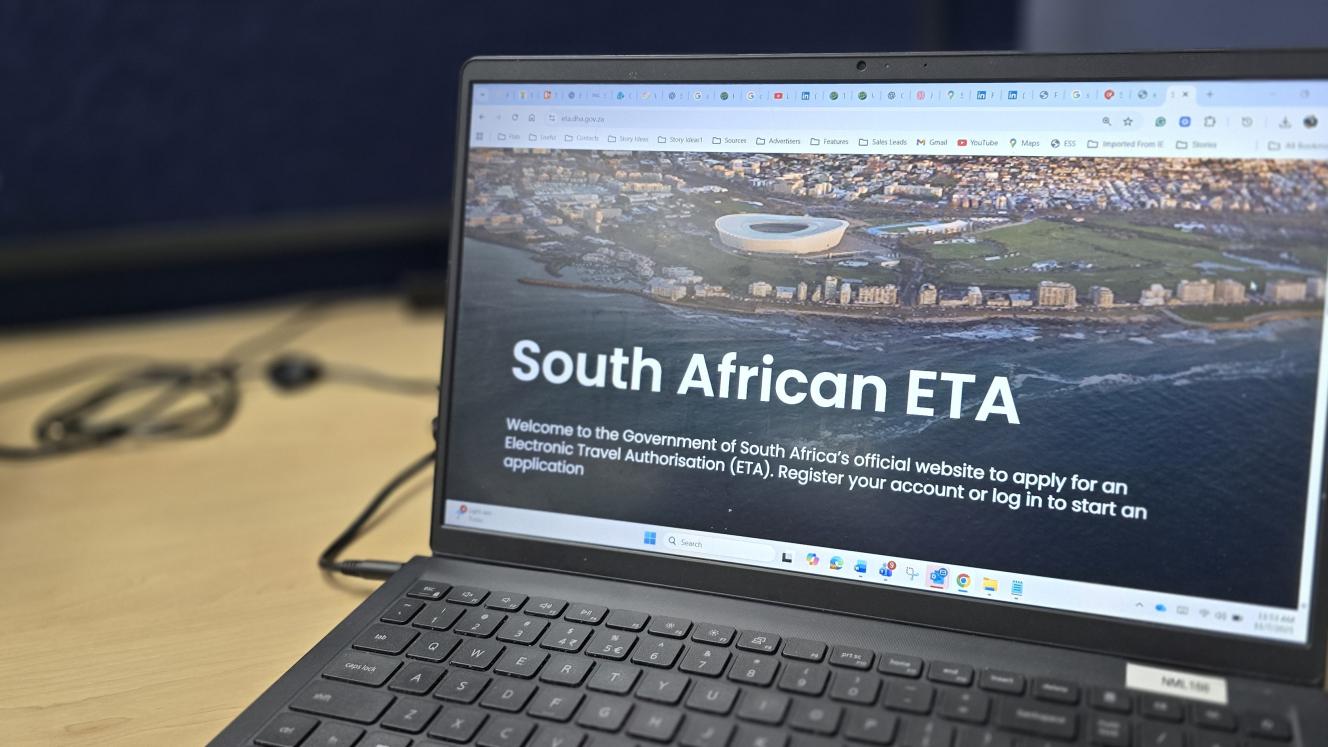
Comprehensive Summarization: The article discusses concerns within the tourism industry regarding the reliability of South Africa’s Electronic Travel Authorisation (ETA)...
Read moreDetails
