


















Travel Capitalist Ventures Expands Check Size to $10 Million to Deepen Emerging Market Conviction
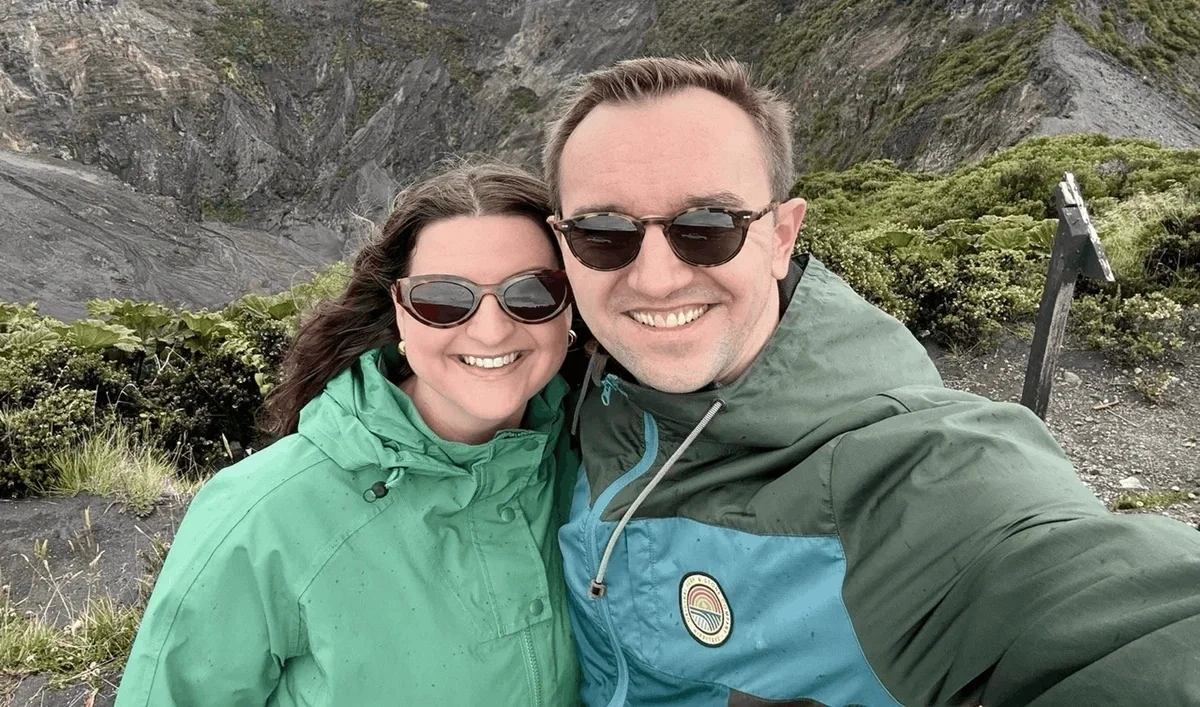
Boutique Travel VC raises investment cap from $1.5M to $10M to lead rounds and support portfolio companies through growth Travel...
Read moreDetails
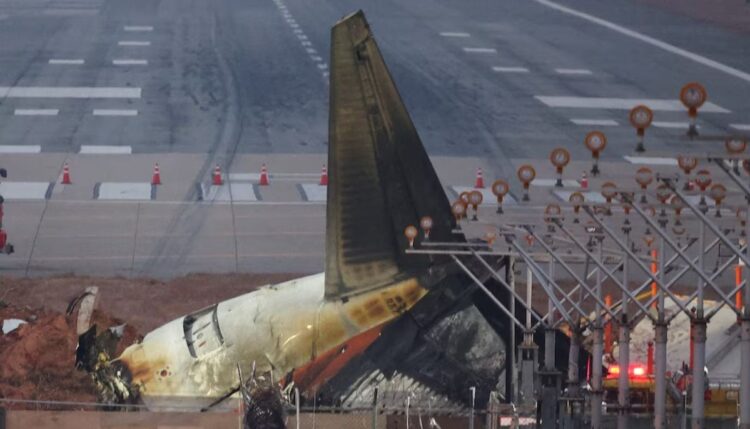
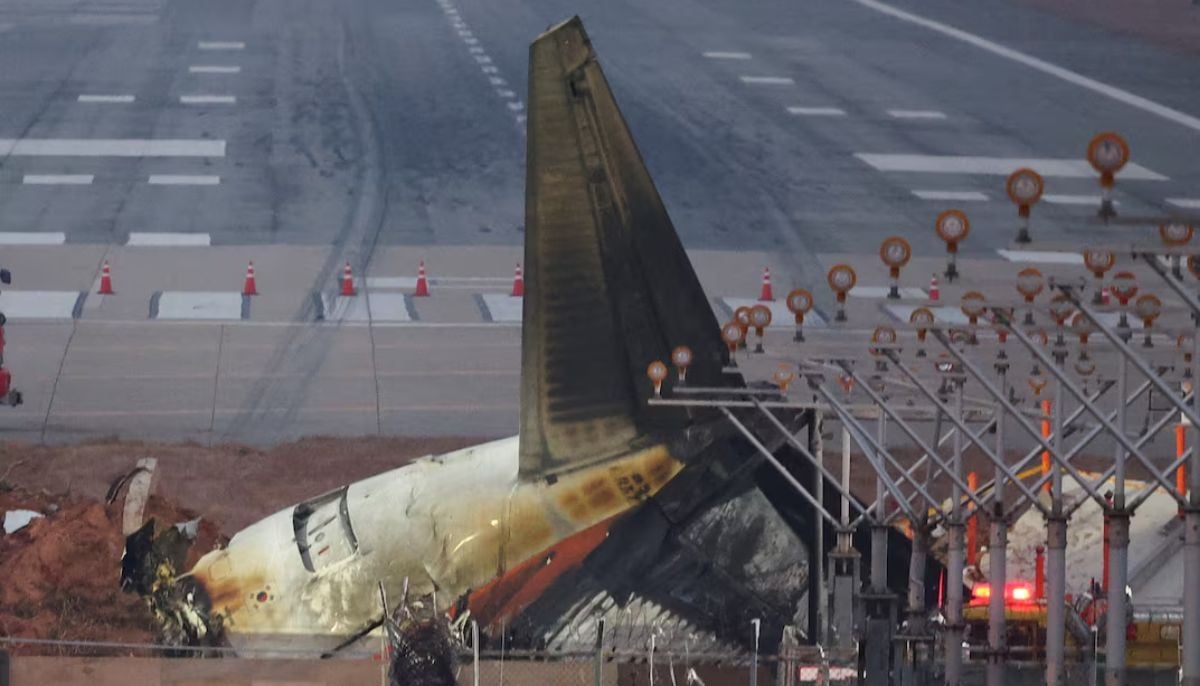
Tensions mount over Jeju Air crash as families demand new inquiry amid year-long delay
Article Summary:
The article discusses the escalating tensions surrounding the investigation into the Jeju Air crash that resulted in 179 fatalities. The South Korean investigation board is facing delays, leaving the families of the victims without answers. According to Reuters, the investigation board is not expected to release any findings in the near future, exacerbating the families’ plight for closure and justice.
Key Points:
Actionable Takeaways:
Contextual Insights:
The delay in the Jeju Air crash investigation is a stark reminder of the challenges faced in the aviation industry, particularly in ensuring safety and accountability. Recent trends indicate a growing emphasis on technological advancements to improve safety protocols and investigative processes. Innovations such as real-time data analytics, AI-driven accident analysis, and enhanced communication channels between investigators and families are becoming increasingly important. These advancements not only aim to expedite investigations but also to provide more comprehensive and accurate information to all stakeholders involved. As the travel industry continues to evolve, the integration of such technologies and support systems will be crucial in building trust and ensuring the safety of passengers worldwide.
Read the Complete Article.
Boutique Travel VC raises investment cap from $1.5M to $10M to lead rounds and support portfolio companies through growth Travel...
Read moreDetails



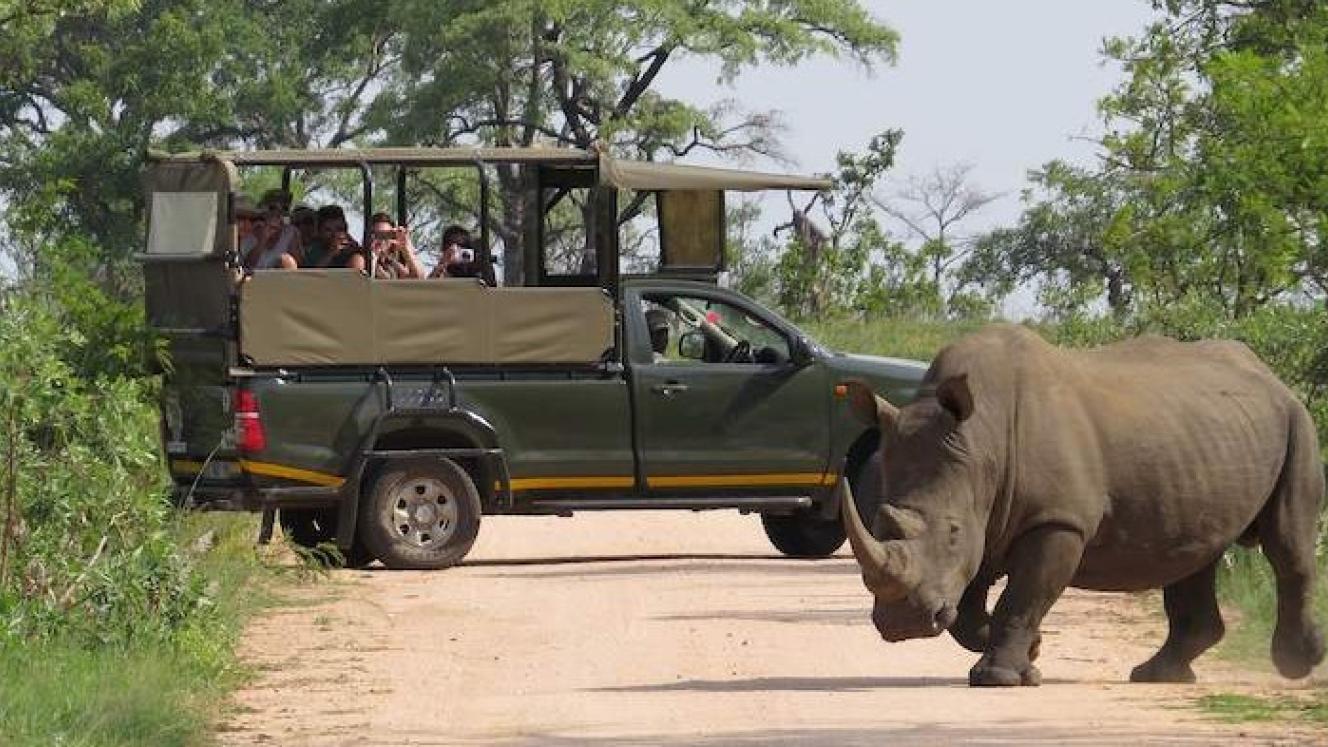
Comprehensive Summarization: The article reports that SANParks, the South African national parks authority, has implemented "fuel management measures" in several...
Read moreDetails
