Article Summary:
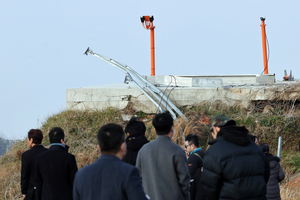
The Land Ministry has acknowledged for the first time that a critical navigation structure involved in the fatal Jeju Air crash at Muan International Airport in December 2024 did not meet safety standards. This admission reverses the ministry’s earlier stance, which held that the structure complied with safety regulations. The acknowledgment occurred more than a year after the accident that claimed the lives of 179 people, marking a significant shift in the official narrative surrounding the incident.
Key Points:
- The Land Ministry has finally acknowledged that a key navigation structure in the Jeju Air crash at Muan International Airport in December 2024 failed to meet safety standards.
- This admission reverses the ministry’s previous position, which had maintained that the structure complied with safety regulations.
- The acknowledgment came more than a year after the accident, which resulted in the deaths of 179 people, signaling a significant shift in the official narrative regarding the incident.
Actionable Takeaways:
- Enhanced Safety Oversight: The acknowledgment of the navigation structure’s safety failure underscores the need for enhanced safety oversight and regulatory scrutiny in the aviation industry. Travel companies and regulatory bodies should reassess their safety protocols and ensure compliance with international safety standards to prevent similar incidents in the future.
- Importance of Transparency: The shift in the ministry’s stance highlights the importance of transparency in addressing safety issues. Companies involved in aviation and travel should prioritize open communication regarding safety concerns and take proactive measures to rectify any shortcomings. This fosters trust among passengers and stakeholders and reinforces the industry’s commitment to safety.
Contextual Insights:
The acknowledgment of the navigation structure’s safety failure in the Jeju Air crash underscores the evolving landscape of travel safety and regulatory compliance. In recent years, the travel industry has witnessed a surge in technological advancements aimed at enhancing safety and operational efficiency. Innovations such as advanced navigation systems, real-time monitoring, and data analytics have become integral to modern aviation practices. The incident at Muan International Airport serves as a stark reminder of the critical role that technology plays in ensuring passenger safety.
Moreover, the incident highlights the growing emphasis on regulatory transparency and accountability within the travel sector. As the industry continues to evolve, stakeholders must prioritize open communication and proactive measures to address safety concerns. This includes leveraging technology to enhance safety protocols, conducting thorough investigations into incidents, and implementing stringent safety standards to mitigate risks.
In the context of emerging travel trends, the incident at Muan International Airport underscores the importance of integrating cutting-edge technologies to enhance safety and operational efficiency. Startups and established companies in the travel sector are increasingly focusing on developing innovative solutions such as AI-driven predictive analytics, automated safety systems, and enhanced passenger communication platforms. These innovations not only improve safety outcomes but also enhance the overall travel experience for passengers.
In conclusion, the acknowledgment of the navigation structure’s safety failure in the Jeju Air crash marks a pivotal moment in the travel industry’s journey towards greater safety and accountability. By embracing transparency, leveraging technology, and prioritizing regulatory compliance, the industry can mitigate risks, enhance passenger safety, and drive sustainable growth in the years to come.
Read the Complete Article.