

















Travel Capitalist Ventures Expands Check Size to $10 Million to Deepen Emerging Market Conviction
Boutique Travel VC raises investment cap from $1.5M to $10M to lead rounds and support portfolio companies through growth Travel...
Read moreDetails
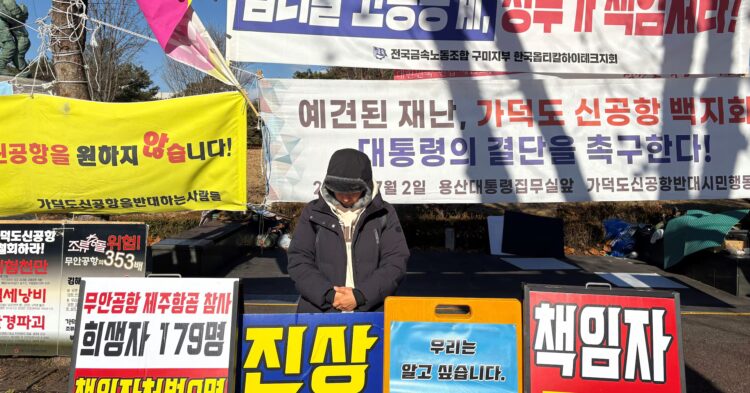
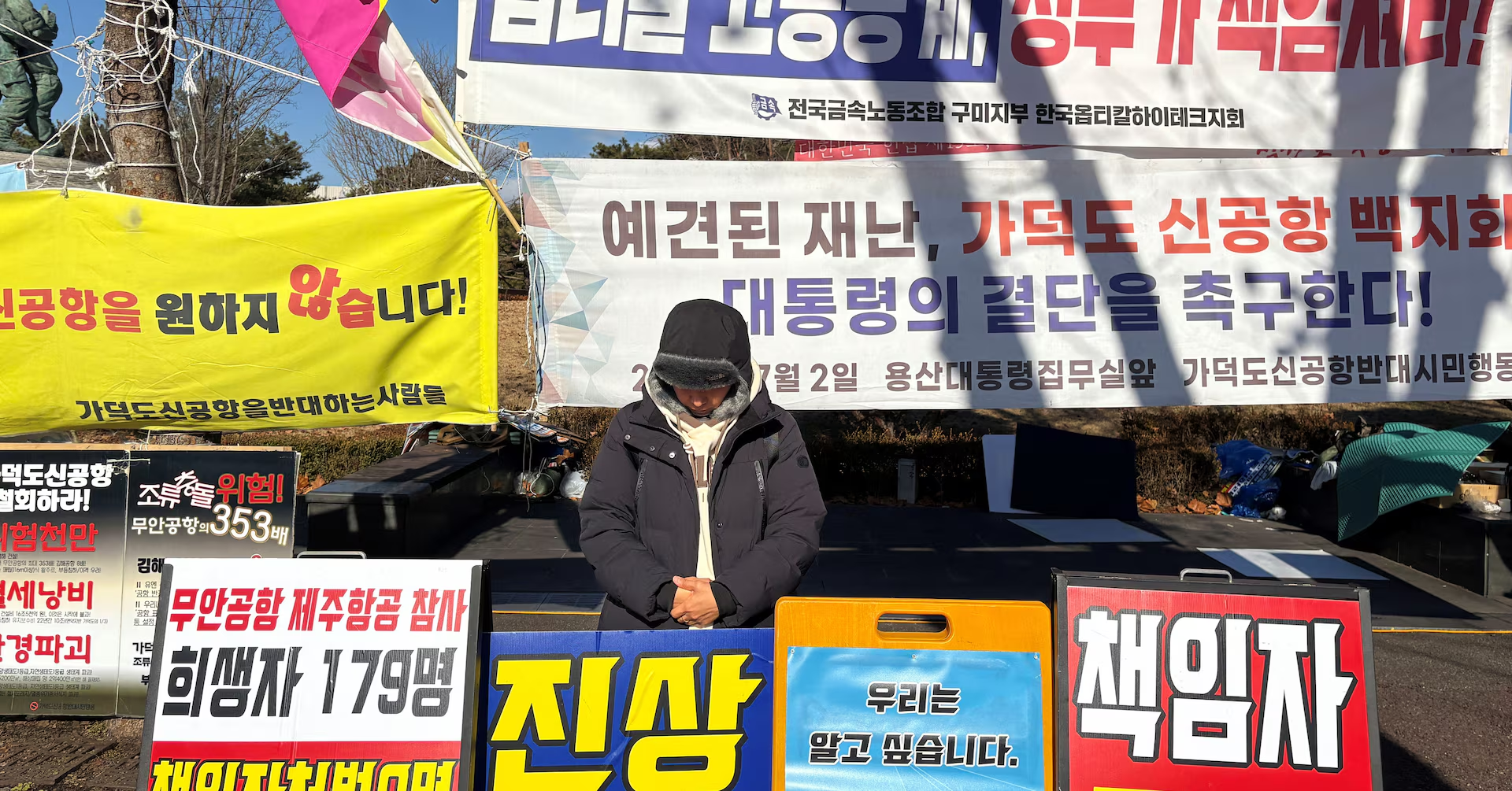
A year on, Jeju Air crash report delayed as families question probe's credibility
Article Summary:
The article reports on a severe air accident that occurred last year at Muan Airport in South Korea, which is considered the worst air accident on South Korean soil, resulting in the death of 179 people. The investigation into this crash is set to miss its one-year deadline for releasing a progress report, causing frustration among the families of the victims. The families are demanding an independent probe and expressing dissatisfaction with the government’s handling of the situation. Additionally, an anti-corruption body has found that a concrete berm at Muan Airport violated safety standards.
Key Points:
Actionable Takeaways:
Contextual Insights:
The article reflects ongoing challenges in the aviation sector, particularly concerning safety and accountability. Recent trends indicate a growing emphasis on safety audits and regulatory compliance within the travel industry. Thought leaders emphasize the importance of leveraging technology for real-time monitoring and predictive maintenance to enhance safety. The incident at Muan Airport serves as a stark reminder of the potential consequences of neglecting safety standards and the need for continuous improvement in aviation infrastructure. Moving forward, the industry should focus on adopting advanced technologies and fostering a culture of safety to prevent such tragedies and maintain public trust.
Read the Complete Article.
Boutique Travel VC raises investment cap from $1.5M to $10M to lead rounds and support portfolio companies through growth Travel...
Read moreDetails



Comprehensive Summarization: The article from the Nepal Police's Central Investigation Bureau (CIB) reveals one of the largest insurance frauds in...
Read moreDetails
