















Travel Capitalist Ventures Expands Check Size to $10 Million to Deepen Emerging Market Conviction
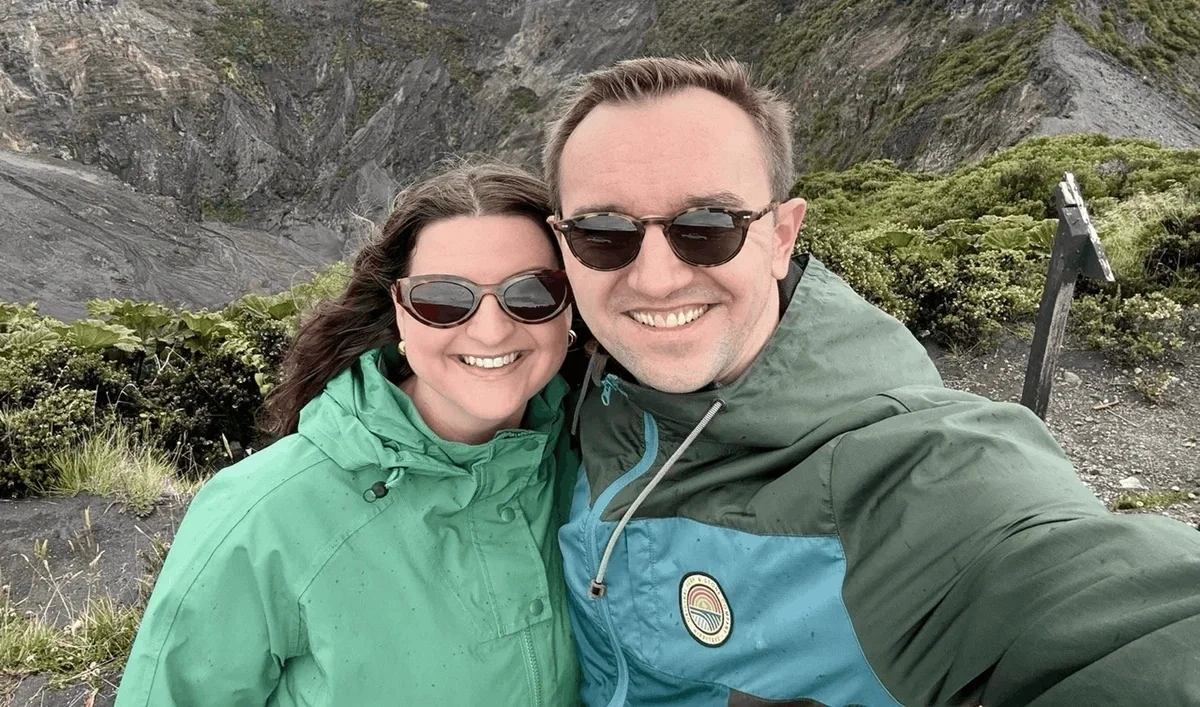
Boutique Travel VC raises investment cap from $1.5M to $10M to lead rounds and support portfolio companies through growth Travel...
Read moreDetails
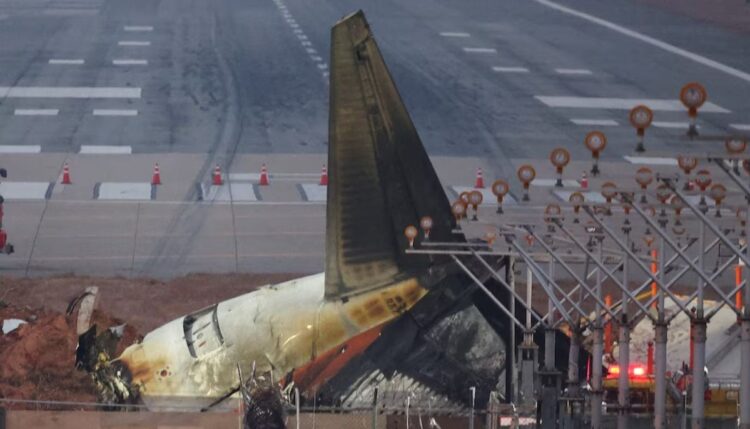
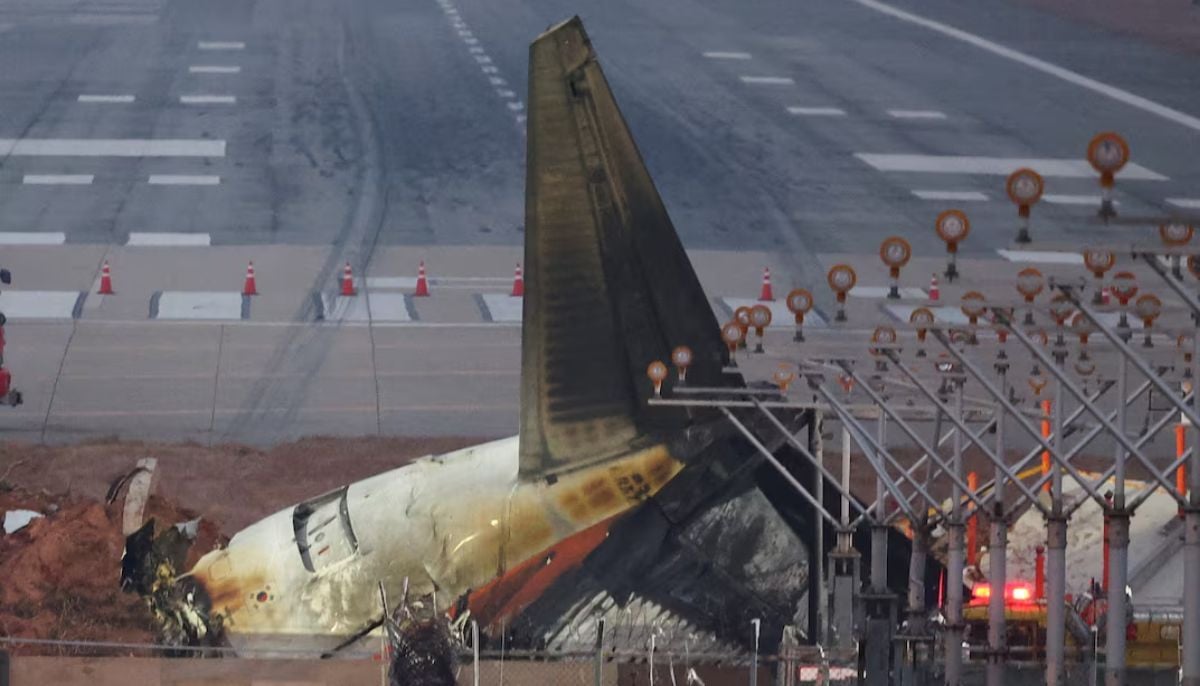
Tensions mount over Jeju Air crash as families demand new inquiry amid year-long delay
Article Summary:
The article discusses the escalating tensions surrounding the investigation into the Jeju Air crash that resulted in the deaths of 179 people. The South Korean investigation board is facing delays, leaving the victims’ families without answers. According to Reuters, the investigation board is not expected to release any findings in the near future, exacerbating the families’ plight.
Key Points:
Actionable Takeaways:
Contextual Insights:
The delay in the Jeju Air crash investigation highlights broader challenges within the travel industry, particularly concerning safety, transparency, and support for affected families. Recent trends indicate a growing emphasis on technological solutions to enhance safety and accountability, such as real-time data sharing and advanced analytics. Thought leaders in the travel sector are increasingly advocating for the integration of these technologies to prevent future tragedies and improve the overall safety of air travel. Additionally, there is a growing recognition of the importance of mental health support for victims’ families, reflecting a shift towards more holistic approaches to crisis management in the travel industry.
Read the Complete Article.
Boutique Travel VC raises investment cap from $1.5M to $10M to lead rounds and support portfolio companies through growth Travel...
Read moreDetails



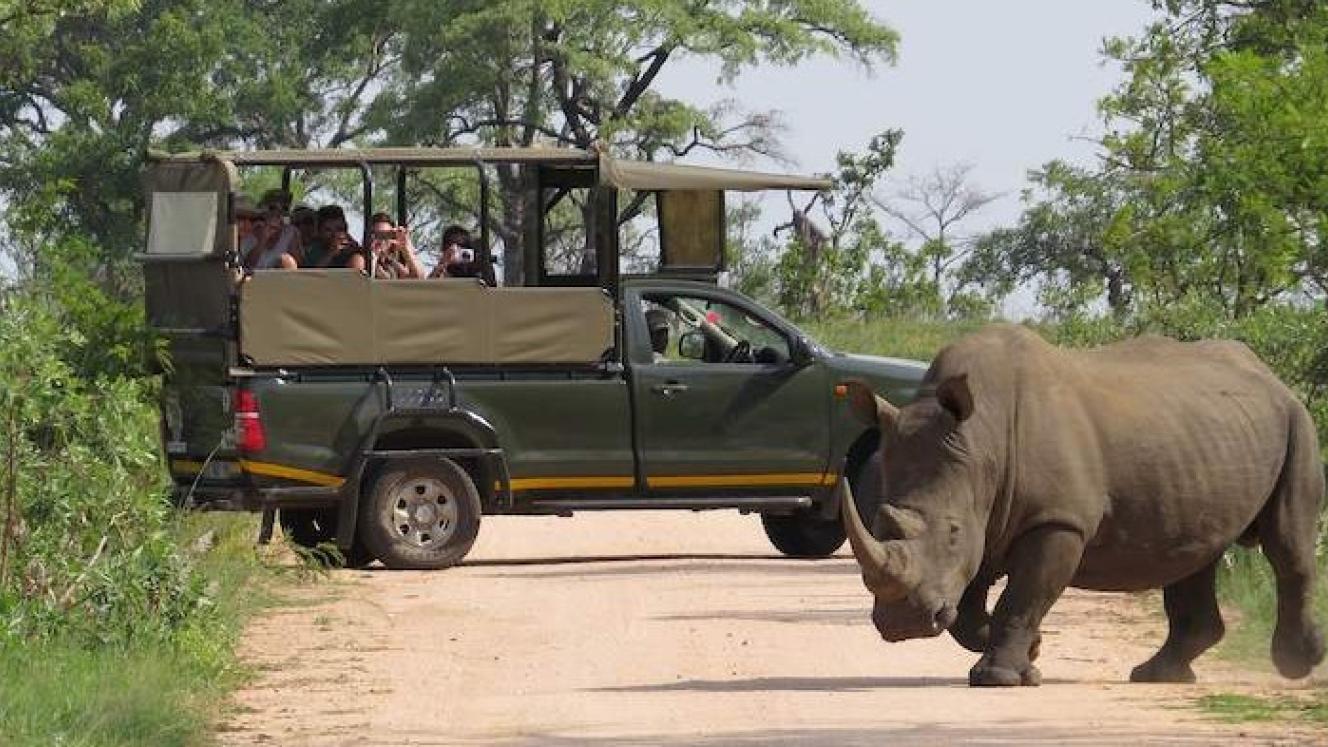
Comprehensive Summarization: The article reports that SANParks, the South African national parks authority, has implemented "fuel management measures" in several...
Read moreDetails
