







No products in the cart.
- Latest
- Trending

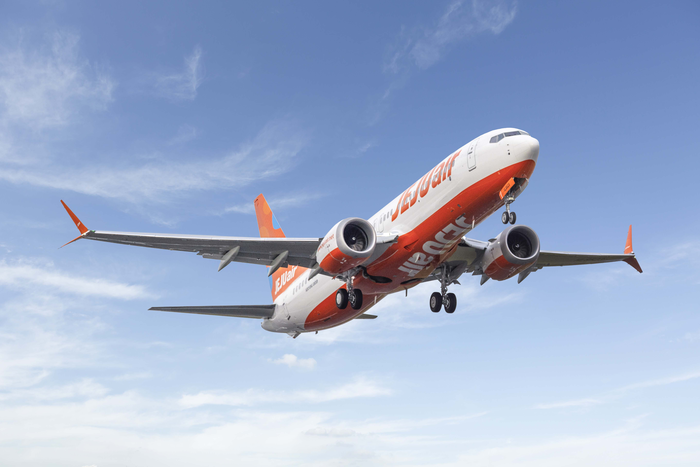
Jeju Air aircraft
Comprehensive Summarization:
Jeju Air, a prominent low-cost carrier (LCC), has announced plans to cut 110 flights in May and June, primarily on routes including Hanoi and Bangkok. This decision is primarily driven by a significant surge in fuel prices originating from the Middle East, which has led to a wave of “survival-driven” capacity cuts across the airline industry. The article highlights the challenges faced by airlines in maintaining profitability amidst rising operational costs, signaling potential disruptions and shutdowns in the sector. The focus on fuel price impacts underscores the vulnerability of airlines to external economic factors and the need for strategic adjustments in response to such shocks.
Key Points:
Actionable Takeaways:
Strategic Cost Management: Airlines should prioritize strategic cost management, particularly in fuel procurement and route optimization, to mitigate the impact of volatile fuel prices. This involves negotiating better fuel contracts and exploring alternative routes or aircraft types that offer better fuel efficiency.
Diversification of Routes: To reduce dependency on high-cost routes, airlines should consider diversifying their route networks. This could involve identifying new markets with lower operational costs or focusing on high-demand routes that offer better profitability margins.
Investment in Fuel-Efficient Technologies: Investing in fuel-efficient aircraft and technologies can help airlines reduce their operational costs in the long run. This includes upgrading to newer, more fuel-efficient aircraft models and exploring alternative fuels or hybrid propulsion systems.
Contextual Insights:
The article’s focus on fuel price impacts and subsequent capacity cuts highlights the broader challenges faced by the airline industry in maintaining profitability amidst rising operational costs. The Middle East fuel price shock serves as a stark reminder of the sector’s sensitivity to external economic factors. This context is crucial for understanding the urgency of strategic adjustments in the industry. Furthermore, the article aligns with recent travel trends indicating a shift towards cost-conscious travel, where airlines are under pressure to offer competitive pricing while maintaining service quality. Thought leaders in the travel sector are increasingly advocating for innovative solutions, such as dynamic pricing models and enhanced customer loyalty programs, to navigate these challenges. The potential impact on travel startups and fintech innovations is significant, as the industry moves towards more agile and technology-driven solutions to address operational inefficiencies and enhance customer experiences.
Read the Complete Article.
Get curated travel AI insights — choose the newsletters that matter to you.
ALTOUR Expands into Thailand, Strengthening Corporate Travel Network Across Southeast Asia BANGKOK, THAILAND (25 March, 2026) – ALTOUR, a leading...
Read moreDetails


Comprehensive Summarization: The article reports significant travel disruptions at Nashville International Airport (BNA) on a specific day, with 103 delays...
Read moreDetails