














Travel Capitalist Ventures Expands Check Size to $10 Million to Deepen Emerging Market Conviction
Boutique Travel VC raises investment cap from $1.5M to $10M to lead rounds and support portfolio companies through growth Travel...
Read moreDetails
In-Depth
Article Summary:
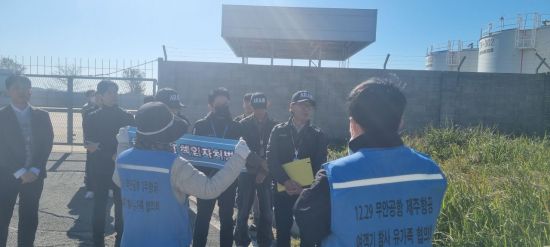
The article discusses the suspension of the reinvestigation into the December 29 Jeju Air passenger plane disaster. This decision was made due to opposition from the families of the victims, who opposed filming during the proceedings. The Families’ Council of the December 29 Jeju Air Passenger Plane Disaster is currently confronting the Aviation and Railway Accident Investigation Board over this issue.
Key Points:
Actionable Takeaways:
Contextual Insights:
The suspension of the reinvestigation in the Jeju Air disaster case underscores the complex interplay between legal processes, public sentiment, and investigative integrity. In the travel industry, such incidents can have broader implications, particularly in terms of public trust and regulatory oversight. The case serves as a reminder of the importance of balancing the need for transparency with the emotional and legal rights of the victims’ families. For travel startups and fintech innovations, this case highlights the necessity of navigating legal complexities and maintaining ethical standards to build and sustain public confidence. The evolving landscape of travel technology and regulations will continue to be shaped by such high-profile cases, emphasizing the need for adaptive and responsive industry practices.
Read the Complete Article.
Boutique Travel VC raises investment cap from $1.5M to $10M to lead rounds and support portfolio companies through growth Travel...
Read moreDetails



Given the constraints of the task and the lack of a specific article content to analyze, I'll provide a structured...
Read moreDetails
