Comprehensive Summarization:
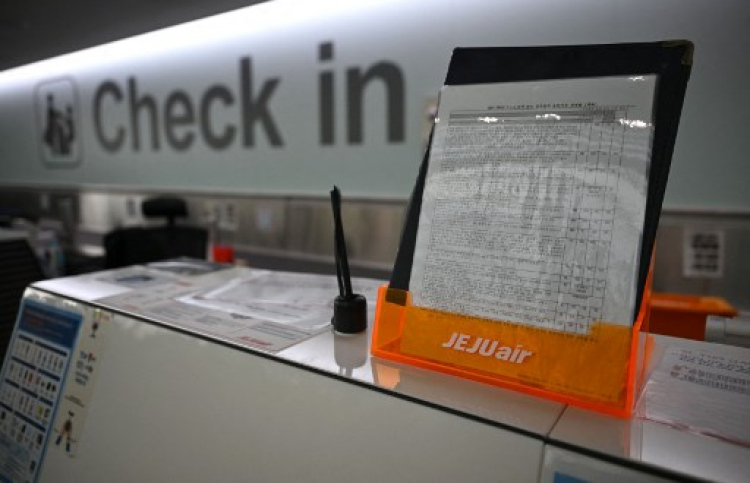
Jeju Air experienced a significant incident on Monday when a flight from Seoul to Jeju island was forced to return due to a landing gear problem. This event occurred a day after South Korea’s most deadly plane crash, which claimed 179 lives. The Boeing 737-800 involved in the latest incident was the same model as the plane that crashed previously. Jeju Air Flight 7C101, which departed Gimpo International Airport at around 6:37 am, returned to Gimpo at 7:25 am. This incident highlights the critical importance of landing gear functionality in aviation safety and the potential impact on passenger confidence and airline operations.
Key Points:
- Jeju Air flight from Seoul to Jeju island was forced to return due to a landing gear problem.
- The incident occurred a day after South Korea’s most deadly plane crash, which killed 179 people.
- The Boeing 737-800 involved in the latest incident was the same model as the plane that crashed previously.
- Jeju Air Flight 7C101 departed Gimpo International Airport at around 6:37 am and returned at 7:25 am.
Actionable Takeaways:
-
Enhanced Landing Gear Inspection Protocols: Given the recent incident involving the same model of aircraft, airlines should consider implementing more rigorous and frequent inspections of landing gear systems. This proactive measure can help prevent similar incidents and ensure passenger safety. The relevance of this takeaway lies in its direct impact on aviation safety standards and operational reliability, which are critical for maintaining trust and safety in the travel industry.
-
Focus on Safety Communication: Airlines should enhance their communication strategies regarding safety incidents. Transparent and timely communication about incidents, investigations, and corrective actions can help rebuild passenger confidence. This takeaway is relevant as it addresses the psychological aspect of travel safety, which is crucial for maintaining passenger trust and loyalty.
Contextual Insights:
The recent incident involving Jeju Air underscores the ongoing challenges in aviation safety, particularly with the Boeing 737-800 model, which has seen multiple incidents in recent years. This context is crucial for understanding the broader implications for the travel industry, especially concerning aircraft safety standards and regulatory compliance. The latest travel trends indicate a growing emphasis on safety and reliability, with travelers increasingly prioritizing these factors when choosing travel options. Thought leaders in the travel industry emphasize that safety innovations and transparent communication are key to rebuilding consumer confidence post-incident. This forward-looking perspective highlights the need for the travel industry to continuously invest in safety technologies and maintain open lines of communication with passengers to foster trust and loyalty.
Read the Complete Article.