Comprehensive Summarization:
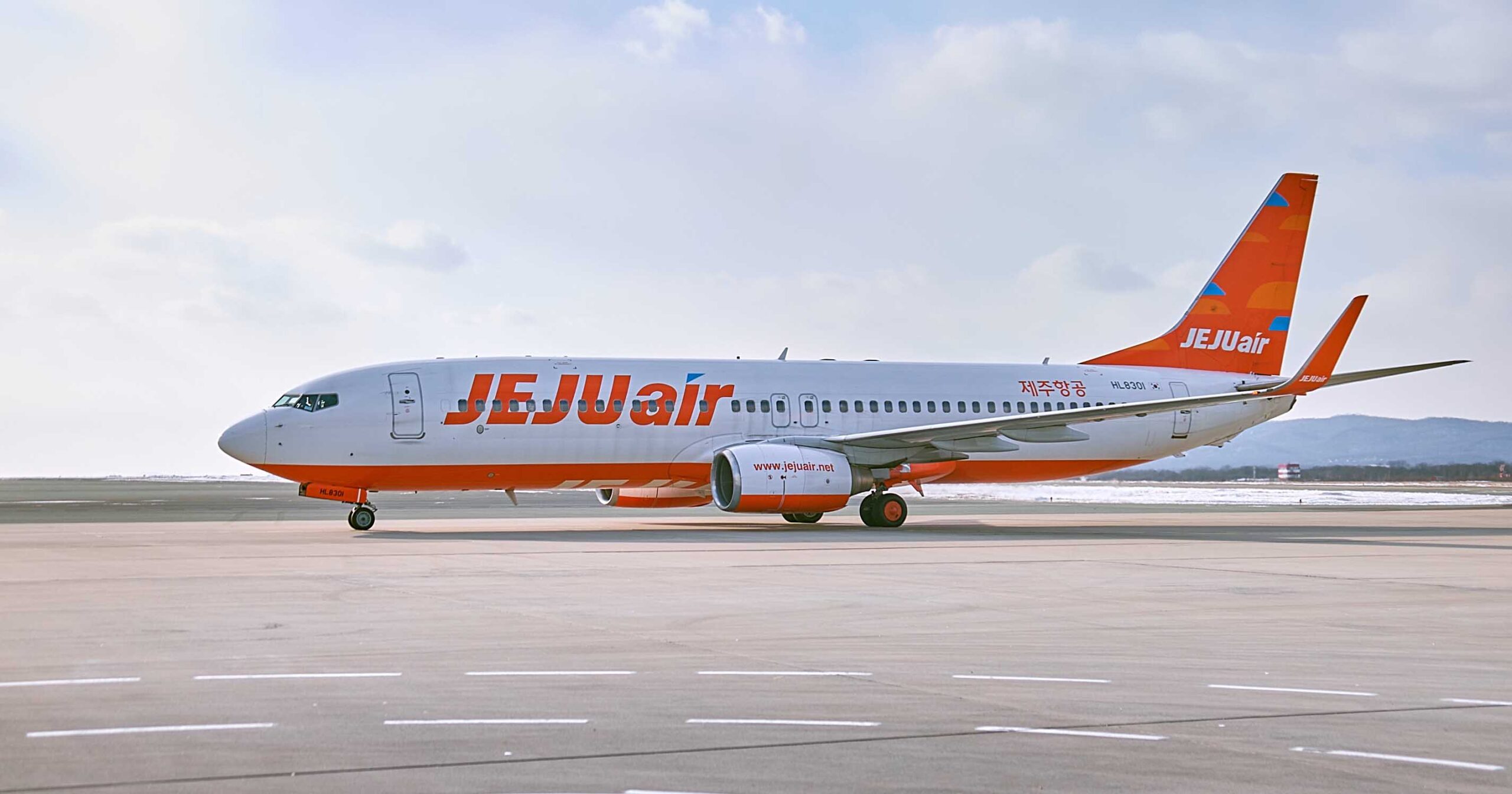
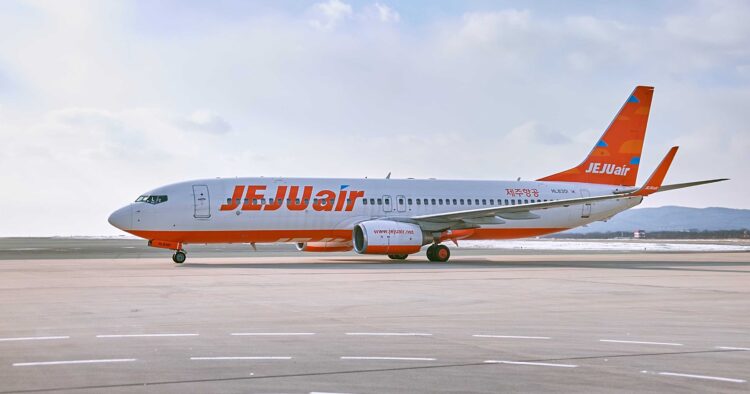
The article discusses a significant sale by Jeju Air, one of Korea’s leading airlines, offering one-way tickets to Korea at an exceptionally low price of $43, or approximately P2,544. This sale is part of Jeju Air’s biggest sale of the year, aimed at making travel to Korea more accessible and affordable for a broader audience. The article highlights the potential savings for travelers, emphasizing that what was once considered a distant destination can now be reached for a fraction of the usual cost. This development is particularly noteworthy in the context of current travel trends, where cost-efficiency and accessibility are becoming increasingly important factors for consumers.
Key Points:
- Jeju Air is running its biggest sale of the year, offering one-way tickets to Korea at a price as low as $43.
- This sale represents a significant reduction in travel costs, making Korea more accessible to a wider range of travelers.
- The article underscores the importance of cost-efficiency and affordability in travel, reflecting current industry trends.
Actionable Takeaways:
-
Takeaway 1: Travelers can now plan trips to Korea with significantly reduced costs, thanks to Jeju Air’s promotional sale. This could lead to an increase in tourist arrivals and boost the local economy, as more people are likely to consider visiting Korea for leisure or business purposes.
-
Takeaway 2: The sale highlights a broader trend in the travel industry towards offering competitive pricing to attract more customers. Airlines and travel service providers are increasingly focusing on cost-efficiency and affordability to remain competitive in a market where consumers are price-sensitive.
Contextual Insights:
The article’s focus on Jeju Air’s sale aligns with current travel industry trends that emphasize accessibility and affordability. As global travel resumes and post-pandemic travel patterns evolve, consumers are increasingly looking for ways to make their trips more budget-friendly. This shift is driven by several factors, including economic considerations, the desire for more affordable leisure options, and the impact of inflation on travel budgets. The sale by Jeju Air not only provides immediate relief to travelers seeking to visit Korea but also sets a precedent for other airlines to consider similar pricing strategies. This could lead to a more competitive market, where airlines continuously innovate to offer better value to consumers.
Moreover, the article’s context is enriched by the broader insights from thought leaders in the travel industry, who emphasize the importance of leveraging technology and strategic pricing to enhance customer experience. Innovations in travel tech, such as dynamic pricing models and personalized travel packages, are becoming essential tools for airlines to attract and retain customers. The sale by Jeju Air exemplifies how such strategies can be effectively implemented to meet market demands and drive growth. As the travel industry continues to adapt to post-pandemic realities, such initiatives will play a crucial role in shaping future travel trends and consumer behavior.
Read the Complete Article.