Comprehensive Summarization:
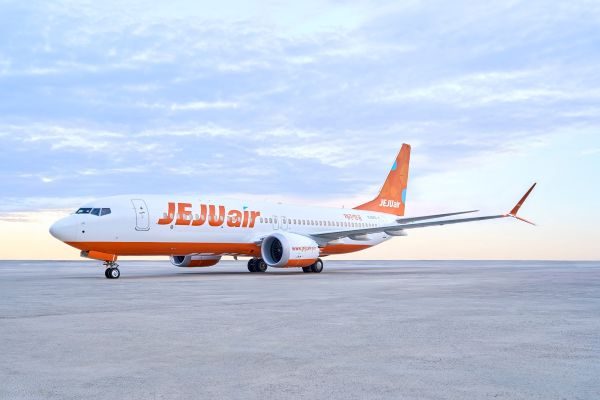
Jeju Air has purchased and introduced the Boeing 737-8, a next-generation aircraft, marking a significant step in their fleet modernization. This development is part of a broader trend in the travel industry where airlines are investing in newer, more efficient aircraft to enhance operational capabilities and passenger experience. The introduction of the B737-8 has expanded Jeju Air’s fleet of next-generation aircraft to 21% of their total passenger planes, with the proportion of buyers also increasing to 35%. This move underscores the airline’s commitment to leveraging technological advancements to improve service quality and operational efficiency.
Key Points:
- Jeju Air has acquired and introduced the Boeing 737-8, a next-generation aircraft, on the 5th.
- The newly introduced aircraft will commence operations after receiving certification of airworthiness from relevant authorities.
- The introduction of the B737-8 has increased Jeju Air’s fleet of next-generation aircraft to 21% of their total passenger planes.
- The proportion of buyers for Jeju Air’s next-generation aircraft has risen to 35%.
- The article includes an advertisement, indicating the integration of digital marketing within the travel sector.
Actionable Takeaways:
-
Investment in Next-Generation Aircraft: Jeju Air’s acquisition of the Boeing 737-8 demonstrates a strategic investment in modernizing their fleet. This move is crucial for airlines aiming to improve fuel efficiency, reduce operational costs, and enhance passenger comfort. For other airlines, this serves as a benchmark for prioritizing fleet upgrades to stay competitive in the evolving travel landscape.
-
Market Share Expansion: The increase in the proportion of next-generation aircraft in Jeju Air’s fleet, from 21% to potentially higher percentages, indicates a growing trend among airlines to expand their fleet with newer models. This trend suggests that airlines are recognizing the long-term benefits of investing in newer aircraft, which can lead to increased market share and improved service quality.
Contextual Insights:
The introduction of the Boeing 737-8 by Jeju Air is reflective of the broader industry trend towards modernizing fleets with more efficient and technologically advanced aircraft. This trend is driven by the need for airlines to reduce operational costs, comply with environmental regulations, and enhance passenger experience. The article’s context also highlights the increasing importance of digital marketing, as evidenced by the inclusion of an advertisement within the article. This integration of digital marketing strategies is becoming increasingly common in the travel industry, as airlines seek to reach and engage with their target audiences more effectively.
In terms of forward-looking perspectives, the focus on next-generation aircraft and digital marketing strategies suggests that the travel industry is moving towards a more technology-driven future. Airlines that successfully adapt to these trends by investing in modern fleets and leveraging digital marketing will likely gain a competitive edge. Furthermore, the increasing proportion of buyers for next-generation aircraft indicates a positive market response to these advancements, which could encourage further innovation and investment in this area.
Read the Complete Article.