





No products in the cart.
- Latest
- Trending

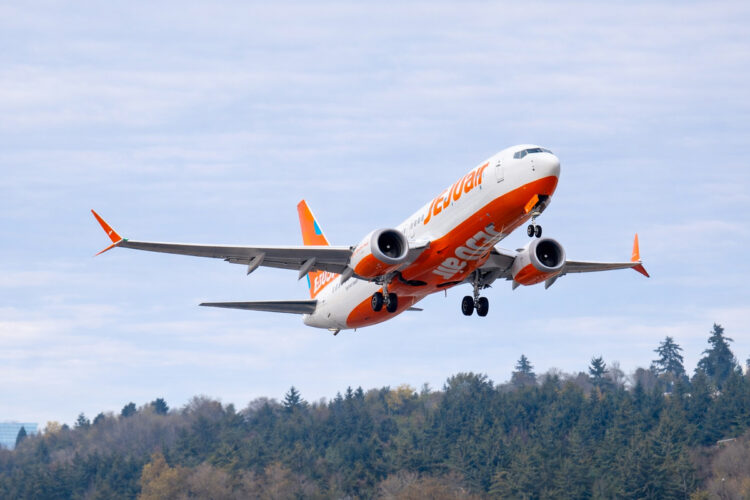
Jeju Air Tops LCC Passenger Rankings Despite High Exchange Rates
Comprehensive Summarization:
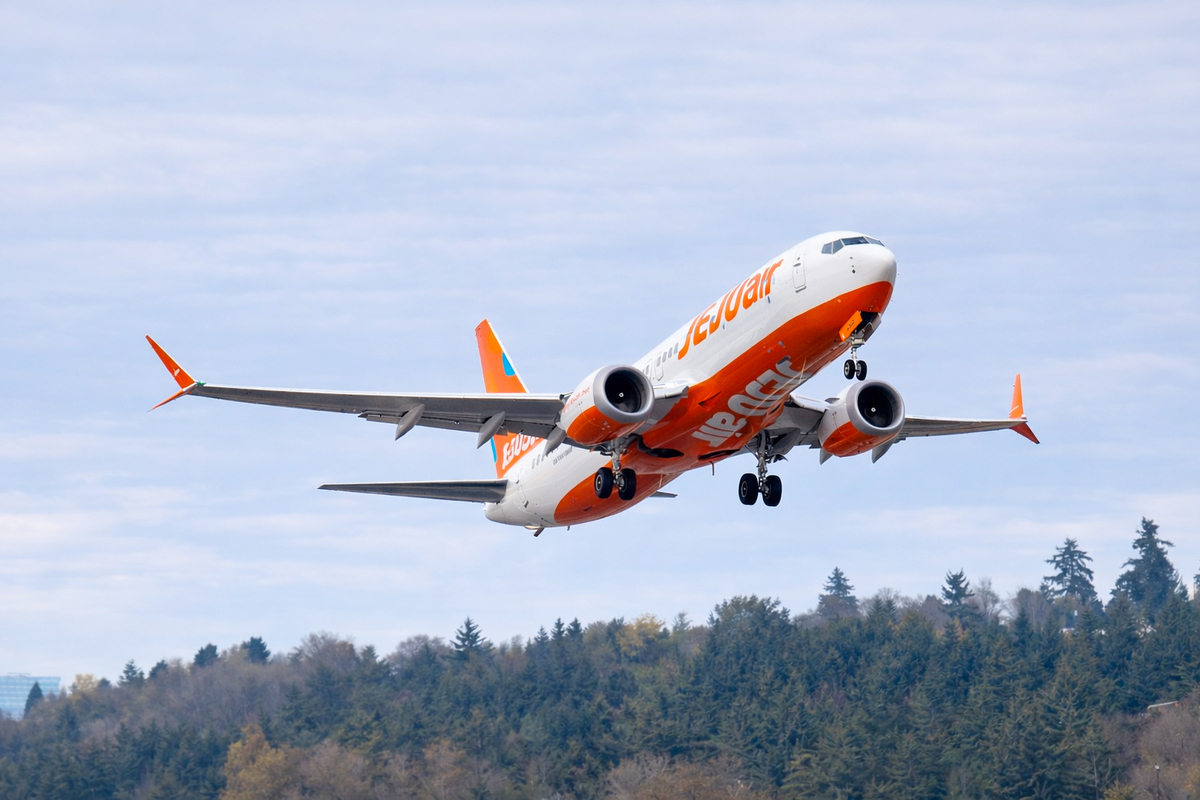
Jeju Air, South Korea’s leading low-cost carrier, has reported carrying the highest number of passengers among the country’s budget airlines in January and February 2026, with a total of 2,244,191 passengers over the two months. This achievement comes as the airline focuses on profitability-driven management strategies. According to the Ministry of Land, Infrastructure and Transport’s aviation information portal system, Jeju Air transported 1,176,532 passengers in January and 1,067,659 in February, highlighting its strong performance in the competitive low-cost carrier market despite high exchange rates.
Key Points:
Actionable Takeaways:
Focus on Cost Efficiency: Jeju Air’s success underscores the importance of cost efficiency in the low-cost carrier sector. Airlines should prioritize operational efficiencies and strategic pricing to remain competitive, especially in markets affected by high exchange rates.
Profitability-Driven Management: The airline’s emphasis on profitability-driven management suggests that financial sustainability should be a core focus for budget airlines. This approach can help maintain market leadership and ensure long-term growth, even in challenging economic conditions.
Contextual Insights:
Jeju Air’s performance in January and February 2026 reflects broader trends in the travel industry, where budget airlines are increasingly focusing on profitability to sustain growth amid economic uncertainties. The airline’s ability to transport the highest number of passengers despite high exchange rates highlights the resilience and adaptability of low-cost carriers in the face of global economic challenges. This trend is likely to influence other airlines and startups in the travel sector to adopt similar cost-efficient strategies, potentially leading to increased competition and innovation in the industry. Furthermore, the focus on profitability-driven management aligns with current industry trends, where financial sustainability is becoming a key differentiator for airlines aiming to thrive in a competitive market.
Read the Complete Article.
Get curated travel AI insights — choose the newsletters that matter to you.
ALTOUR Expands into Thailand, Strengthening Corporate Travel Network Across Southeast Asia BANGKOK, THAILAND (25 March, 2026) – ALTOUR, a leading...
Read moreDetails


Comprehensive Summarization: Jeju Air, South Korea's leading low-cost carrier, has reported carrying the highest number of passengers among the country's...
Read moreDetails