










No products in the cart.
- Latest
- Trending

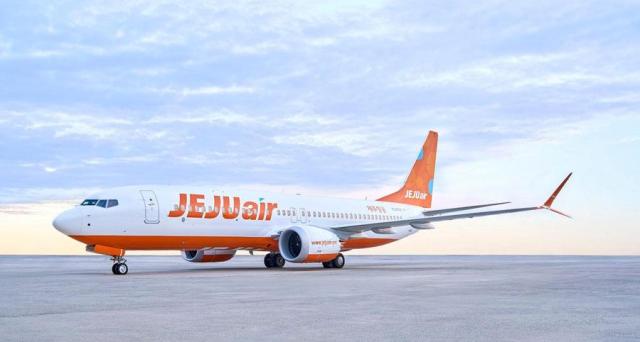
Courtesy of Jeju Air
Comprehensive Summarization:
Jeju Air, South Korea’s short-haul carrier, has carried over 60 million passengers as it commemorates the 17th anniversary of launching its international routes. Established as the first South Korean budget carrier to introduce international services, Jeju Air began with flights between Incheon and Osaka in March 2009. Starting from approximately 159,000 passengers in its inaugural year, the airline has steadily expanded, reaching a significant milestone of serving more than 1 million passengers. This article highlights the carrier’s growth trajectory, its pioneering role in international budget travel, and its continued expansion within the travel industry.
Key Points:
Actionable Takeaways:
Expansion and Market Penetration: Jeju Air’s growth from 159,000 to over 60 million passengers in 17 years demonstrates the viability and demand for budget international travel. This trend suggests that airlines focusing on cost-effective international routes can capture a significant market share, particularly in regions with high tourism demand.
Pioneering Role in Budget International Travel: As the first South Korean budget carrier to launch international services, Jeju Air has set a precedent for other airlines in the region. This pioneering role highlights the potential for budget carriers to disrupt traditional travel markets by offering competitive pricing and flexible travel options, thereby influencing industry standards and consumer expectations.
Contextual Insights:
The article’s context is rooted in the ongoing evolution of the travel industry, particularly the rise of budget airlines and the increasing demand for affordable international travel. Recent trends indicate a shift towards more accessible travel options, driven by technological advancements and changing consumer preferences. Thought leaders in the travel sector emphasize the importance of innovation and adaptability in navigating market dynamics. Jeju Air’s success underscores the potential for startups and established airlines alike to leverage technology and strategic partnerships to expand their reach and capture market share. As the industry continues to evolve, the focus on cost-effective, customer-centric travel solutions will likely remain a key driver of growth and competitiveness.
Read the Complete Article.
Get curated travel AI insights — choose the newsletters that matter to you.
This spot is reserved for brands with a compelling story for the travel trade. They use this space to cut...
Read moreDetailsALTOUR Expands into Thailand, Strengthening Corporate Travel Network Across Southeast Asia BANGKOK, THAILAND (25 March, 2026) – ALTOUR, a leading...
Read moreDetails


Comprehensive Summarization: Jeju Air, South Korea's short-haul carrier, has carried over 60 million passengers as it commemorates the 17th anniversary...
Read moreDetails