



















Travel Capitalist Ventures Expands Check Size to $10 Million to Deepen Emerging Market Conviction
Boutique Travel VC raises investment cap from $1.5M to $10M to lead rounds and support portfolio companies through growth Travel...
Read moreDetails
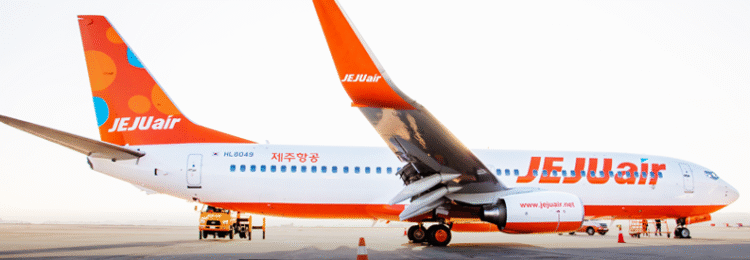
S Korea's Jeju Air reallocates engines of stored B737Fs
Article Summary:
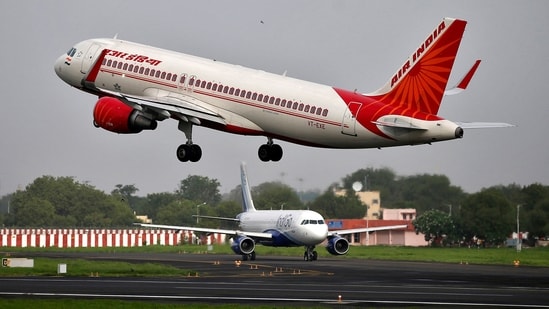
Jeju Air, a South Korean low-cost carrier (LCC), has transferred the engines from its two stored Boeing 737-800 (BCF) aircraft to its passenger Boeing 737-800 aircraft. This move was confirmed by The Economist Korea newspaper and Jeju Air itself, stating that the engines could be reinstalled if needed. Both aircraft variants are powered by CFM International CFM56 engines. The decision was made because Jeju Air is not currently operating cargo aircraft and does not need to keep the engines stored.
Key Points:
Actionable Takeaways:
Contextual Insights:
Jeju Air’s decision to transfer engines from stored B737-800(BCF) to passenger B737-800 aircraft reflects a broader trend in the aviation industry towards optimizing engine utilization and improving operational efficiency. This move is particularly relevant in the current travel landscape, where airlines are under pressure to reduce costs and improve turnaround times. The use of CFM International CFM56 engines further underscores the industry’s reliance on proven and reliable engine technologies, which are essential for maintaining safety and performance standards.
In terms of forward-looking perspectives, this development aligns with the ongoing trend of airlines seeking to maximize the efficiency of their aircraft fleets. As the travel industry continues to recover from the disruptions caused by the COVID-19 pandemic, airlines are increasingly focusing on operational efficiency, cost optimization, and flexibility in fleet management. Jeju Air’s strategic decision serves as a case study for other airlines looking to enhance their operational capabilities and adapt to the evolving demands of the travel market.
Read the Complete Article.
Boutique Travel VC raises investment cap from $1.5M to $10M to lead rounds and support portfolio companies through growth Travel...
Read moreDetails



Comprehensive Summarization: British Airways has announced a series of significant changes to its flight operations in response to heightened regional...
Read moreDetails
