













Travel Capitalist Ventures Expands Check Size to $10 Million to Deepen Emerging Market Conviction
Boutique Travel VC raises investment cap from $1.5M to $10M to lead rounds and support portfolio companies through growth Travel...
Read moreDetails

Article Summary:
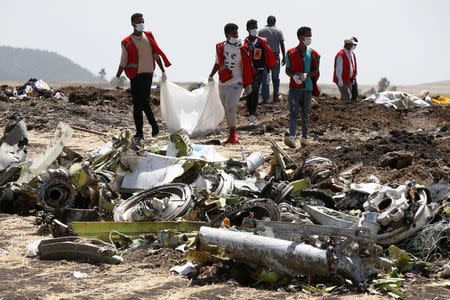
On December 29, 2022, a solemn memorial ceremony was held in Seoul and Muan, South Korea, to commemorate the first anniversary of the deadly Jeju Air plane crash that claimed 179 lives. The ceremony was attended by over 1,200 people, including bereaved family members, government officials, and lawmakers. The event served as a tribute to the victims and highlighted the ongoing search for closure for the families affected by the tragedy.
Key Points:
Actionable Takeaways:
Contextual Insights:
The article reflects the current state of the travel industry by highlighting the emotional and societal impacts of aviation tragedies. It underscores the importance of memorial ceremonies in providing closure and support to affected families, a critical aspect often overlooked in the aftermath of such events. The ceremony also highlights the role of government and community support in crisis management, a theme increasingly relevant in the travel industry as it navigates challenges such as safety concerns, regulatory changes, and global health crises. Furthermore, the article suggests that the ongoing search for closure could drive advancements in crisis response strategies and support systems, potentially influencing innovations in travel tech and fintech aimed at enhancing safety and support for travelers.
Read the Complete Article.
Boutique Travel VC raises investment cap from $1.5M to $10M to lead rounds and support portfolio companies through growth Travel...
Read moreDetails


Comprehensive Summarization: The article from the Nepal Police's Central Investigation Bureau (CIB) reveals one of the largest insurance frauds in...
Read moreDetails
