



















Travel Capitalist Ventures Expands Check Size to $10 Million to Deepen Emerging Market Conviction
Boutique Travel VC raises investment cap from $1.5M to $10M to lead rounds and support portfolio companies through growth Travel...
Read moreDetails

viper-zero / Shutterstock.com
Article Summary:
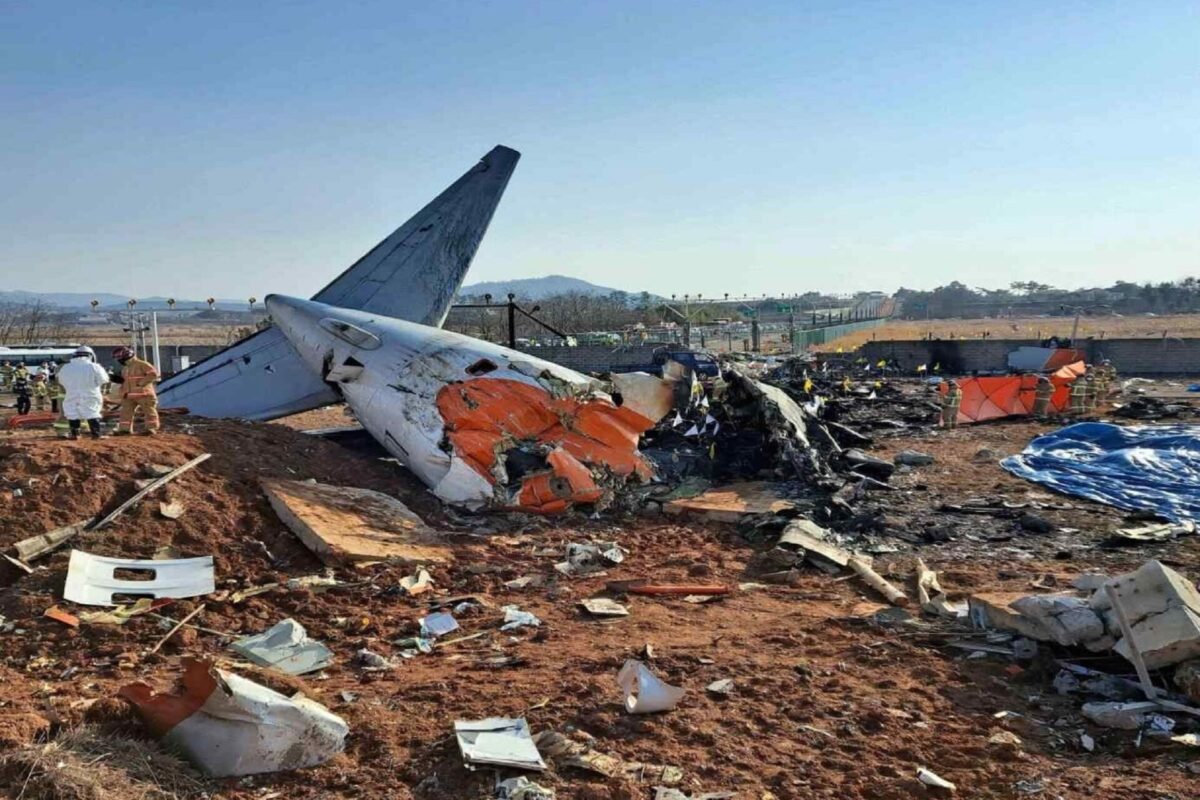
The Korean National Assembly has approved a cross-party investigation into the Jeju Air crash that occurred on December 20, 2025, resulting in the death of 179 people. The Boeing 737-800 involved in the incident collided with an embankment during an emergency landing at Muan International Airport (MWX). The decision to launch an independent investigation was part of a broader effort to understand the circumstances surrounding the crash and prevent future occurrences.
Key Points:
Actionable Takeaways:
Contextual Insights:
The approval of the cross-party investigation into the Jeju Air crash highlights the ongoing commitment to aviation safety within the Korean government and legislative bodies. This move is reflective of a broader trend in the travel industry towards greater transparency and accountability in safety matters. As the travel industry continues to evolve, with advancements in technology and increasing global connectivity, the emphasis on safety investigations will likely intensify. This trend is particularly relevant for startups and established players in aviation and travel tech, as they must prioritize safety innovations to maintain trust and compliance with regulatory standards. The insights from this article suggest that the industry should focus on leveraging technology to enhance safety measures, such as advanced flight tracking systems, real-time communication tools, and predictive maintenance technologies for aircraft. These innovations not only address immediate safety concerns but also position companies to meet future regulatory demands and consumer expectations for safety and reliability in air travel.
Read the Complete Article.
Boutique Travel VC raises investment cap from $1.5M to $10M to lead rounds and support portfolio companies through growth Travel...
Read moreDetails



Comprehensive Summarization: The International Air Transport Association (IATA) has published the results of several digital identity Proof of Concepts (PoCs)...
Read moreDetails
