



















Travel Capitalist Ventures Expands Check Size to $10 Million to Deepen Emerging Market Conviction
Boutique Travel VC raises investment cap from $1.5M to $10M to lead rounds and support portfolio companies through growth Travel...
Read moreDetails
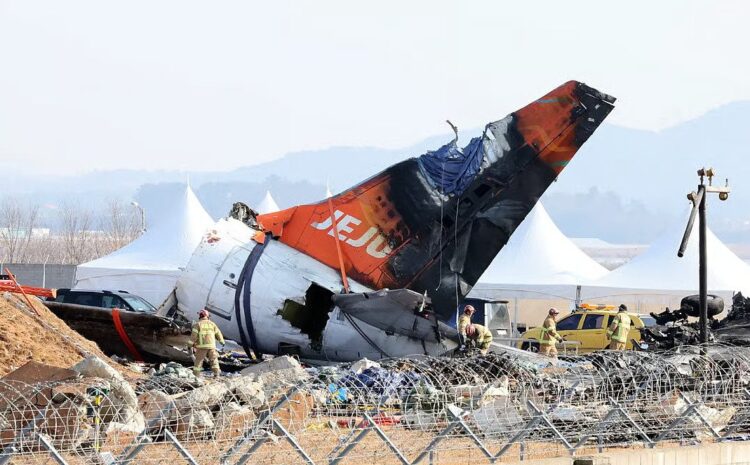
Image: Aero Time
Article Summary:
South Korea’s National Assembly has passed legislation to establish an independent parliamentary investigation into the December 2024 Jeju Air plane crash, which killed 179 people. This move intensifies scrutiny of the official accident inquiry, responding to pressure from victims’ families and lawmakers. The bill empowers an 18-member panel to conduct a comprehensive review, subpoena officials, demand documents, and hold hearings. The inquiry aims to uncover the truth behind the disaster, addressing systemic issues in aviation safety oversight and the need for reforms. The crash has also raised broader industry implications, including discussions on runway safety infrastructure and aircraft oversight.
Key Points:
Actionable Takeaways:
Contextual Insights:
The passage of legislation to establish an independent parliamentary investigation into the Jeju Air crash reflects a growing trend in the travel industry towards greater accountability and transparency in accident investigations. This move is particularly significant in South Korea, where the crash was the deadliest aviation disaster in the country’s history. The establishment of an 18-member panel to conduct a comprehensive review indicates a commitment to uncovering the truth behind the disaster and addressing systemic issues in aviation safety oversight.
In the broader context of the travel industry, this development highlights the increasing pressure on aviation authorities to ensure the safety and reliability of air travel. The inquiry’s powers to subpoena officials, demand documents, and hold hearings with relevant bodies suggest a proactive approach to addressing past shortcomings in the investigation process. This trend is likely to influence other countries’ aviation safety frameworks, potentially leading to more stringent regulations and oversight mechanisms globally.
Moreover, the crash has raised broader industry implications, including discussions on runway safety infrastructure and aircraft oversight. These issues are critical for the travel industry, as they directly impact passenger safety and operational efficiency. The need for reforms in these areas could drive innovation in travel tech, particularly in areas such as predictive maintenance, real-time safety monitoring, and enhanced runway safety infrastructure. Travel startups and fintech innovators could capitalize on these trends by developing solutions that address these challenges, such as advanced safety monitoring systems or predictive maintenance platforms for aircraft.
In conclusion, the establishment of an independent parliamentary investigation into the Jeju Air crash not only addresses immediate concerns over aviation safety but also sets a precedent for greater accountability and transparency in the industry. The actionable takeaways underscore the importance of legislative oversight, stakeholder engagement, and innovation in travel tech and fintech to enhance safety and operational efficiency. As the travel industry continues to evolve, these insights will be crucial for navigating emerging trends and ensuring a safer, more reliable travel experience for all.
Read the Complete Article.
Boutique Travel VC raises investment cap from $1.5M to $10M to lead rounds and support portfolio companies through growth Travel...
Read moreDetails



Comprehensive Summarization: The Liberia National Tourism Authority (LNTA) has faced criticism over its announcement of new annual license fees for...
Read moreDetails
