Article Summary:
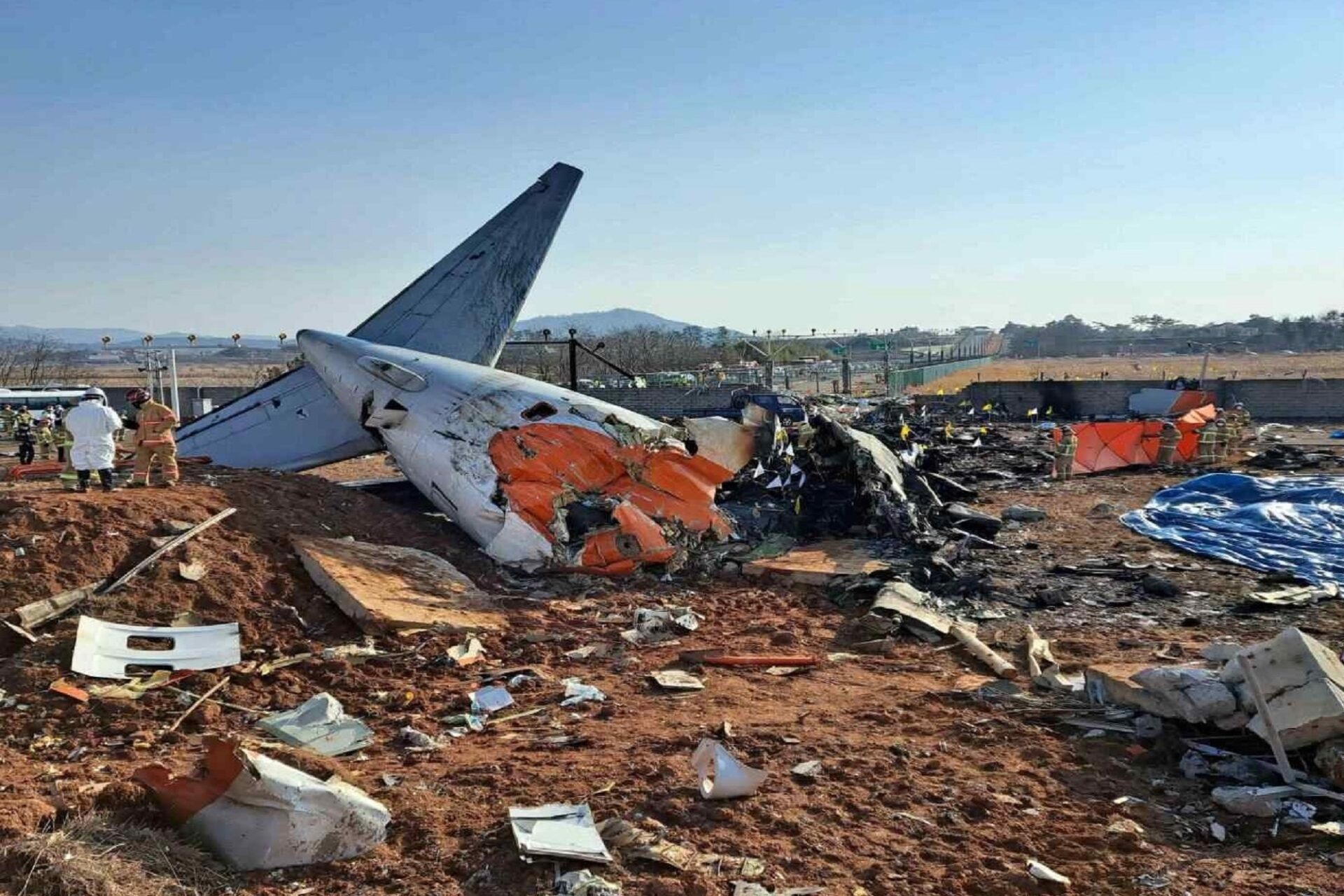
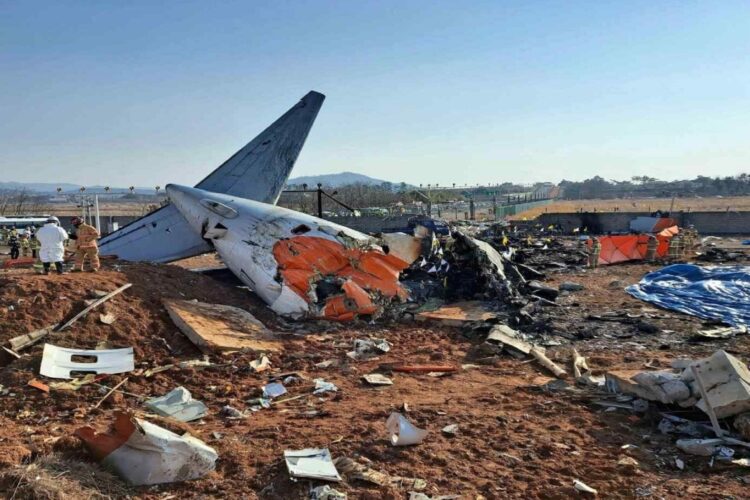
On December 29, 2025, South Korea commemorated the one-year anniversary of the Jeju Air crash tragedy, which killed 179 people on December 29, 2024. Families of the deceased and officials gathered at Muan International Airport (MWX) for a memorial service. The ceremony aimed to honor the victims, support the bereaved, and reaffirm commitments to identifying the cause of the crash. The event began at 09:03 local time, the exact moment the Jeju Air Boeing 737-800 collided with an unidentified object.
Key Points:
- The one-year anniversary of the Jeju Air crash was marked with a memorial service at Muan International Airport on December 29, 2025.
- The ceremony included a gathering of families of the deceased, officials, and a focus on identifying the cause of the crash.
- The memorial service began at 09:03 local time, coinciding with the exact time of the crash.
Actionable Takeaways:
- Enhanced Safety Protocols: The commemoration ceremony underscores the importance of continuous investigation into aviation accidents to enhance safety protocols. Airlines and regulatory bodies should prioritize thorough post-incident analyses to prevent future tragedies.
- Focus on Victim Support: The ceremony highlights the need for robust support systems for families of crash victims. Travel and hospitality companies can develop or improve bereavement support programs to assist affected families, enhancing their brand reputation and social responsibility.
- Investigation and Transparency: The emphasis on identifying the cause of the crash suggests a commitment to transparency and accountability in aviation safety. Companies should invest in advanced investigative technologies and collaborate with regulatory bodies to ensure comprehensive post-incident reviews.
Contextual Insights:
The commemoration of the Jeju Air crash anniversary reflects a broader industry trend towards prioritizing safety and accountability. Recent advancements in aviation technology, such as improved flight data monitoring systems and enhanced air traffic management, have contributed to safer skies. However, incidents like the Jeju Air crash remind the industry of the ongoing need for vigilance and innovation. Thought leaders emphasize that integrating real-time data analytics and AI-driven predictive maintenance can further reduce accident risks. Additionally, the focus on victim support aligns with emerging trends in corporate social responsibility, where companies are increasingly expected to demonstrate empathy and proactive measures in crisis situations. This approach not only aids in rebuilding trust but also sets a benchmark for industry-wide ethical standards.
Read the Complete Article.