




















Travel Capitalist Ventures Expands Check Size to $10 Million to Deepen Emerging Market Conviction
Boutique Travel VC raises investment cap from $1.5M to $10M to lead rounds and support portfolio companies through growth Travel...
Read moreDetails

South Korea parliament passes bill to launch probe into 2024 Jeju Air crash
Article Summary:
South Korea’s parliament has approved a bill to establish an independent investigation into the Jeju Air plane crash that occurred in December 2024, resulting in 179 fatalities. This marks the deadliest air disaster on Korean soil. The 18-member parliamentary panel will examine various aspects of the crash, including potential causes such as bird strikes, engine or mechanical failures, and the impact of an embankment the plane struck. The investigation aims to identify any lapses in safety measures and protocols that may have contributed to the disaster.
Key Points:
Actionable Takeaways:
Contextual Insights:
The passage of the bill to investigate the Jeju Air crash reflects a commitment to transparency and accountability in the aftermath of a tragic aviation incident. This move is indicative of a broader trend in the travel industry towards greater scrutiny and accountability, especially in sectors where safety is paramount. In the context of current industry trends, there is a growing emphasis on leveraging technology to enhance safety and operational efficiency. For instance, the integration of AI and machine learning in predictive maintenance and real-time monitoring systems is becoming increasingly prevalent. These technologies can help airlines preemptively identify potential issues, such as mechanical failures or environmental hazards like bird strikes, thereby reducing the likelihood of accidents. Furthermore, the focus on independent investigations and regulatory oversight aligns with the industry’s push towards more robust safety standards and consumer confidence. As the travel industry continues to evolve, such initiatives will likely play a crucial role in shaping future practices and innovations, particularly in the realms of aviation safety and regulatory compliance.
Read the Complete Article.
Boutique Travel VC raises investment cap from $1.5M to $10M to lead rounds and support portfolio companies through growth Travel...
Read moreDetails



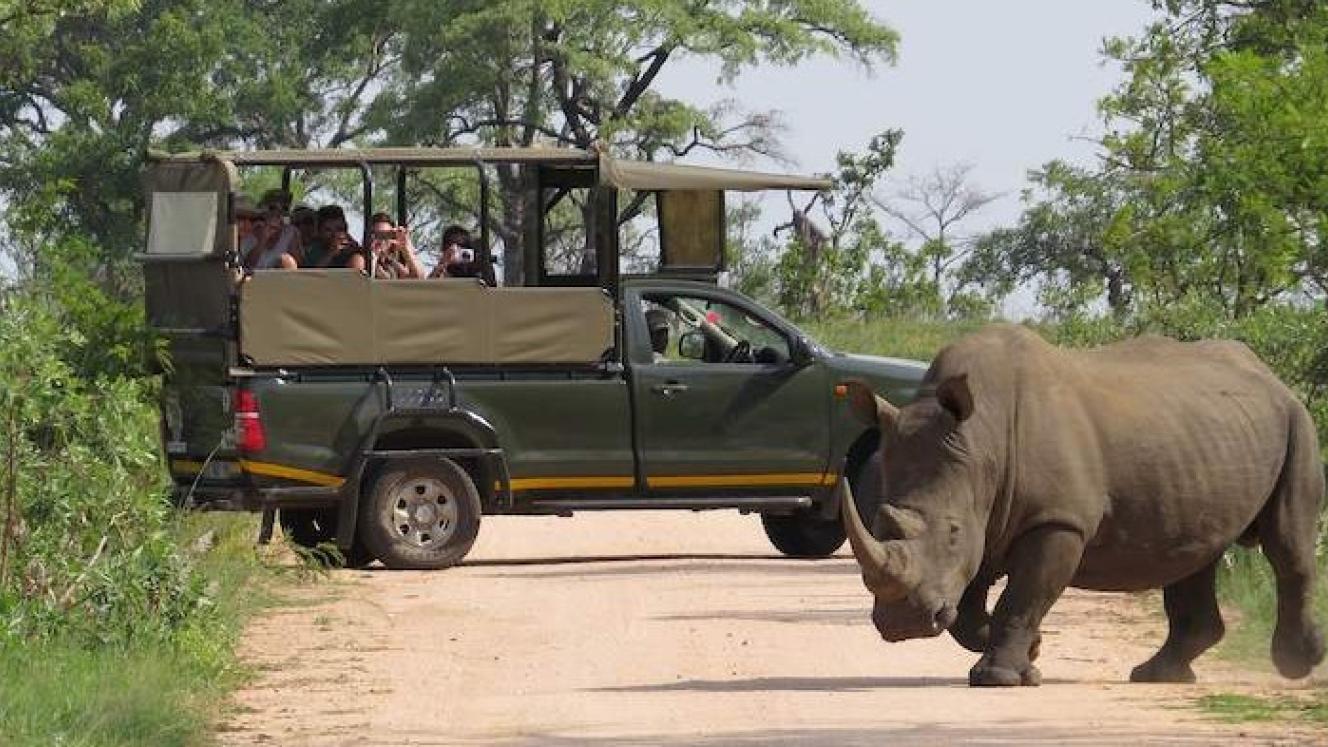
Comprehensive Summarization: The article reports that SANParks, the South African national parks authority, has implemented "fuel management measures" in several...
Read moreDetails
