




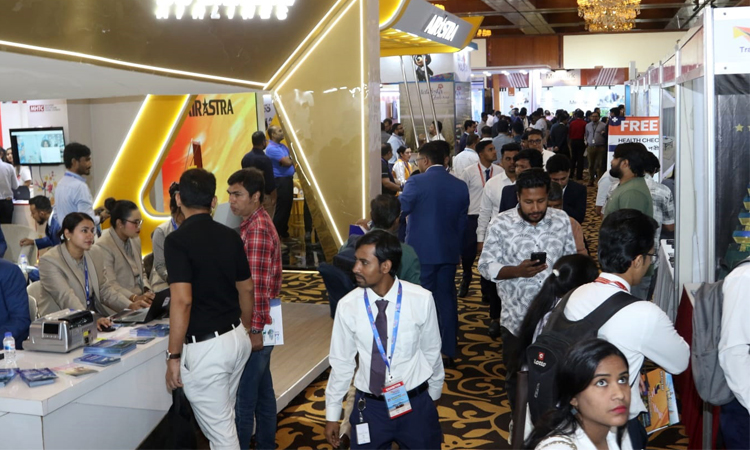
















Travel Capitalist Ventures Expands Check Size to $10 Million to Deepen Emerging Market Conviction
Boutique Travel VC raises investment cap from $1.5M to $10M to lead rounds and support portfolio companies through growth Travel...
Read moreDetails
South Korea parliament passes bill to launch probe into 2024 Jeju Air crash
Article Summary:
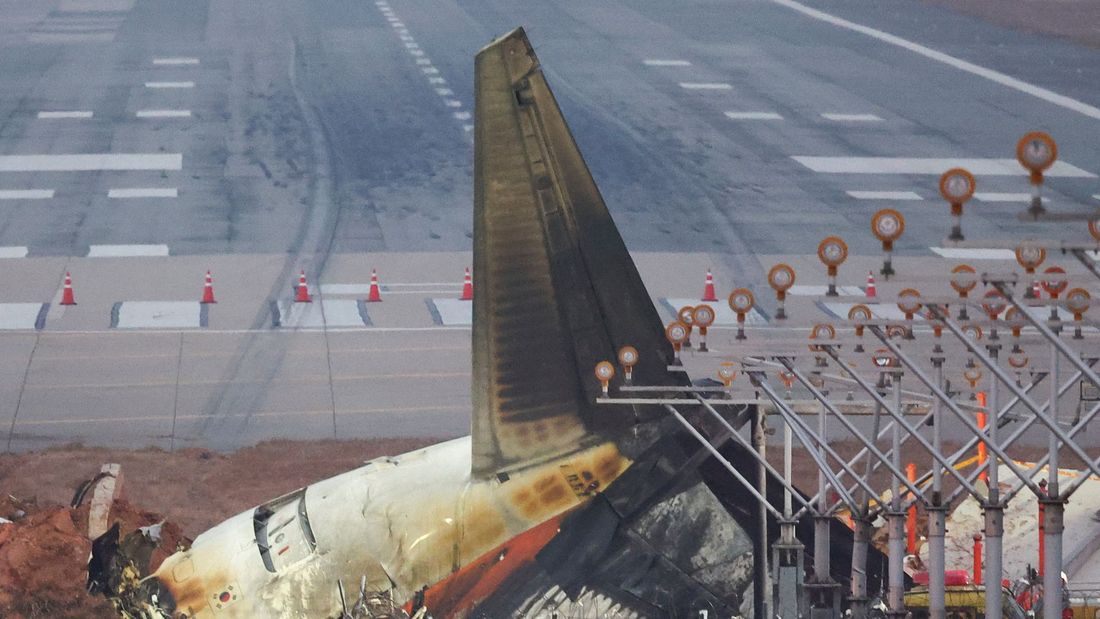
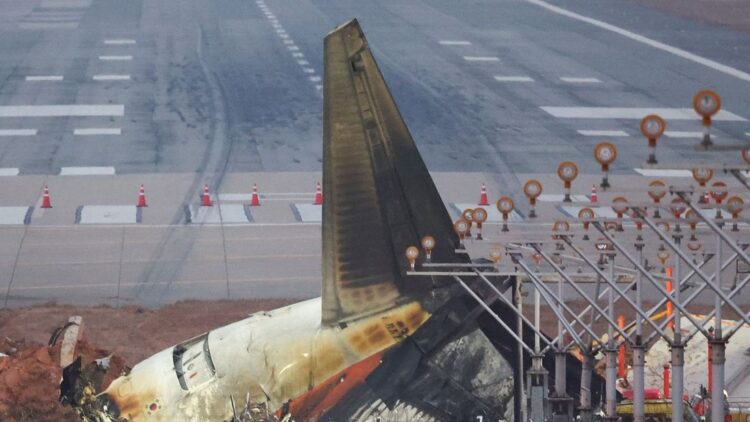
On December 22, 2024, South Korea’s parliament passed a bill to initiate an independent investigation into the Jeju Air plane crash that occurred on December 30, 2024, at Muan International Airport, killing 179 people. The delay in releasing an accident report by the government-backed investigation board has prompted this move. The crash site, located near skid marks on the runway, was photographed by Reuters on December 30, 2024, providing initial evidence of the incident.
Key Points:
Parliamentary Action: South Korea’s parliament has approved a bill to establish an independent probe into the Jeju Air crash, aiming to expedite the release of an accident report.
Crash Details: The crash occurred on December 30, 2024, at Muan International Airport, resulting in the death of 179 people. The wreckage was found near skid marks on the runway, as documented by a Reuters file photo.
Government Investigation Delay: The government-backed investigation board has been slow in releasing the accident report, prompting the parliamentary action to ensure a more timely and independent inquiry.
Actionable Takeaways:
Enhanced Safety Oversight: The decision to launch an independent probe underscores the importance of enhanced safety oversight in the aviation sector. Airlines and regulatory bodies should consider implementing more rigorous post-incident review processes to prevent similar tragedies. This could involve adopting advanced data analytics and real-time monitoring systems to identify potential risks promptly.
Regulatory Transparency: The bill’s passage highlights the need for greater transparency in accident reporting and investigation processes. Airlines and regulatory bodies should strive for more open communication regarding accident investigations, including timelines and methodologies, to build public trust and confidence in the aviation industry’s safety measures.
Contextual Insights:
The passage of the bill to launch an independent probe into the Jeju Air crash reflects a broader trend in the travel industry towards greater accountability and transparency. Recent years have seen increased scrutiny on aviation safety, driven by high-profile incidents and advancements in technology. Innovations such as AI-driven predictive maintenance and real-time flight tracking systems are becoming standard, aiming to enhance safety and operational efficiency. The focus on independent investigations aligns with these trends, emphasizing the industry’s commitment to learning from past incidents and continuously improving safety standards. As travel tech continues to evolve, stakeholders must remain vigilant in adopting best practices and leveraging new technologies to ensure the highest levels of safety and reliability in air travel.
Read the Complete Article.
Boutique Travel VC raises investment cap from $1.5M to $10M to lead rounds and support portfolio companies through growth Travel...
Read moreDetails



Comprehensive Summarization: The article reports that SANParks, the South African national parks authority, has implemented "fuel management measures" in several...
Read moreDetails
