






















Travel Capitalist Ventures Expands Check Size to $10 Million to Deepen Emerging Market Conviction
Boutique Travel VC raises investment cap from $1.5M to $10M to lead rounds and support portfolio companies through growth Travel...
Read moreDetails
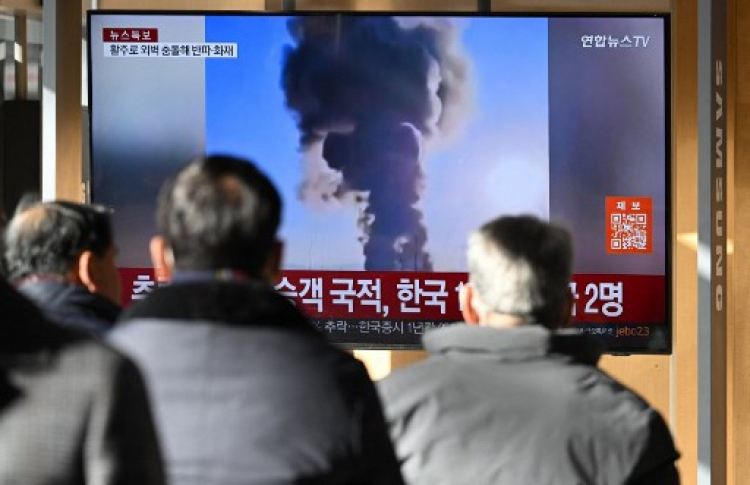
S. Korea to overhaul some airports after Jeju Air crash
Article Summary:
South Korean authorities announced on Wednesday that they will replace the concrete barriers used for navigation at some airports across the country following the tragic Jeju Air crash on December 29, 2022. The Boeing 737-800, carrying 181 passengers and crew, belly-landed at Muan airport and exploded in a fireball after colliding with a concrete barrier. This incident marks the worst-ever aviation disaster on South Korean soil, prompting immediate action to enhance airport safety measures.
Key Points:
Actionable Takeaways:
Contextual Insights:
The Jeju Air crash underscores the critical importance of airport safety in the travel industry. Recent trends indicate a growing emphasis on technological advancements and infrastructure upgrades to enhance safety and passenger experience. Thought leaders emphasize the need for continuous innovation in travel tech, particularly in areas such as airport navigation systems and emergency response protocols. The South Korean authorities’ decision to replace navigation barriers reflects a broader industry trend towards proactive safety measures. This move not only addresses immediate safety concerns but also sets a precedent for other countries to follow in ensuring the highest safety standards in aviation. As the travel industry continues to evolve, such initiatives will play a pivotal role in shaping future travel experiences and maintaining public confidence in air travel.
Read the Complete Article.
Boutique Travel VC raises investment cap from $1.5M to $10M to lead rounds and support portfolio companies through growth Travel...
Read moreDetails



Comprehensive Summarization: British Airways has announced a series of significant changes to its flight operations in response to heightened regional...
Read moreDetails
