Article Summary:
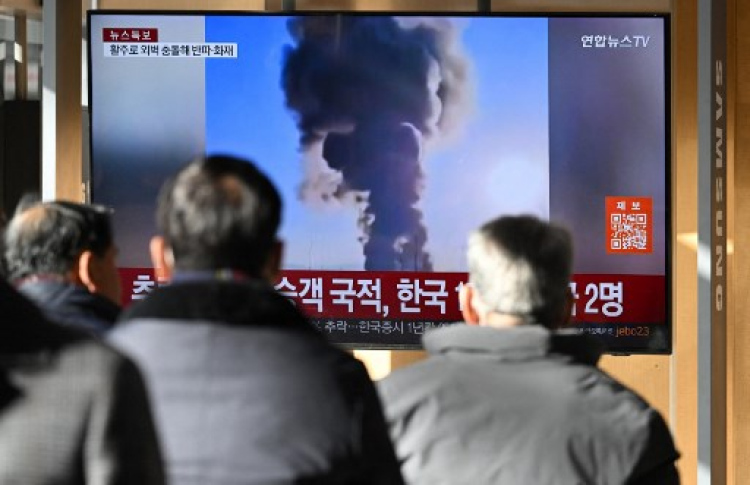
South Korean authorities announced on Wednesday that they will replace the concrete barriers used for navigation at some airports across the country following the tragic Jeju Air crash on December 29, 2022. The Boeing 737-800, carrying 181 passengers and crew, belly-landed at Muan airport and exploded in a fireball after colliding with a concrete barrier. This incident marks the worst-ever aviation disaster on South Korean soil, prompting immediate action to enhance airport safety measures.
Key Points:
- South Korean authorities plan to replace navigation barriers at certain airports following the Jeju Air crash.
- The Boeing 737-800 involved in the crash was en route from Thailand to Muan, South Korea, when it collided with a concrete barrier and caught fire.
- The crash resulted in 179 fatalities, making it the deadliest aviation disaster in South Korean history.
- The incident highlights the need for enhanced safety measures at airports in South Korea.
Actionable Takeaways:
- Enhanced Airport Safety Measures: South Korean airports should prioritize the replacement of outdated navigation barriers to prevent similar catastrophic incidents. This action is crucial for ensuring passenger safety and maintaining international aviation standards.
- Investment in Airport Infrastructure: The incident underscores the importance of continuous investment in airport infrastructure. Upgrading critical safety components, such as navigation barriers, can significantly reduce the risk of aviation disasters.
- Regulatory Oversight: Authorities should review and possibly tighten regulations governing the maintenance and replacement of airport infrastructure. This proactive approach can help prevent future tragedies and ensure compliance with international safety standards.
Contextual Insights:
The Jeju Air crash underscores the critical importance of airport safety in the travel industry. Recent trends indicate a growing emphasis on technological advancements and infrastructure upgrades to enhance safety and operational efficiency. Thought leaders in the travel sector emphasize the need for continuous innovation and regulatory oversight to adapt to evolving challenges. The South Korean authorities’ decision to replace navigation barriers reflects a broader industry trend toward prioritizing safety and reliability in aviation operations. This move not only addresses immediate safety concerns but also sets a precedent for other countries to enhance their airport infrastructure, potentially influencing global travel standards and practices.
Read the Complete Article.