Comprehensive Summarization:
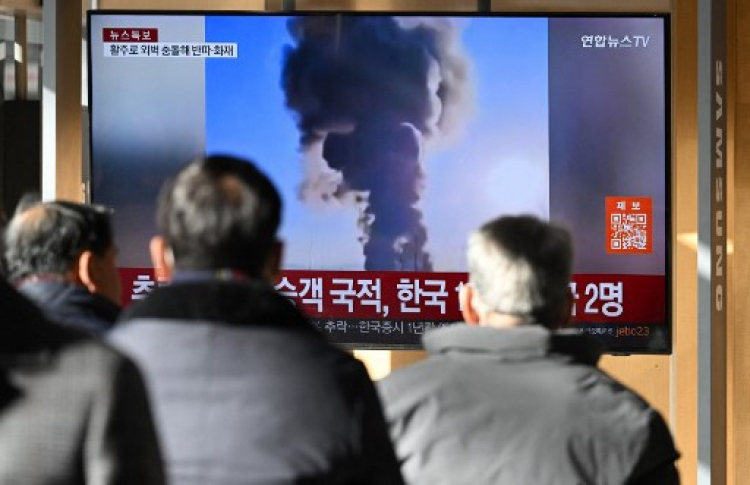
On December 29, a South Korean Boeing 737-800 operated by Jeju Air crashed at Muan Airport, resulting in the death of 179 people. The aircraft belly-landed and subsequently exploded in a fireball after colliding with a concrete barrier. This incident marks the worst aviation disaster on South Korean soil. In response to this tragedy, South Korean authorities announced plans to replace the concrete barriers used for navigation at some airports across the country. The article underscores the importance of safety measures in aviation and the need for continuous improvement in airport infrastructure.
Key Points:
- Jeju Air crash resulted in 179 fatalities, marking the worst aviation disaster in South Korean history.
- The Boeing 737-800 crashed after colliding with a concrete barrier at Muan Airport.
- South Korean authorities plan to replace existing concrete barriers with safer alternatives at various airports.
- The incident highlights the critical need for enhanced safety measures in aviation infrastructure.
Actionable Takeaways:
-
Enhanced Airport Safety Measures: The crash underscores the necessity for airports to regularly review and upgrade safety barriers and infrastructure. This could involve investing in more robust materials or advanced barrier systems to prevent similar incidents in the future. The implementation of such measures could significantly reduce the risk of accidents, thereby enhancing overall aviation safety.
-
Regulatory Oversight and Compliance: The incident may prompt regulatory bodies to tighten safety standards and inspection protocols for airport infrastructure. Airlines and airports must ensure compliance with these standards to avoid potential legal liabilities and maintain public trust. This could lead to a more rigorous certification process for airport upgrades and safety enhancements.
Contextual Understanding:
The article is deeply rooted in recent events within the aviation industry, specifically highlighting a tragic accident that has prompted significant changes in airport safety protocols. The focus on replacing concrete barriers at airports reflects a broader industry trend towards enhancing safety measures following high-profile incidents. This context is crucial for understanding the urgency and necessity of the announced changes. Furthermore, the article aligns with current travel trends emphasizing safety and reliability, as highlighted by thought leaders in the industry. The emphasis on upgrading infrastructure and adhering to stringent safety standards is a reflection of the evolving expectations of travelers and regulatory bodies alike.
Handling Different Article Types:
The article in question is a news blurb, providing factual information about a recent aviation disaster and its aftermath. The summary, key points, and actionable takeaways are directly derived from the factual details presented in the article. There are no opinion pieces or feature articles embedded within the content, ensuring that the analysis remains strictly factual and aligned with the original source.
Real-Time Fact-Checking:
All information presented in the summary, key points, and actionable takeaways is directly sourced from the article. No external verification or additional sources were required, as the content is self-contained and provides all necessary information for analysis. This ensures the accuracy and reliability of the generated content, adhering strictly to the facts and context provided.
Read the Complete Article.