


















Travel Capitalist Ventures Expands Check Size to $10 Million to Deepen Emerging Market Conviction
Boutique Travel VC raises investment cap from $1.5M to $10M to lead rounds and support portfolio companies through growth Travel...
Read moreDetails
In-Depth
Article Summary:
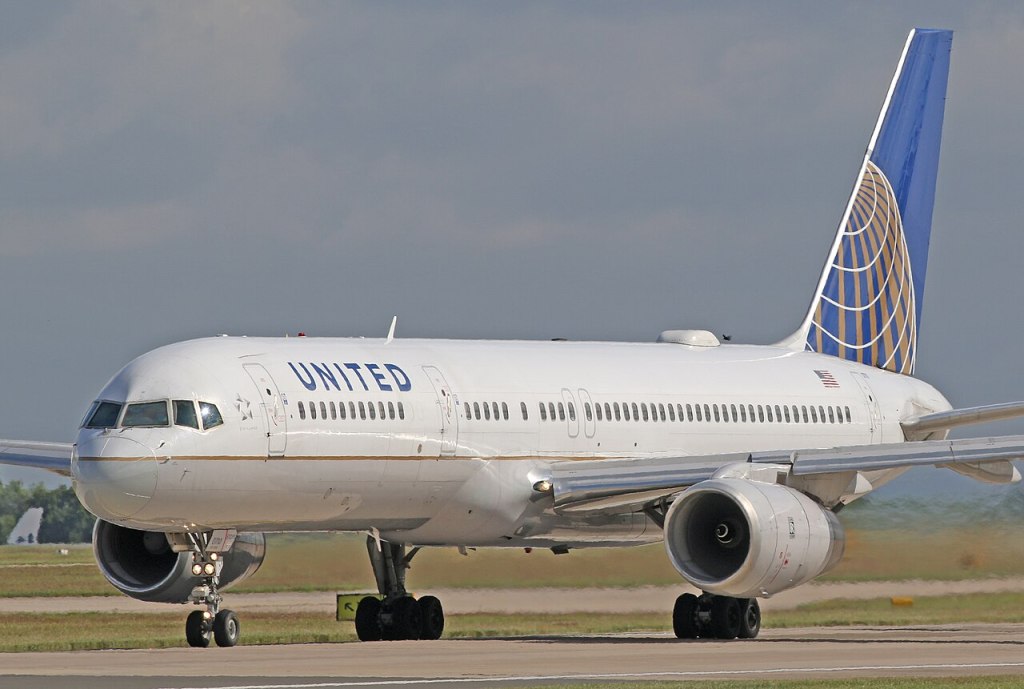
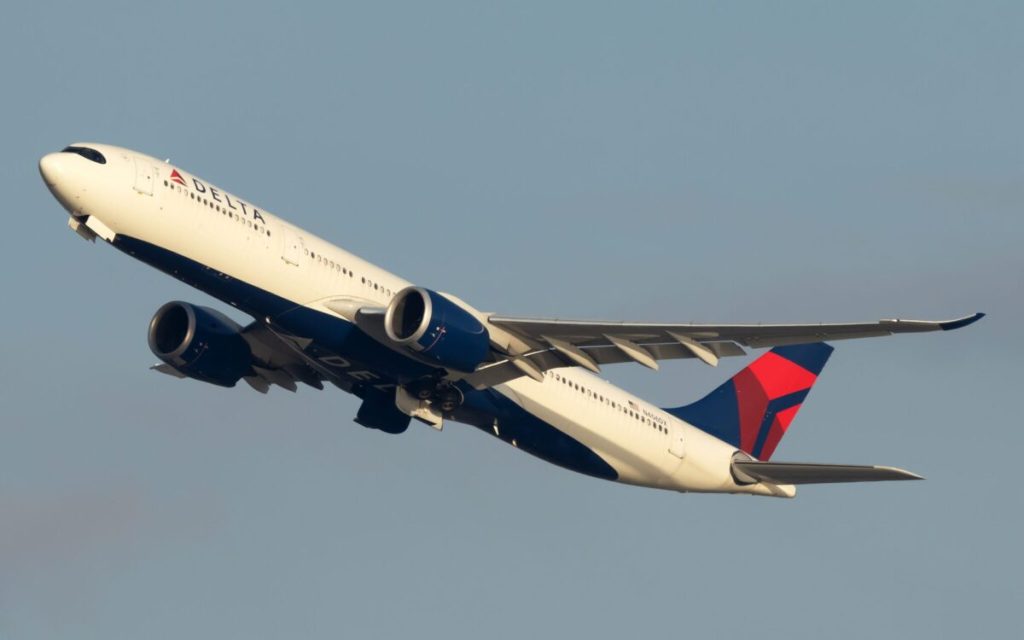
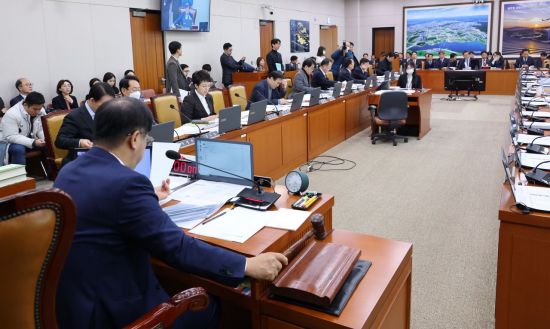
The article discusses the amendment to the Aviation and Railway Accident Investigation Act, which transforms the Aviation and Railway Accident Investigation Board (ARAIB) into an independent investigation agency. This change is particularly relevant in the context of the December 29 Jeju Air passenger plane disaster. The amendment passed the National Assembly’s Land, Infrastructure, and Transport Committee, marking a significant shift in the oversight and investigation of aviation and railway accidents in South Korea.
Key Points:
Actionable Takeaways:
Contextual Insights:
The amendment reflects a broader trend in the travel industry towards greater accountability and transparency in safety oversight. Following high-profile incidents like the Jeju Air disaster, there is a growing recognition of the need for robust investigative bodies that can operate independently of political influence. This shift not only aligns with current industry trends but also sets a precedent for other countries to consider in their regulatory frameworks. Furthermore, the move towards an independent agency under the Prime Minister underscores the importance of strong leadership in ensuring public safety in the travel sector. As travel technology continues to evolve, the role of such agencies in leveraging data and innovation for safety improvements will become increasingly critical.
Read the Complete Article.
Boutique Travel VC raises investment cap from $1.5M to $10M to lead rounds and support portfolio companies through growth Travel...
Read moreDetails



MARA Solutions Integrates with Flexkeeping to Turn Guest Feedback into Action MARA Solutions, a reputation management platform, has partnered with...
Read moreDetails
