





No products in the cart.
- Latest
- Trending


The Airbus A220, initially met with skepticism, is proving to be a game-changer for airlines navigating the complexities of short- and medium-haul routes. This small yet powerful jetliner is making significant strides in efficiency and passenger comfort, altering the dynamics of regional air travel.
Originally developed by Bombardier as the CSeries, the A220 offers airlines a sweet spot: a plane sized between regional jets and larger narrow-body aircraft like the A320 and Boeing 737. This allows operators to right-size capacity on routes that don’t consistently justify larger planes, leading to improved load factors and reduced fuel consumption.
One of the A220’s key advantages is its fuel efficiency, thanks to its advanced Pratt & Whitney PW1500G geared turbofan engines and aerodynamic design. This makes it a more environmentally friendly option and also significantly lowers operating costs for airlines, translating into potential savings that can be passed on to passengers or reinvested in other areas.
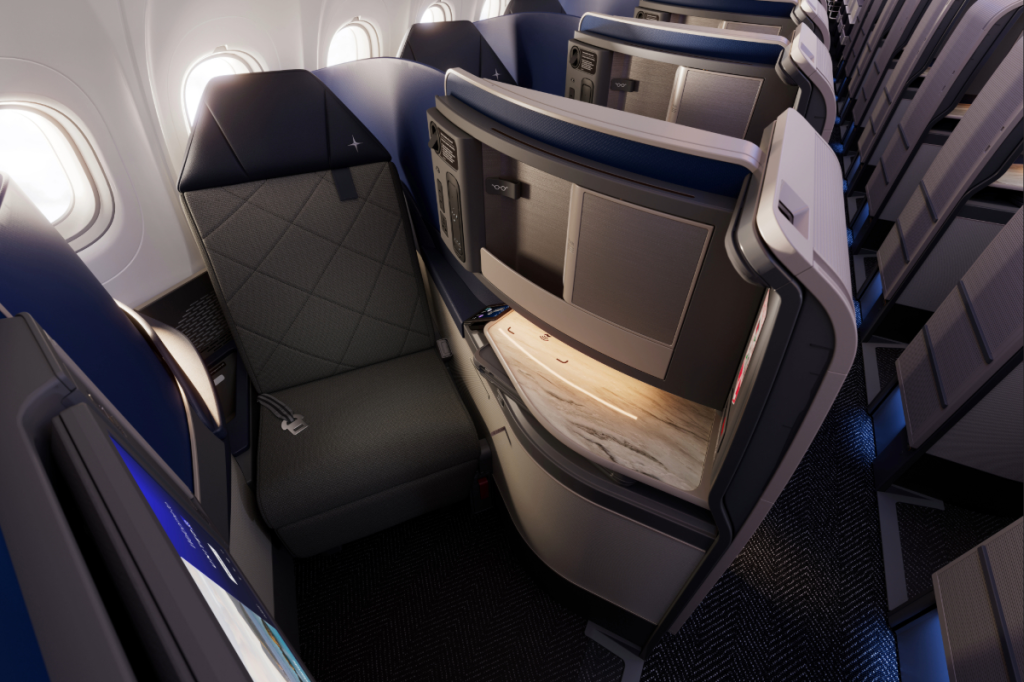
Beyond fuel efficiency, the A220 offers a superior passenger experience. Its wider seats, larger windows, and spacious cabin create a more comfortable and enjoyable flight, setting it apart from many regional jets that can feel cramped and outdated. This enhanced comfort is particularly appealing on longer short-haul flights.
Several airlines have already embraced the A220, including Delta Air Lines, JetBlue, and Air Canada, deploying it on a variety of routes. These airlines have reported positive feedback from passengers and crew alike, further solidifying the A220’s reputation as a modern and efficient aircraft. The A220 is particularly valuable for serving routes that require a blend of frequency and cost-effectiveness, like thinner transcontinental flights. It can also open up new markets that previously were not profitable or were too small to serve with larger aircraft.
The A220’s success is forcing competitors, particularly Boeing, to re-evaluate their strategies in the regional jet market. While not directly competing with Boeing’s larger aircraft, the A220 demonstrates the growing demand for fuel-efficient and passenger-friendly aircraft in the short- to medium-haul segment. The A220’s impact on the industry is undeniable. It is a prime example of how innovation and efficiency can reshape air travel, offering both airlines and passengers a better flying experience.
Key Points:
Read the Complete Article.
Get curated travel AI insights — choose the newsletters that matter to you.
ALTOUR Expands into Thailand, Strengthening Corporate Travel Network Across Southeast Asia BANGKOK, THAILAND (25 March, 2026) – ALTOUR, a leading...
Read moreDetails


Comprehensive Summarization: The article reports on Vietjet's resumption of two routes to the Republic of Korea, specifically the Da Lat-Seoul...
Read moreDetails