






No products in the cart.
- Latest
- Trending

Delta Air Lines Joins American Airlines, United Airlines, Southwest, JetBlue, Air Canada and Alaska ...
Comprehensive Summarization:
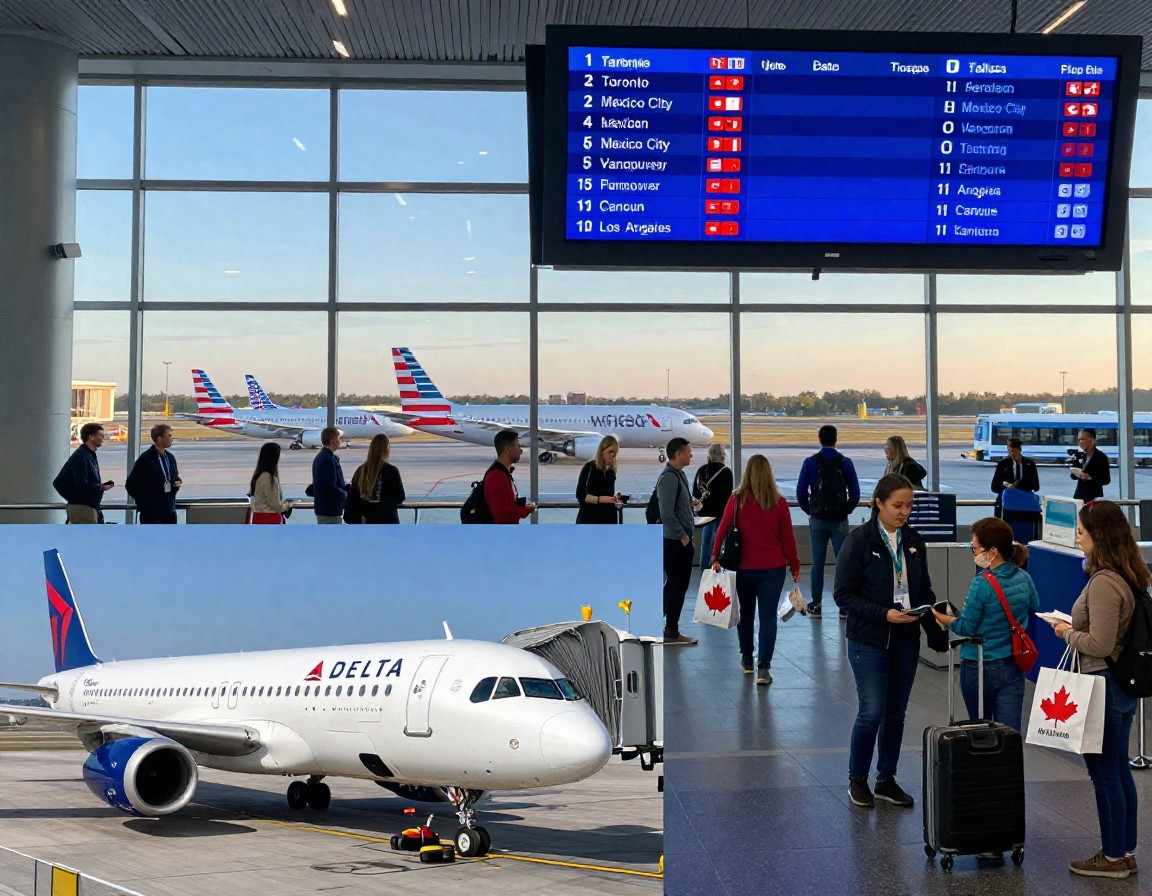
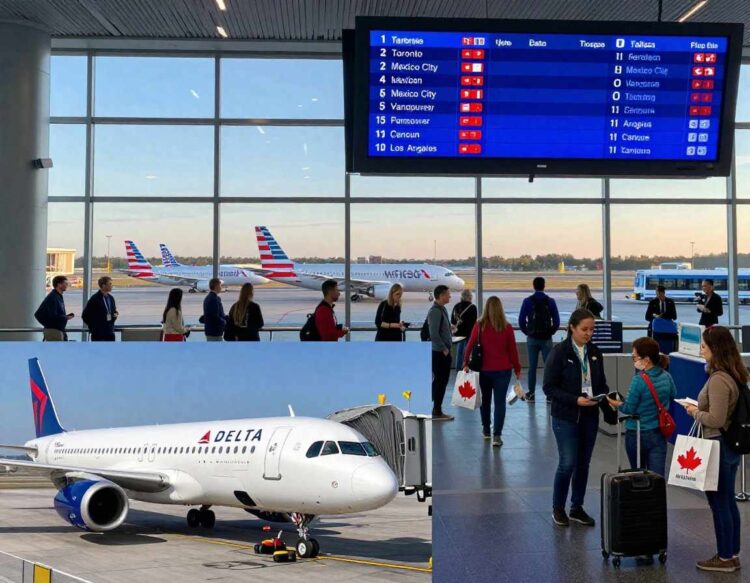
Delta Air Lines, American Airlines, United Airlines, Southwest, JetBlue, Air Canada, and Alaska Airlines have joined forces to boost travel in the US, Canada, and Mexico. This collaboration, fueled by fleet modernization, cross-border demand, and rising international arrivals, marks a significant phase in North American aviation growth. The Airbus A321neo expansion is a key driver behind this surge, signaling a commitment to enhancing travel experiences and meeting the growing demand in the region.
Key Points:
Actionable Takeaways:
Contextual Insights:
The collaboration among these major airlines reflects a broader trend in the travel industry towards consolidation and strategic partnerships to navigate the post-pandemic recovery. The emphasis on fleet modernization, particularly with the Airbus A321neo, underscores the industry’s focus on improving operational efficiency and passenger experience. This move aligns with the growing demand for sustainable and comfortable travel options, as highlighted by recent travel trends and insights from industry thought leaders. The surge in cross-border and international arrivals indicates a robust recovery in travel, driven by pent-up demand and improved vaccination rates. This context suggests that airlines that adapt quickly to these trends, such as by investing in modern fleets and expanding international services, are likely to thrive in the evolving travel landscape.
Read the Complete Article.
Get curated travel AI insights — choose the newsletters that matter to you.
ALTOUR Expands into Thailand, Strengthening Corporate Travel Network Across Southeast Asia BANGKOK, THAILAND (25 March, 2026) – ALTOUR, a leading...
Read moreDetails


— In short: Global wellness tourism market projected to reach USD 1,682.8 Billion by 2034. Global Wellness Tourism Market Forecast...
Read moreDetails