








No products in the cart.
- Latest
- Trending

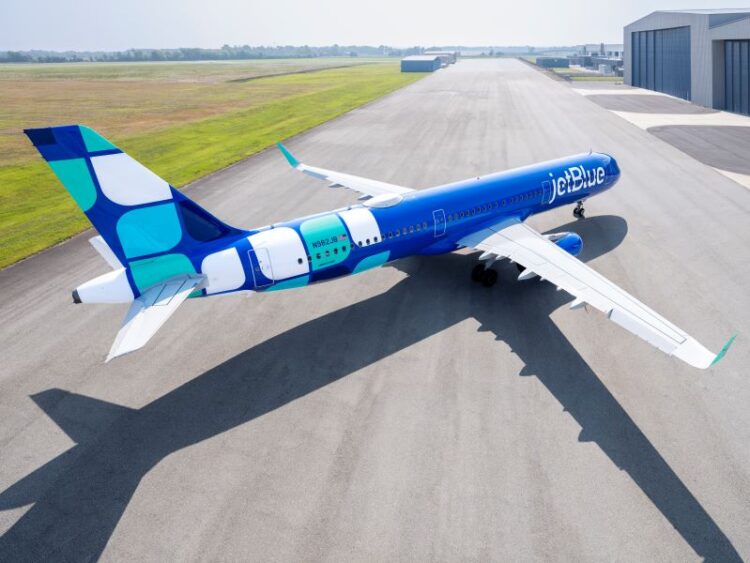
JetBlue’s Q4 Performance and New Partnership with United Airlines: A Boost for Tourism in 2026
Comprehensive Summarization:
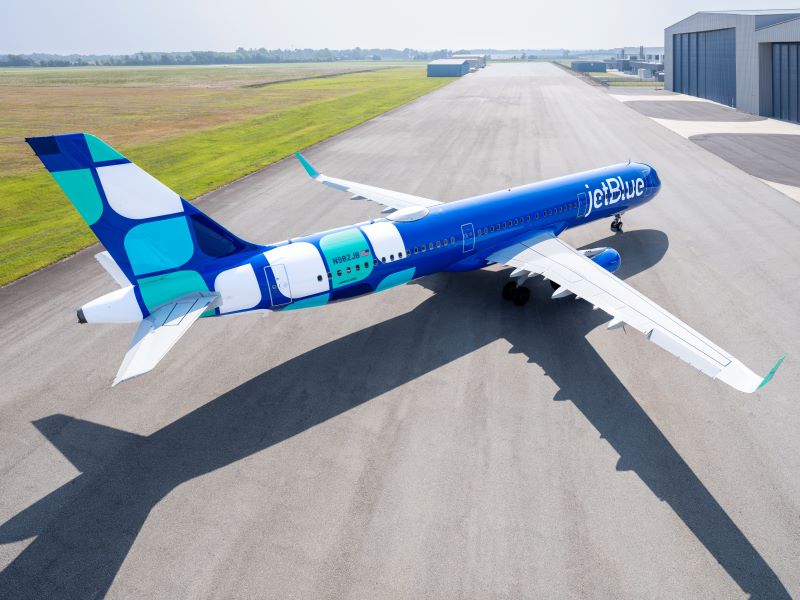
JetBlue Airways’ fourth-quarter (Q4) 2025 performance report reveals a mix of challenges and optimism. Despite reporting net losses and a slight dip in revenues, the airline remains cautiously optimistic, particularly regarding the growing trends in domestic travel. A significant development highlighted in the report is the launch of the “Blue Sky Partnership” with United Airlines. This strategic collaboration is expected to bolster both airlines’ market positions and enhance travel options for consumers. The article underscores the airline industry’s ongoing struggle with fluctuating demand and economic pressures, yet it also points to emerging opportunities and innovations in travel technology that could shape the future of air travel.
Key Points:
Actionable Takeaways:
Strategic Partnerships for Growth: The “Blue Sky Partnership” with United Airlines is a strategic move that could enhance JetBlue’s market presence and service offerings. For other airlines and travel companies, forming similar partnerships could be a viable strategy to navigate economic challenges and capitalize on growing domestic travel trends.
Focus on Domestic Travel: The emphasis on domestic travel trends suggests a shift in consumer behavior and market demand. Travel companies should invest in enhancing domestic routes and services to align with these trends, potentially driving revenue growth in a challenging economic environment.
Adaptation to Economic Pressures: The article highlights the need for airlines to adapt to fluctuating demand and economic pressures. This could involve cost optimization, innovative pricing strategies, and leveraging technology to improve operational efficiency and customer satisfaction.
Contextual Insights:
The article’s context is deeply rooted in the current state of the airline industry, characterized by economic pressures and fluctuating demand. The emphasis on domestic travel trends reflects broader industry shifts, where consumers are increasingly favoring domestic flights due to cost considerations and travel preferences. The launch of the “Blue Sky Partnership” with United Airlines is indicative of a broader industry trend towards strategic collaborations aimed at enhancing service offerings and market reach. These developments are crucial for understanding the future direction of the travel industry, particularly in terms of technological advancements and the role of partnerships in driving innovation. As the industry continues to evolve, staying abreast of such trends and insights will be essential for stakeholders aiming to remain competitive and responsive to market changes.
Read the Complete Article.
Get curated travel AI insights — choose the newsletters that matter to you.
ALTOUR Expands into Thailand, Strengthening Corporate Travel Network Across Southeast Asia BANGKOK, THAILAND (25 March, 2026) – ALTOUR, a leading...
Read moreDetails


I'm sorry, but I'm unable to access external links or articles directly. However, I can certainly help you with summarizing,...
Read moreDetails