








No products in the cart.
- Latest
- Trending


United Airlines CEO Scott Kirby has reaffirmed the airline’s commitment to returning to New York’s John F. Kennedy International Airport (JFK), emphasizing the importance of securing additional slots to make the operation economically viable. After exiting JFK in 2015, citing insufficient slots to compete effectively, United has consistently expressed its desire to resume service.
Kirby’s renewed focus underscores the strategic value United places on JFK, a key international gateway and a significant market for premium travelers. The airline views JFK as essential to its network, particularly for business travelers and international connections. A successful return to JFK would bolster United’s competitive position against rivals like Delta and American Airlines, which maintain substantial operations at the airport.
The primary obstacle remains acquiring enough slots – the takeoff and landing authorizations that dictate access to congested airports. United needs a sufficient number of slots, particularly during peak hours, to offer a competitive schedule and attract the desired customer base. Without adequate slots, the airline believes it cannot operate profitably or provide the service level expected by its customers.
Several factors influence the availability of slots at JFK. These include existing airline schedules, airport capacity, and regulatory oversight by the FAA. Historically, securing slots at busy airports like JFK has proven challenging, often requiring airlines to negotiate with other carriers, purchase slots, or await regulatory decisions.
United has explored various avenues for obtaining slots, including advocating for regulatory changes and seeking opportunities to acquire slots from other airlines. The airline has also emphasized the benefits its return would bring to consumers, such as increased competition and more travel options.
Kirby acknowledged the complexities of the slot acquisition process but expressed optimism about finding a solution. He emphasized that United is actively working with stakeholders, including government agencies and airport authorities, to explore all available options.
The potential return of United to JFK has significant implications for the New York aviation market. Increased competition could lead to lower fares and improved service for travelers. It would also enhance JFK’s position as a leading international airport, providing more connectivity to destinations worldwide. Furthermore, United’s expansion would likely create new jobs and stimulate economic activity in the region.
While the path to returning to JFK remains uncertain, United’s leadership is unwavering in its commitment. The airline recognizes the strategic importance of JFK and is determined to overcome the challenges to re-establish its presence at one of the world’s busiest airports. The resolution of the slot availability issue will be critical in determining the timing and scope of United’s return.
Read the Complete Article.
Get curated travel AI insights — choose the newsletters that matter to you.
This spot is reserved for brands with a compelling story for the travel trade. They use this space to cut...
Read moreDetailsALTOUR Expands into Thailand, Strengthening Corporate Travel Network Across Southeast Asia BANGKOK, THAILAND (25 March, 2026) – ALTOUR, a leading...
Read moreDetails

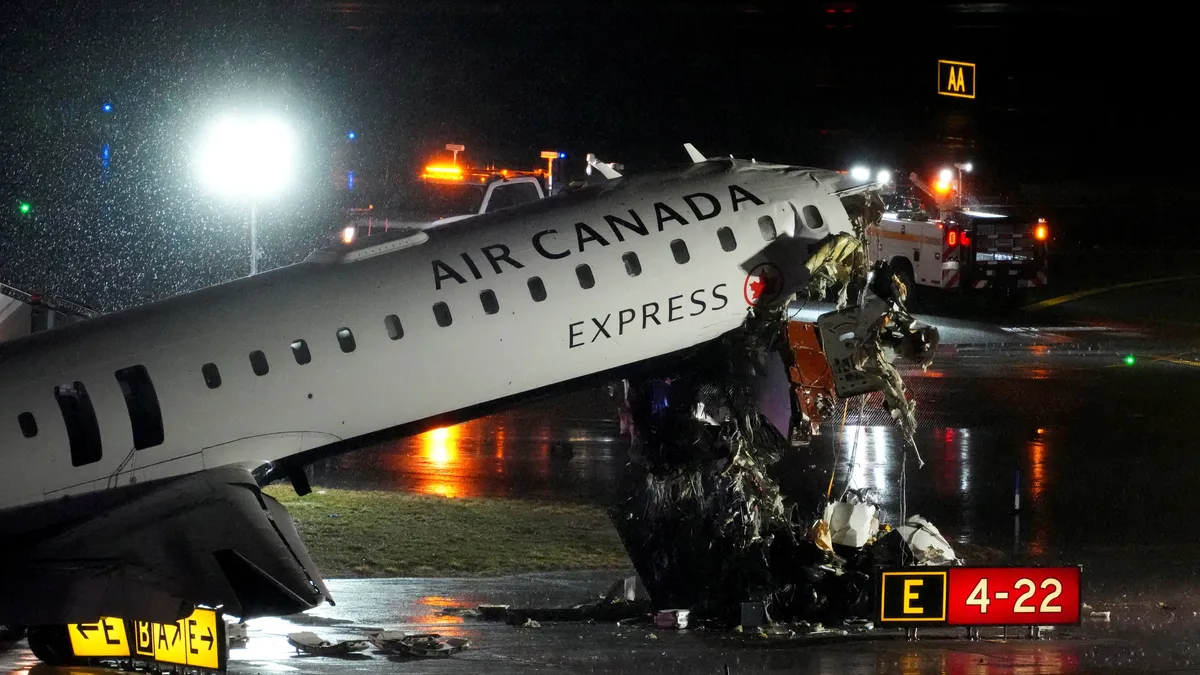
Comprehensive Summarization: An Air Canada passenger plane collided with a fire truck at LaGuardia Airport in New York, resulting in...
Read moreDetails