






No products in the cart.
- Latest
- Trending

Southwest Airlines, American Airlines, Delta, United, JetBlue, Alaska Airlines, and Spirit Airlines ...
Comprehensive Summarization:
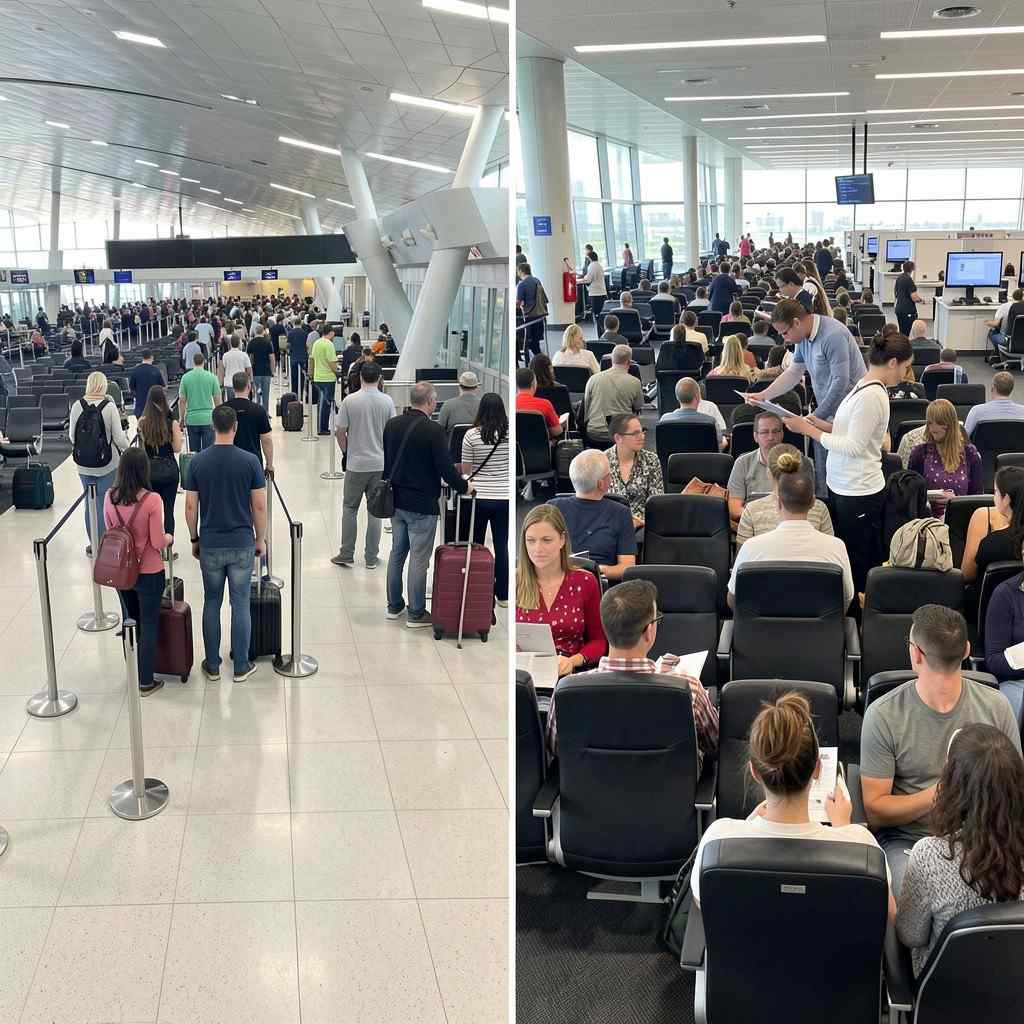
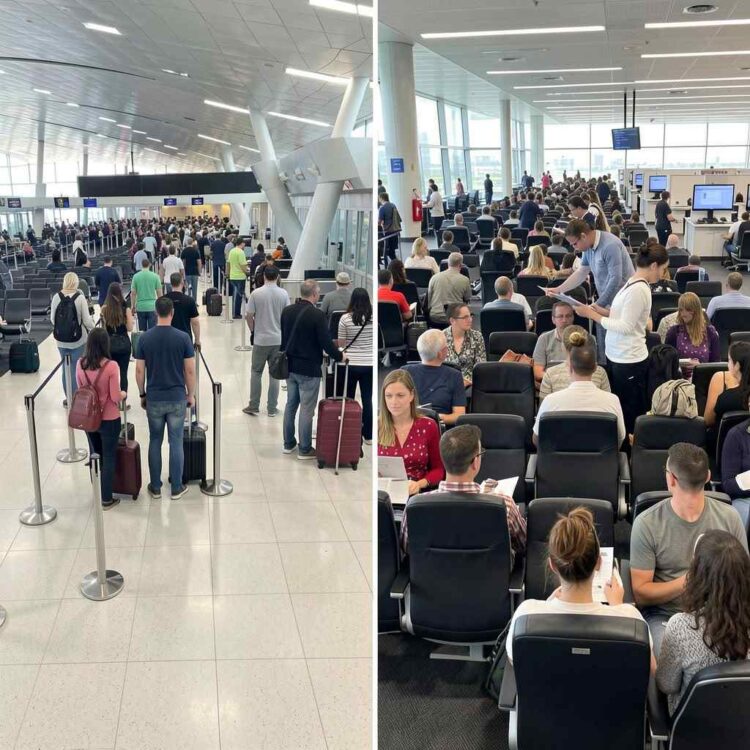
Southwest Airlines, American Airlines, Delta, United, JetBlue, Alaska Airlines, and Spirit Airlines are collectively implementing a new policy of assigned seating for passengers. This move is part of a broader industry shift towards more structured seating arrangements, signaling a significant change in how passengers experience air travel. The article, published on March 3, 2026, highlights this development within the context of the ongoing evolution of the travel industry, emphasizing the impact on passenger convenience and airline operations.
Key Points:
Actionable Takeaways:
Enhanced Passenger Convenience: Airlines implementing assigned seating are likely to see an increase in passenger satisfaction due to the elimination of seat selection during boarding. This can lead to a smoother boarding process and potentially reduce passenger stress.
Operational Efficiency for Airlines: With assigned seating, airlines may experience more efficient boarding processes, as the need for passengers to choose their seats can be eliminated. This could lead to reduced boarding times and improved overall operational efficiency.
Potential for Increased Revenue: Airlines may capitalize on the structured seating model by offering premium seating options at higher prices, potentially increasing revenue streams. This could also lead to new revenue models based on seat selection and upgrades.
Contextual Insights:
The shift towards assigned seating reflects a broader trend in the travel industry towards enhancing passenger experience through more structured and predictable processes. This development aligns with the growing emphasis on operational efficiency and passenger satisfaction in the airline sector. As airlines continue to innovate and adapt to changing consumer expectations, the adoption of assigned seating could become a standard practice, influencing future travel trends and consumer behavior. Furthermore, this move may spur competition among airlines to offer additional value-added services, such as premium seating options, thereby driving innovation in the travel sector.
Read the Complete Article.
Get curated travel AI insights — choose the newsletters that matter to you.
ALTOUR Expands into Thailand, Strengthening Corporate Travel Network Across Southeast Asia BANGKOK, THAILAND (25 March, 2026) – ALTOUR, a leading...
Read moreDetails


— In short: Global wellness tourism market projected to reach USD 1,682.8 Billion by 2034. Global Wellness Tourism Market Forecast...
Read moreDetails