





No products in the cart.
- Latest
- Trending


Viasat details Amara nextgen inflight connectivity strategy
Viasat is strategically positioning itself to dominate the future of in-flight connectivity (IFC) with its “Amara” next-generation platform, a comprehensive strategy designed to deliver unparalleled passenger experiences and meet the evolving demands of the airline industry. Amara, revealed at AIX 2025, isn’t just about faster speeds; it represents a holistic approach encompassing significant enhancements in network architecture, satellite technology, and service delivery.
A key element of the Amara strategy involves leveraging Viasat’s ViaSat-3 constellation, including the launched Americas satellite and the planned EMEA and APAC satellites, to provide truly global coverage. This eliminates connectivity dead zones and ensures consistent, high-bandwidth service on virtually any flight route. The constellation is designed with redundancy and capacity allocation flexibility. That’s critical for maximizing network performance during peak usage times and in high-traffic areas.
Beyond satellite advancements, Amara incorporates a next-generation ground network infrastructure optimized for low latency and seamless handoffs. This infrastructure dynamically adapts to changing flight patterns and user demands. It also supports advanced features like content caching and edge computing. These reduce reliance on satellite links for common content and applications, further optimizing bandwidth.
Viasat is also emphasizing a modular and scalable approach to hardware and software. This allows airlines to customize their IFC solutions based on their specific fleet and passenger needs. The Amara platform supports a range of antenna options, from low-profile designs for regional jets to high-gain systems for long-haul aircraft. The software architecture uses APIs to integrate with airline operations and passenger engagement platforms.
Moreover, Viasat recognizes the importance of data analytics in optimizing the IFC experience. Amara incorporates advanced monitoring and reporting tools to provide airlines with real-time insights into network performance, passenger usage patterns, and potential issues. This data-driven approach allows airlines to proactively address performance bottlenecks, tailor their service offerings, and improve overall passenger satisfaction.
The Amara strategy goes beyond simply providing internet access. Viasat aims to create a connected ecosystem that enhances every aspect of the passenger journey. This includes seamless integration with streaming entertainment services, support for immersive technologies like virtual reality, and personalized in-flight experiences tailored to individual passenger preferences. Viasat’s open architecture encourages partnerships with content providers and technology developers.
Furthermore, Viasat is committed to providing flexible business models that align with airline profitability goals. Amara supports various revenue-sharing arrangements, subscription models, and sponsored access options, allowing airlines to monetize their IFC investments and generate new revenue streams. The platform’s scalability ensures that airlines can easily adapt their service offerings and pricing as passenger demand evolves.
The launch of Amara represents a significant step forward in the evolution of in-flight connectivity. By combining advanced satellite technology, a robust ground network, a modular hardware and software platform, and a data-driven approach to service optimization, Viasat is positioned to deliver a connected experience that meets the demands of airlines and passengers alike. Viasat’s Amara platform aims to provide enhanced internet access, entertainment and operational efficiency, making them an attractive partner for airlines seeking to elevate their in-flight experience.
Read the Complete Article.
Get curated travel AI insights — choose the newsletters that matter to you.
This spot is reserved for brands with a compelling story for the travel trade. They use this space to cut...
Read moreDetailsALTOUR Expands into Thailand, Strengthening Corporate Travel Network Across Southeast Asia BANGKOK, THAILAND (25 March, 2026) – ALTOUR, a leading...
Read moreDetails


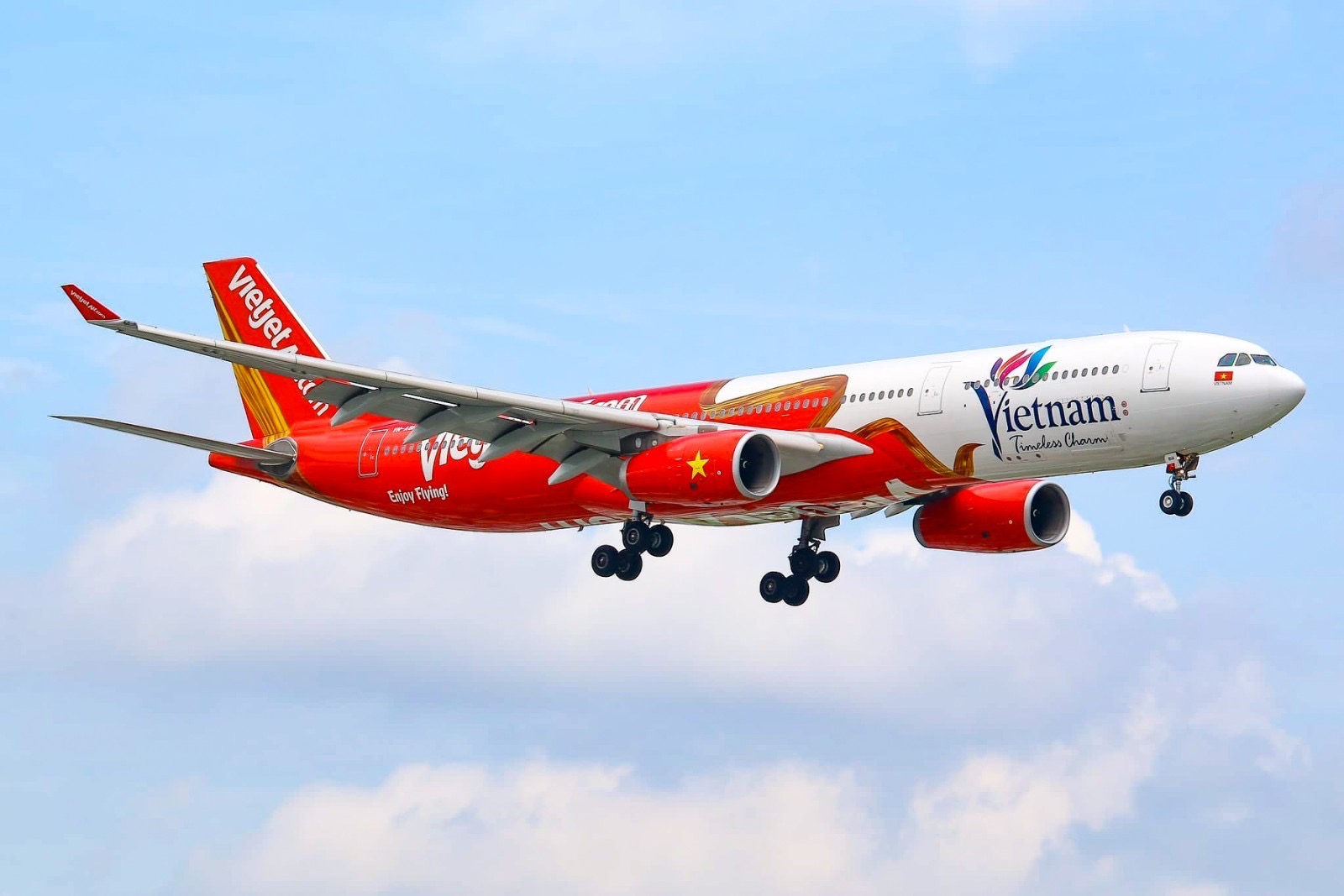
Comprehensive Summarization: Vietjet, a prominent airline in Vietnam, has recently signed multiple strategic agreements with leading U.S. corporations and financial...
Read moreDetails