






















Travel Capitalist Ventures Expands Check Size to $10 Million to Deepen Emerging Market Conviction
Boutique Travel VC raises investment cap from $1.5M to $10M to lead rounds and support portfolio companies through growth Travel...
Read moreDetails
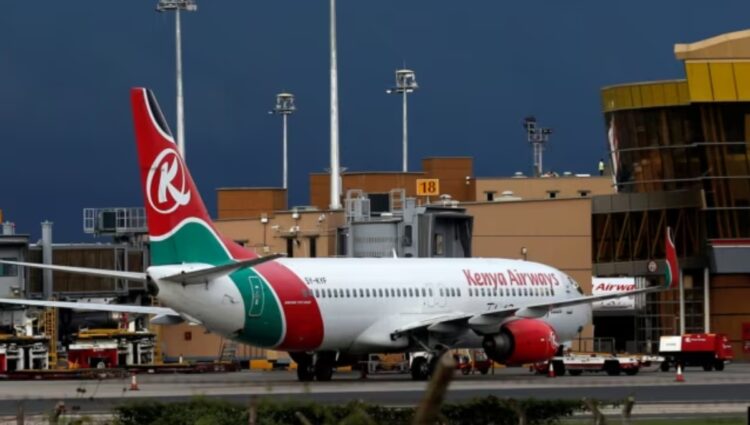
Kenya Airways diverts flights to Mombasa as low visibility hits JKIA
Comprehensive Summarization:
On April 10, 2026, several Kenya Airways flights were diverted to Moi International Airport in Mombasa due to low visibility affecting operations at Jomo Kenyatta International Airport (JKIA) in Nairobi. The national carrier announced that passengers should expect delays on both departures and arrivals as a result of the poor weather conditions. Kenya Airways stated that the diversions are a necessary safety precaution to ensure the well-being of passengers and crew. This incident highlights the ongoing challenges faced by the aviation industry in managing adverse weather conditions and underscores the importance of safety protocols in air travel.
Key Points:
Actionable Takeaways:
Enhanced Weather Monitoring Systems: Implementing advanced weather monitoring and forecasting systems can help airlines better anticipate and prepare for adverse weather conditions, minimizing disruptions and ensuring passenger safety. This aligns with the industry trend towards integrating technology for improved operational efficiency and safety.
Flexible Passenger Policies: Airlines should consider offering more flexible policies for passengers affected by weather-related delays, such as compensation or rebooking options. This not only addresses customer satisfaction but also reflects a growing trend in the travel industry towards customer-centric policies during disruptions.
Investment in Safety Protocols: Airlines should continue to invest in and refine their safety protocols, particularly in response to weather-related challenges. This includes training staff, upgrading aircraft systems, and ensuring clear communication with passengers during disruptions. This takeaway is crucial as safety remains a top priority in the aviation sector, especially in unpredictable weather scenarios.
Contextual Insights:
The diversion of Kenya Airways flights due to low visibility at JKIA underscores the ongoing challenges faced by the aviation industry in managing adverse weather conditions. This incident is reflective of a broader trend within the travel sector, where weather-related disruptions are becoming more frequent and complex due to climate change. The focus on safety protocols and passenger communication during such disruptions is a critical area of focus for airlines. Moreover, the incident highlights the importance of technological advancements in weather forecasting and operational management, areas where travel tech startups are increasingly innovating. As the industry moves forward, integrating these technological solutions and prioritizing customer-centric policies will be key to navigating the evolving landscape of air travel.
Read the Complete Article.
Boutique Travel VC raises investment cap from $1.5M to $10M to lead rounds and support portfolio companies through growth Travel...
Read moreDetails



Comprehensive Summarization: On April 10, 2026, several Kenya Airways flights were diverted to Moi International Airport in Mombasa due to...
Read moreDetails
