






No products in the cart.
- Latest
- Trending

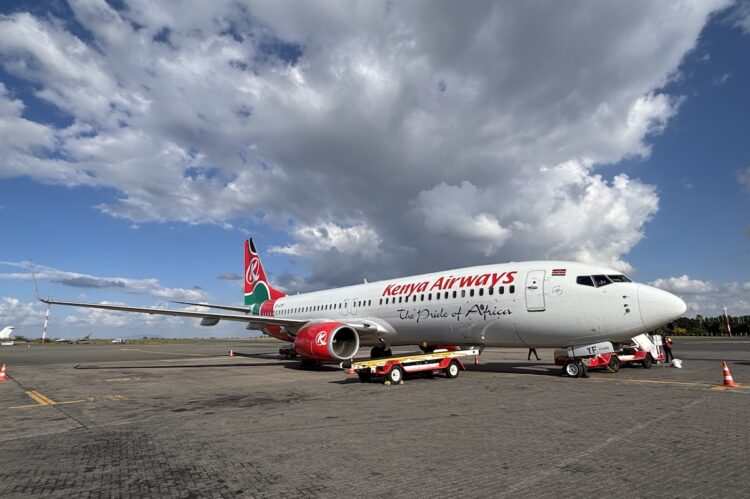
Miquel Ros / AeroTime
Comprehensive Summarization:
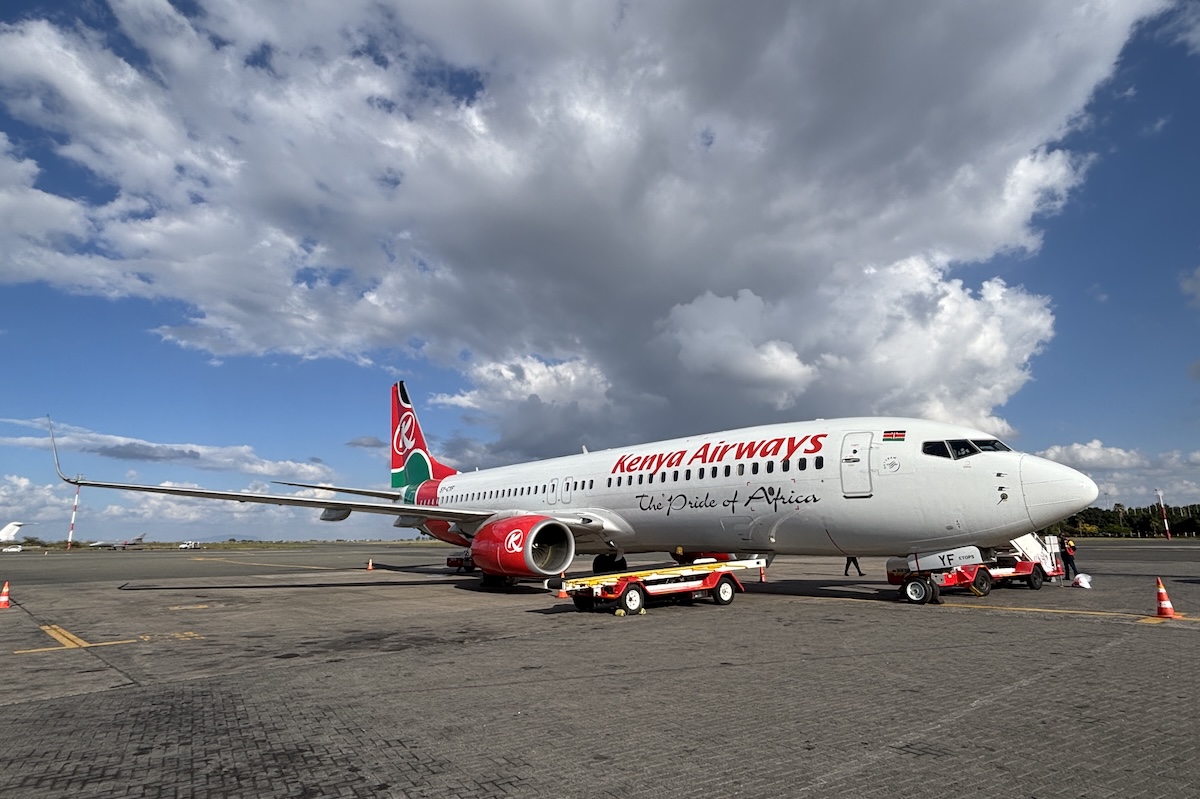
Kenya Airways reported a pre-tax loss of Ks 17.93 billion (approximately US$138.3 million) for 2025 in its March 24, 2026, financial report. The airline cited the grounding of one-third of its long-haul fleet as the primary reason for this loss, leading to an 18% decrease in Available Seat Kilometers (ASKs), a 13% reduction in passenger numbers, and a 14% drop in revenue. Despite these challenges, the article also touches on the broader travel industry trends and insights from thought leaders, highlighting the ongoing impact of fleet grounding on airline profitability and the broader implications for the travel sector.
Key Points:
Actionable Takeaways:
Operational Efficiency in Fleet Management: Airlines must critically evaluate their fleet management strategies, particularly in long-haul operations, to mitigate losses associated with grounding. This could involve optimizing fleet utilization, diversifying fleet types, or exploring partnerships to share resources and reduce financial risks.
Focus on Passenger and Cargo Recovery: With a significant drop in passenger numbers and revenue, airlines should prioritize strategies to boost passenger and cargo volumes. This could include targeted marketing campaigns, strategic route adjustments, and enhancing cargo services to diversify revenue streams.
Invest in Technology for Fleet Management: The article hints at the broader travel industry’s reliance on technology. Airlines should invest in advanced fleet management technologies to improve operational efficiency, reduce downtime, and enhance passenger and cargo handling capabilities.
Contextual Insights:
The financial challenges faced by Kenya Airways underscore the vulnerability of airlines to operational disruptions, such as fleet grounding, which can have cascading effects on revenue and profitability. This situation highlights the importance of diversification and resilience in the airline sector. Moreover, the article’s reference to broader travel industry trends suggests that the industry is experiencing a period of adjustment, with airlines needing to adapt to changing market conditions and technological advancements. Thought leaders emphasize the need for innovation in travel tech, fintech, and other sectors to support airlines in navigating these challenges. The insights provided are crucial for stakeholders in the travel industry, including airlines, investors, and policymakers, as they navigate the evolving landscape of global travel.
Read the Complete Article.
Get curated travel AI insights — choose the newsletters that matter to you.
This spot is reserved for brands with a compelling story for the travel trade. They use this space to cut...
Read moreDetailsALTOUR Expands into Thailand, Strengthening Corporate Travel Network Across Southeast Asia BANGKOK, THAILAND (25 March, 2026) – ALTOUR, a leading...
Read moreDetails


Comprehensive Summarization: The article discusses how Generation Z is set to significantly reshape the travel industry, highlighting the fundamental differences...
Read moreDetails