





















Travel Capitalist Ventures Expands Check Size to $10 Million to Deepen Emerging Market Conviction
Boutique Travel VC raises investment cap from $1.5M to $10M to lead rounds and support portfolio companies through growth Travel...
Read moreDetails
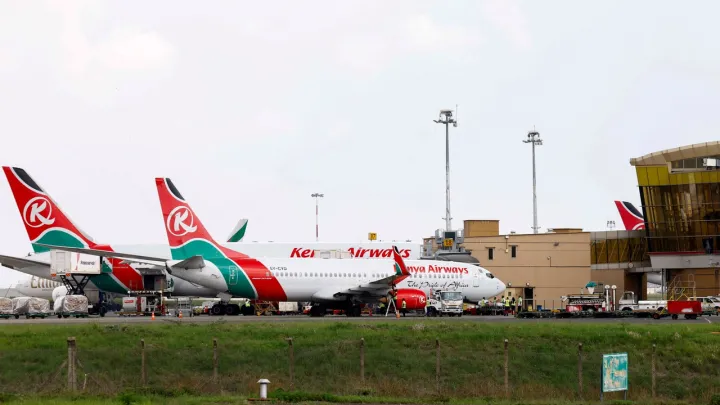
Kenya Airways has posted a pre-tax loss of $138 million in 2025. / Reuters
Comprehensive Summarization:
Kenya Airways reported a significant pre-tax loss of 17.93 billion shillings ($138.30 million) in 2025, marking a setback for one of Africa’s leading airlines. This loss is attributed to falling revenues, contrasting with the airline’s first pre-tax profit in more than a decade in 2024. The airline, operating a fleet of approximately 40 aircraft, noted a decline in total income from 188.50 billion shillings in 2024 to 161.47 billion shillings in 2025. The article underscores the challenges faced by Kenya Airways amidst broader travel industry trends, emphasizing the need for strategic adjustments to navigate revenue fluctuations.
Key Points:
Actionable Takeaways:
Revenue Diversification: Kenya Airways should explore diversifying its revenue streams to mitigate the impact of falling passenger revenues. This could involve increasing cargo services, exploring partnerships with other airlines, or expanding into new markets. Such strategies are crucial for maintaining financial stability in a volatile travel environment.
Operational Efficiency: To offset revenue losses, Kenya Airways should focus on improving operational efficiency. This could include optimizing flight schedules, reducing fuel consumption, and enhancing customer service to increase passenger loyalty. Enhanced efficiency can lead to cost savings, which are vital for navigating financial setbacks.
Investment in Technology: Adopting advanced travel technologies, such as AI-driven customer service solutions or digital ticketing systems, can streamline operations and enhance the passenger experience. Investing in technology not only improves efficiency but also positions Kenya Airways competitively in the evolving travel industry landscape.
Contextual Insights:
The article reflects the broader challenges faced by the airline industry, particularly in Africa, where revenue fluctuations are a common issue. Kenya Airways’ experience underscores the importance of adaptability and innovation in maintaining profitability. The airline’s reliance on falling revenues highlights the need for strategic adjustments, such as diversifying income sources and enhancing operational efficiency. These insights are pertinent to the current travel industry trends, where airlines are increasingly focusing on digital transformation and sustainable practices to remain competitive. Kenya Airways’ situation serves as a cautionary tale for other airlines, emphasizing the necessity of proactive measures to address revenue challenges and ensure long-term sustainability.
Read the Complete Article.
Boutique Travel VC raises investment cap from $1.5M to $10M to lead rounds and support portfolio companies through growth Travel...
Read moreDetails



Comprehensive Summarization: Kenya Airways reported a significant pre-tax loss of 17.93 billion shillings ($138.30 million) in 2025, marking a setback...
Read moreDetails
