



















Travel Capitalist Ventures Expands Check Size to $10 Million to Deepen Emerging Market Conviction
Boutique Travel VC raises investment cap from $1.5M to $10M to lead rounds and support portfolio companies through growth Travel...
Read moreDetails
Yonhap
Article Summary:
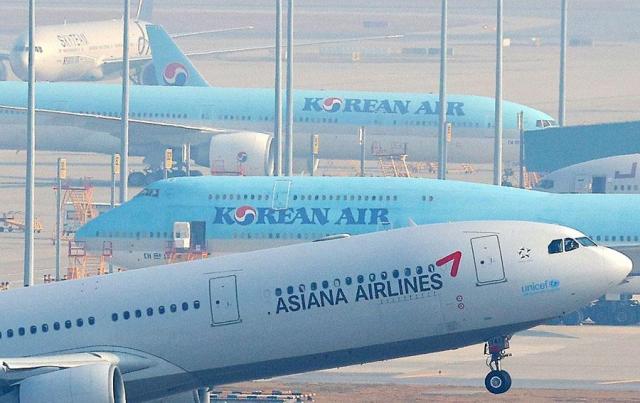
The article reports that Korean Air, the country’s flagship carrier, disclosed that personal information of approximately 30,000 of its employees was leaked due to a hacking attack on KC&D, the airline’s supplier for in-flight meals and onboard sales. The leaked data includes employees’ names and bank details, raising significant security concerns in the wake of recent widespread data breaches across various industries.
Key Points:
Actionable Takeaways:
Contextual Insights:
The incident underscores the critical importance of robust cybersecurity measures in the travel industry, especially for airlines that handle vast amounts of personal and financial data. Recent trends indicate a growing vulnerability to cyber threats, with multiple sectors experiencing significant breaches. This highlights the need for the travel industry to adopt proactive and innovative approaches to data security. The rise of fintech and advanced travel technologies also brings new vulnerabilities, necessitating a continuous evaluation and upgrade of security frameworks. Forward-looking insights suggest that travel companies must prioritize cybersecurity not only to protect their assets but also to build and maintain customer trust in an era where data breaches can have severe reputational and financial repercussions.
Read the Complete Article.
Boutique Travel VC raises investment cap from $1.5M to $10M to lead rounds and support portfolio companies through growth Travel...
Read moreDetails



Comprehensive Summarization: The World Travel & Tourism Council (WTTC) has released its latest report, "Cruising for Impact," which highlights the...
Read moreDetails
