



















Travel Capitalist Ventures Expands Check Size to $10 Million to Deepen Emerging Market Conviction
Boutique Travel VC raises investment cap from $1.5M to $10M to lead rounds and support portfolio companies through growth Travel...
Read moreDetails
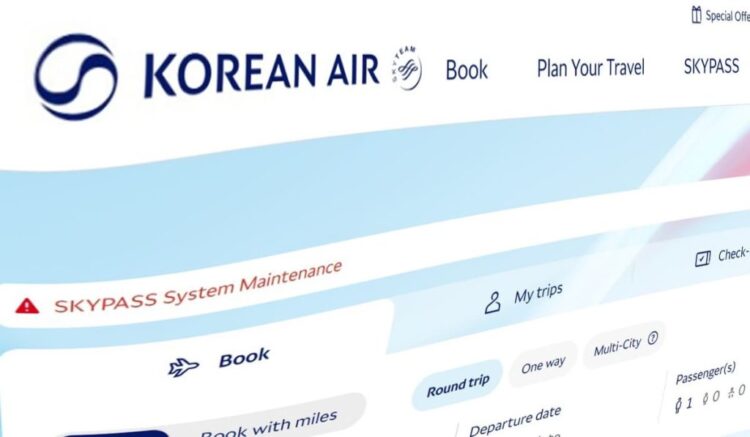
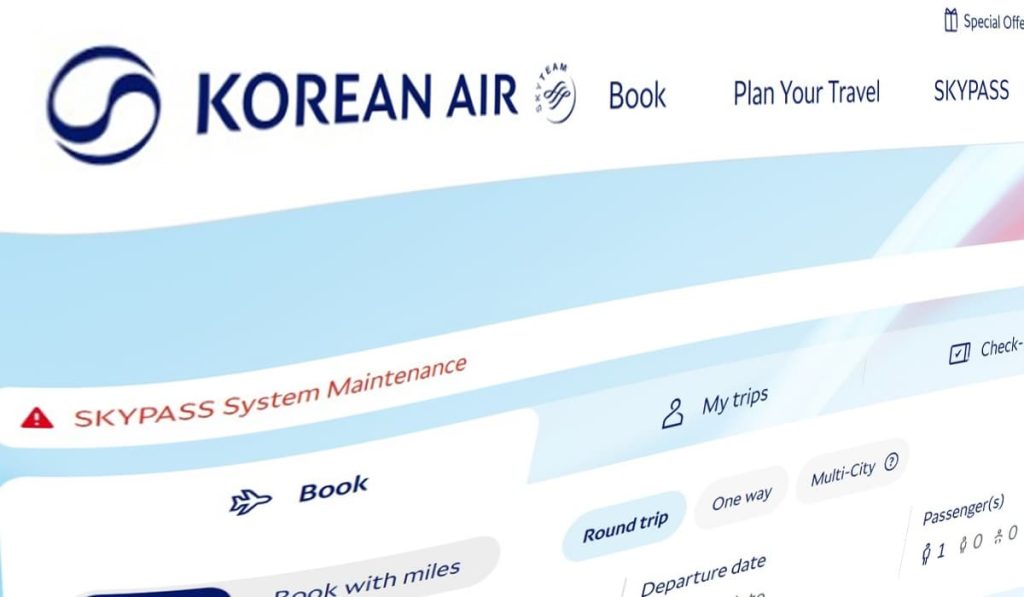
Official breach notice from Korean Air (source: Korea JoongAng Daily)
Article Summary:
Korean Air has confirmed that the personal details of approximately 30,000 current and former employees have been compromised in a data breach. This incident occurred on December 29, 2025, following a similar security issue at Asiana Airlines, where 10,000 staff records were stolen earlier this month. The breach did not originate from Korean Air’s main systems but from an unspecified source, highlighting potential vulnerabilities in employee data security within the aviation industry.
Key Points:
Actionable Takeaways:
Contextual Insights:
The recent data breaches at Korean Air and Asiana Airlines underscore the growing vulnerability of the aviation industry to cyber threats. As the travel sector continues to digitize operations and collect vast amounts of personal data, the risk of security breaches increases. This trend is supported by emerging travel trends that emphasize the integration of technology in enhancing customer experiences, often at the expense of data security. Thought leaders in the industry are advocating for a balanced approach, where technological advancements are pursued without compromising data protection. The incidents at Korean Air and Asiana Airlines serve as critical reminders for the industry to prioritize cybersecurity, ensuring that innovations in travel tech do not come at the cost of employee data integrity.
Read the Complete Article.
Boutique Travel VC raises investment cap from $1.5M to $10M to lead rounds and support portfolio companies through growth Travel...
Read moreDetails



New Orleans, USA — April 2024 In short: U.S. hotels reported a 3.6% rise in RevPAR year-over-year in the first...
Read moreDetails
