




















Travel Capitalist Ventures Expands Check Size to $10 Million to Deepen Emerging Market Conviction
Boutique Travel VC raises investment cap from $1.5M to $10M to lead rounds and support portfolio companies through growth Travel...
Read moreDetails
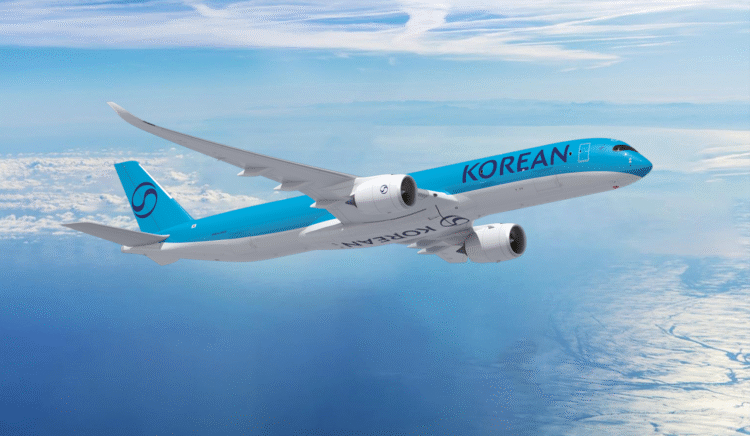
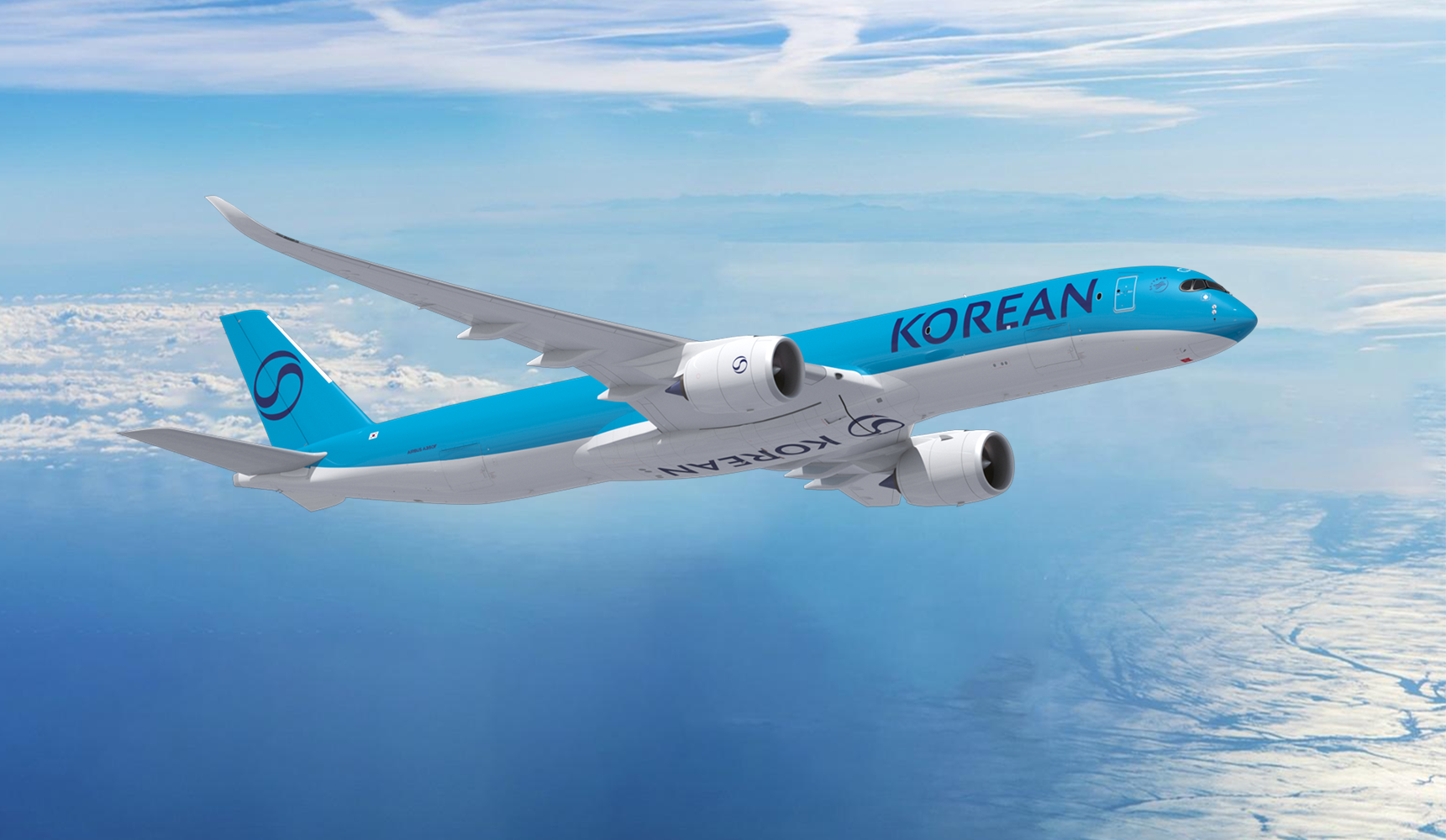
Airbus Signs Korean Air as New A350F Customer via Conversion of 7 Aircraft in Orderbook
Article Summary:
Airbus has announced that Korean Air will convert seven of its existing A350-1000 passenger aircraft orders to the all-new A350F freighter. This move positions Korean Air as a new customer for the A350F, which is described as the only "all-new large freighter" under development. Airbus views this selection as a "very significant endorsement of the aircraft’s unique capabilities." As of the end of September 2025, the A350 family had achieved significant milestones, though specific details are not provided in the article.
Key Points:
Actionable Takeaways:
Contextual Insights:
The announcement of Korean Air’s conversion to the A350F freighter reflects broader trends in the aviation industry, particularly the increasing focus on efficiency and sustainability in air freight operations. As airlines seek to optimize their logistics capabilities, the adoption of advanced freighter technologies like the A350F becomes crucial. This trend is likely to influence other airlines to explore similar conversions, potentially leading to a surge in demand for freighter aircraft. Furthermore, the development of the A350F underscores Airbus’s commitment to innovation in the aviation sector, positioning the company as a leader in developing cutting-edge aircraft solutions. This aligns with the current industry focus on sustainability and efficiency, as airlines strive to reduce their environmental impact while enhancing operational capabilities. The move also highlights the importance of strategic partnerships and investments in technology to stay competitive in the rapidly evolving travel and logistics landscape.
Read the Complete Article.
Boutique Travel VC raises investment cap from $1.5M to $10M to lead rounds and support portfolio companies through growth Travel...
Read moreDetails




