



















Travel Capitalist Ventures Expands Check Size to $10 Million to Deepen Emerging Market Conviction
Boutique Travel VC raises investment cap from $1.5M to $10M to lead rounds and support portfolio companies through growth Travel...
Read moreDetails
Airline Mayhem Hits Asia as China Eastern, Hainan, Shenzhen, All Nippon, Korean Air, Malaysia and ot...
Article Summary:
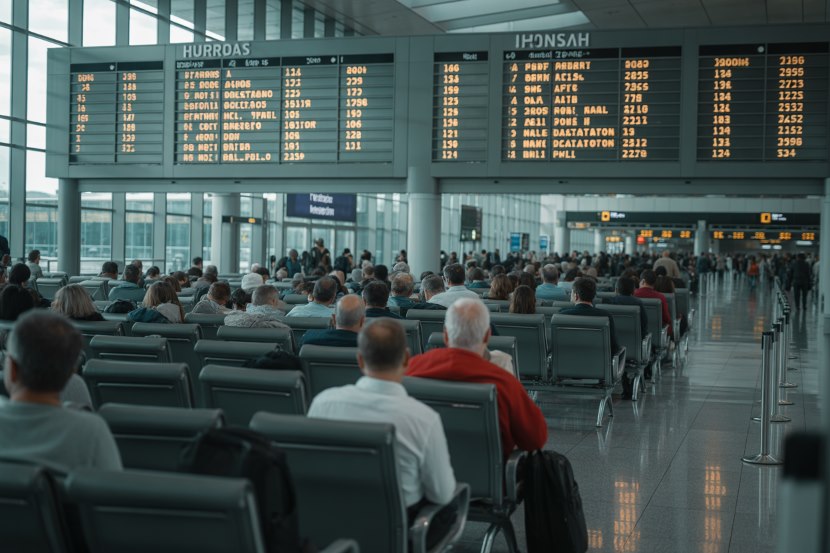
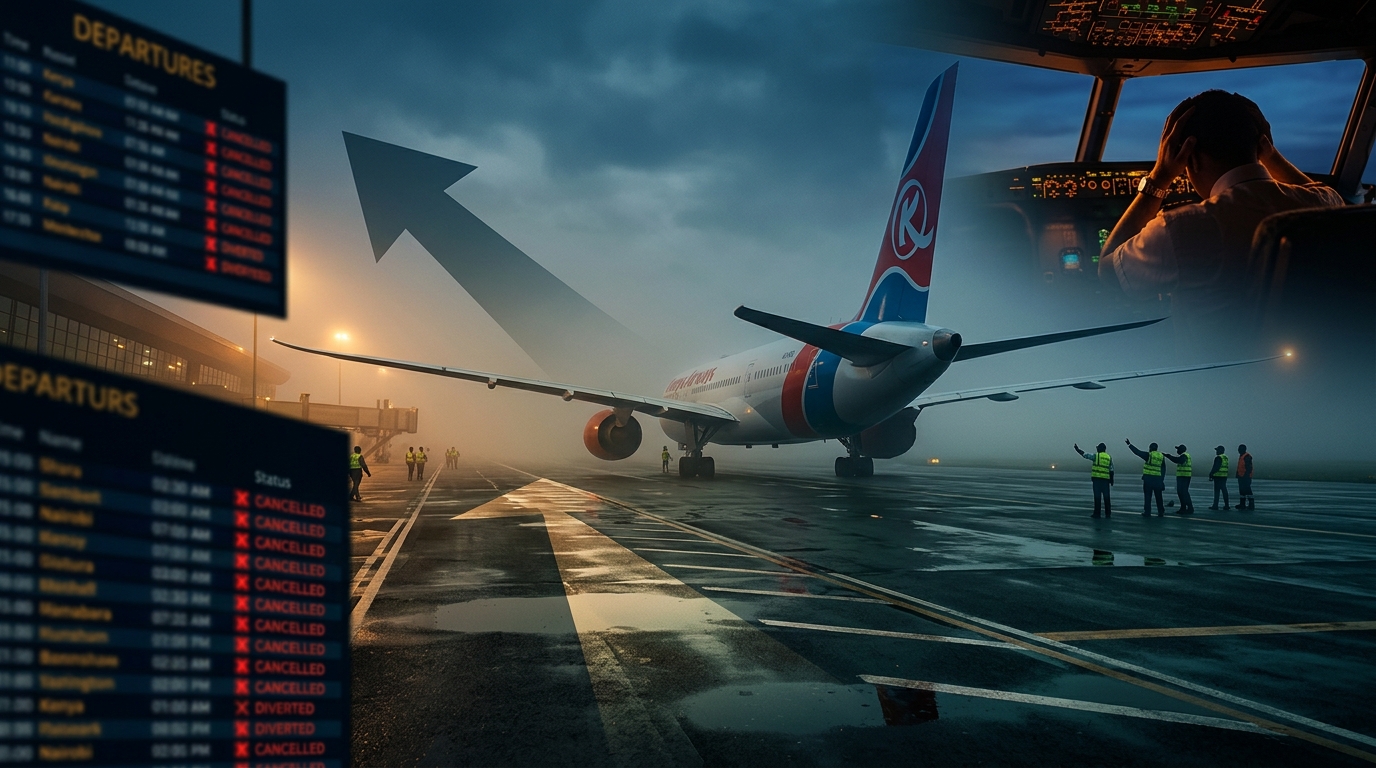
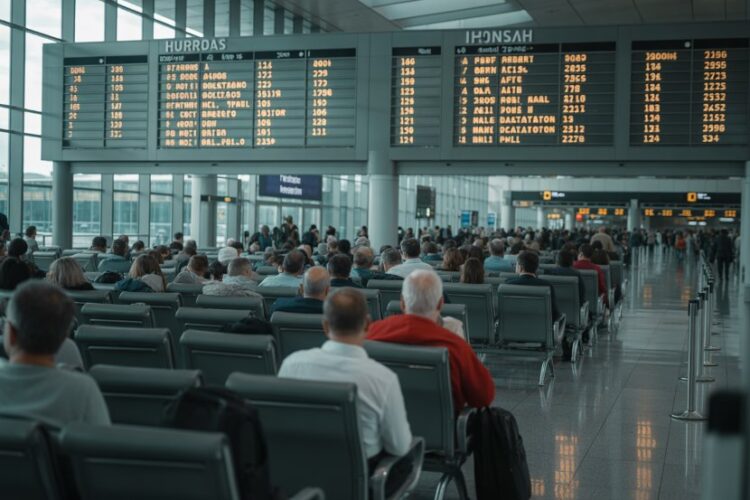
In a significant disruption to air travel across Asia, China Eastern, Hainan, Shenzhen, All Nippon, Korean Air, Malaysia, and other airlines collectively canceled 94 flights and delayed 858, stranding thousands of passengers in major cities such as Beijing, Shanghai, Narita, Fukuoka, and Kuala Lumpur. This event, reported on December 9, 2025, highlights the vulnerabilities in the Asian air travel network and underscores the need for improved resilience in travel logistics.
Key Points:
Actionable Takeaways:
Contextual Insights:
The recent disruption in Asian air travel underscores the critical importance of operational resilience in the travel industry. The cancellation of 94 flights and the delay of 858 flights across major airlines in the region highlight the vulnerabilities that can arise from logistical and operational challenges. This event is a stark reminder of the need for airlines and travel companies to invest in advanced technologies and robust systems to manage and mitigate disruptions effectively.
In the context of current industry trends, the emphasis on resilience and efficiency is more relevant than ever. With the rapid advancement of travel technologies and the increasing integration of fintech solutions, there is a growing opportunity for startups to innovate in areas such as real-time flight tracking, automated communication systems, and predictive analytics for travel disruptions. These innovations can help airlines and travel companies not only recover from disruptions more swiftly but also enhance the overall travel experience for passengers.
Moreover, the incident highlights the importance of regional collaboration in travel logistics. As air travel continues to be a vital component of global connectivity, strengthening regional air travel infrastructure and fostering cooperation among airlines can significantly reduce the impact of disruptions. This could involve joint efforts in improving airport capacity, enhancing security protocols, and developing standardized operational procedures that can be quickly implemented during crises.
In conclusion, while the recent disruptions in Asian air travel present significant challenges, they also offer an opportunity for the industry to innovate and improve. By focusing on resilient systems, effective communication, and regional collaboration, the travel industry can better navigate future disruptions and enhance the overall travel experience for passengers.
Read the Complete Article.
Boutique Travel VC raises investment cap from $1.5M to $10M to lead rounds and support portfolio companies through growth Travel...
Read moreDetails



New Orleans, USA — April 2024 In short: U.S. hotels reported a 3.6% rise in RevPAR year-over-year in the first...
Read moreDetails
