



















Travel Capitalist Ventures Expands Check Size to $10 Million to Deepen Emerging Market Conviction
Boutique Travel VC raises investment cap from $1.5M to $10M to lead rounds and support portfolio companies through growth Travel...
Read moreDetails
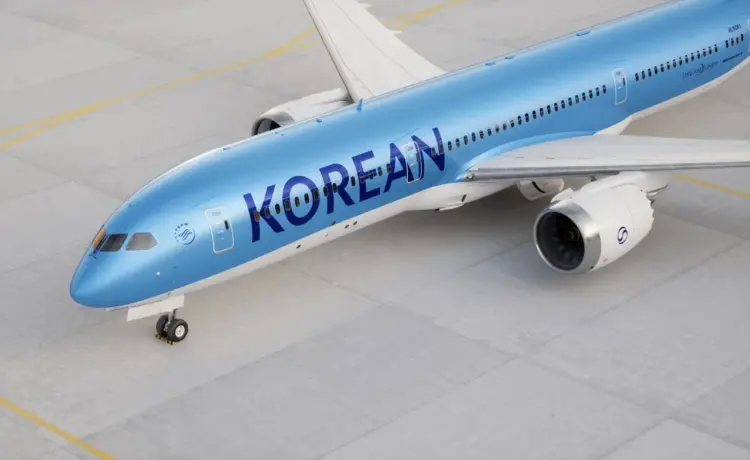
Asiana Airlines Airbus A380 © T-J Darmstadt
Comprehensive Summarization:
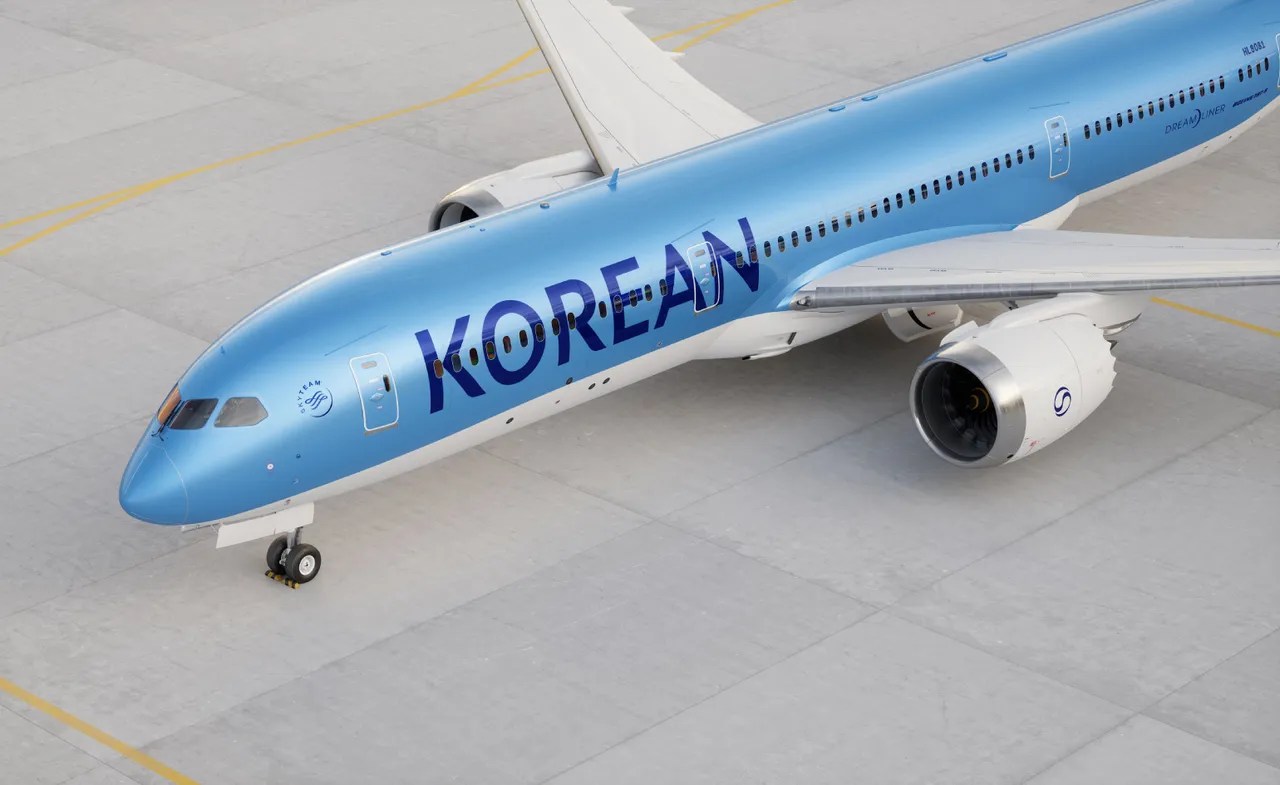
Korean Air is planning to acquire the remaining 36.1% stake in Asiana Airlines, which it currently owns 63.9% of. This move aims to consolidate the two airlines into a single structure, with the intention of gradually phasing out the Asiana brand starting in December 2026. The Chairman and Chief Executive of Korean Air, Cho Won-Tae, has outlined these strategic changes, signaling a significant shift in the airline industry landscape. The acquisition is expected to streamline operations, enhance competitive positioning, and potentially lead to cost efficiencies and improved service offerings.
Key Points:
Actionable Takeaways:
Strategic Consolidation: The planned merger between Korean Air and Asiana Airlines represents a significant consolidation in the airline industry. For stakeholders, this could mean increased operational efficiencies, economies of scale, and potentially lower fares for consumers. It also signals a trend towards fewer, larger airlines dominating the market, which could reshape competitive dynamics.
Brand Phasing Out: The decision to gradually phase out the Asiana brand starting in December 2026 suggests a strategic move to create a unified brand identity under Korean Air. This could enhance brand recognition and customer loyalty under the Korean Air umbrella, potentially leading to increased market share and customer retention. For airlines and travel tech companies, this highlights the importance of brand strategy in mergers and acquisitions, emphasizing the need for a cohesive brand narrative post-merger.
Market Positioning: With the merger, Korean Air is likely to strengthen its market position, especially in regions where both airlines operate. This could lead to increased competition in the Asia-Pacific region, prompting other airlines to innovate and differentiate their offerings. For startups and existing airlines, this underscores the importance of agility and innovation to stay competitive in a rapidly evolving market.
Contextual Insights:
The merger between Korean Air and Asiana Airlines is a strategic response to the evolving dynamics of the global airline industry. Recent trends indicate a shift towards consolidation, driven by the need for economies of scale, improved operational efficiencies, and the ability to compete in a market dominated by a few major players. This move aligns with broader industry trends where airlines are leveraging technology and data analytics to enhance customer experience and operational efficiency.
Moreover, the phased removal of the Asiana brand reflects a broader industry trend where airlines are focusing on creating a unified brand identity to enhance customer loyalty and streamline operations. This strategic move is particularly relevant in the context of increasing consumer expectations for seamless travel experiences, where a consistent brand experience across all touchpoints is crucial.
In terms of travel tech and fintech, this consolidation could lead to increased investment in digital platforms and services aimed at enhancing the customer journey. For startups in the travel sector, this presents an opportunity to partner with or acquire by larger players, leveraging their scale and resources to innovate and capture market share. The focus on brand consolidation also highlights the importance of data-driven decision-making, as airlines increasingly rely on analytics to optimize routes, pricing, and customer service.
Read the Complete Article.
Boutique Travel VC raises investment cap from $1.5M to $10M to lead rounds and support portfolio companies through growth Travel...
Read moreDetails



Comprehensive Summarization: Korean Air is planning to acquire the remaining 36.1% stake in Asiana Airlines, which it currently owns 63.9%...
Read moreDetails