

![Boy band BTS [HYBE]](https://images.traveltrade.today/wp-content/uploads/2026/04/Seoul-Hosts-BTS-Fan-Events-for-City-Arirang-Seoul.jpg)























Travel Capitalist Ventures Expands Check Size to $10 Million to Deepen Emerging Market Conviction
Boutique Travel VC raises investment cap from $1.5M to $10M to lead rounds and support portfolio companies through growth Travel...
Read moreDetails
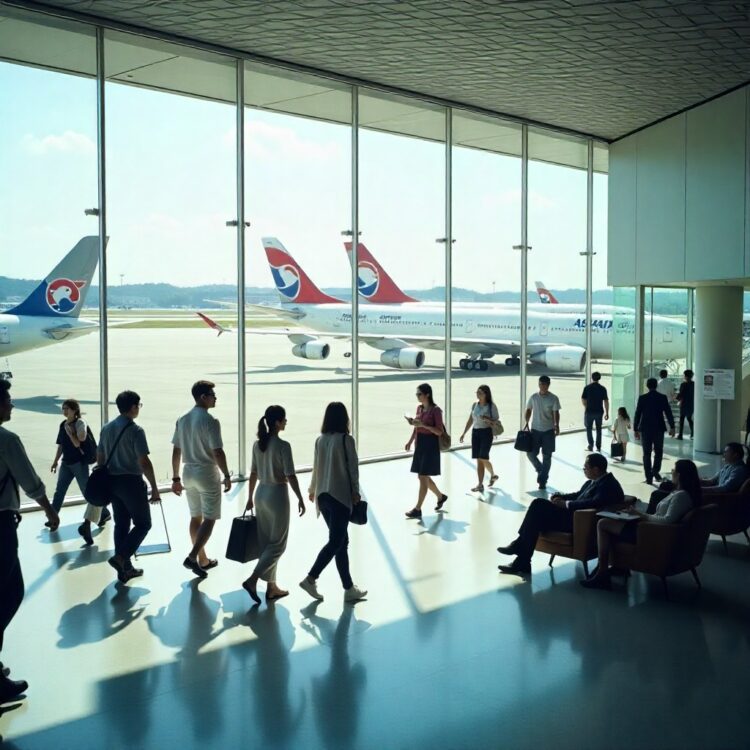
Asiana Airlines Joins Korean Air at Incheon’s Terminal 2 – Here’s How This Major Change Will Transfo...
Article Summary:
Asiana Airlines and Korean Air are set to relocate their operations to Incheon International Airport’s Terminal 2, starting January 14, 2026. This move is anticipated to significantly enhance the travel experience for passengers from China, Japan, and the U.S., thereby transforming travel dynamics and boosting tourism in South Korea. The article highlights the strategic significance of this development in the context of South Korea’s tourism industry and the broader travel sector.
Key Points:
Actionable Takeaways:
Enhanced Connectivity: The relocation of Asiana Airlines and Korean Air to Terminal 2 will likely increase flight frequency and improve connectivity for travelers from China, Japan, and the U.S. This could lead to a surge in tourism from these regions, benefiting South Korea’s travel and hospitality sectors.
Strategic Positioning: By focusing on Terminal 2, the airlines are strategically positioning themselves to capitalize on the growing demand for travel to South Korea. This move could set a precedent for other airlines to follow, potentially leading to increased competition and innovation in air travel services.
Investment in Infrastructure: The decision underscores the importance of airport infrastructure in enhancing the travel experience. Airlines and airports must continue to invest in state-of-the-art facilities to meet the evolving needs of global travelers, thereby driving further growth in the travel industry.
Contextual Insights:
The relocation of Asiana Airlines and Korean Air to Terminal 2 of Incheon International Airport is a strategic move that aligns with broader industry trends towards enhancing connectivity and improving the travel experience. This development is particularly relevant in the context of South Korea’s tourism industry, which has been experiencing a resurgence in interest from international travelers, especially from regions like China, Japan, and the U.S. The move reflects a broader industry trend where airlines are increasingly focusing on optimizing their operational hubs to better serve key markets and enhance passenger satisfaction.
Moreover, this development highlights the critical role of airport infrastructure in shaping the travel experience. As airlines seek to offer seamless and efficient travel experiences, the emphasis on modernizing and expanding airport facilities becomes paramount. This trend is likely to influence other airlines and airports globally, prompting them to invest in similar upgrades to remain competitive in the rapidly evolving travel landscape.
In conclusion, the relocation of Asiana Airlines and Korean Air to Terminal 2 of Incheon International Airport is a significant development that is expected to have far-reaching implications for the travel industry. By enhancing connectivity and boosting tourism, this move not only benefits the airlines but also contributes to the broader economic and cultural exchange facilitated by international travel.
Read the Complete Article.
Boutique Travel VC raises investment cap from $1.5M to $10M to lead rounds and support portfolio companies through growth Travel...
Read moreDetails



Comprehensive Summarization: Kenya Airways is currently offering discounted flights to New York for travelers planning to attend the 2026 FIFA...
Read moreDetails
