







No products in the cart.
- Latest
- Trending

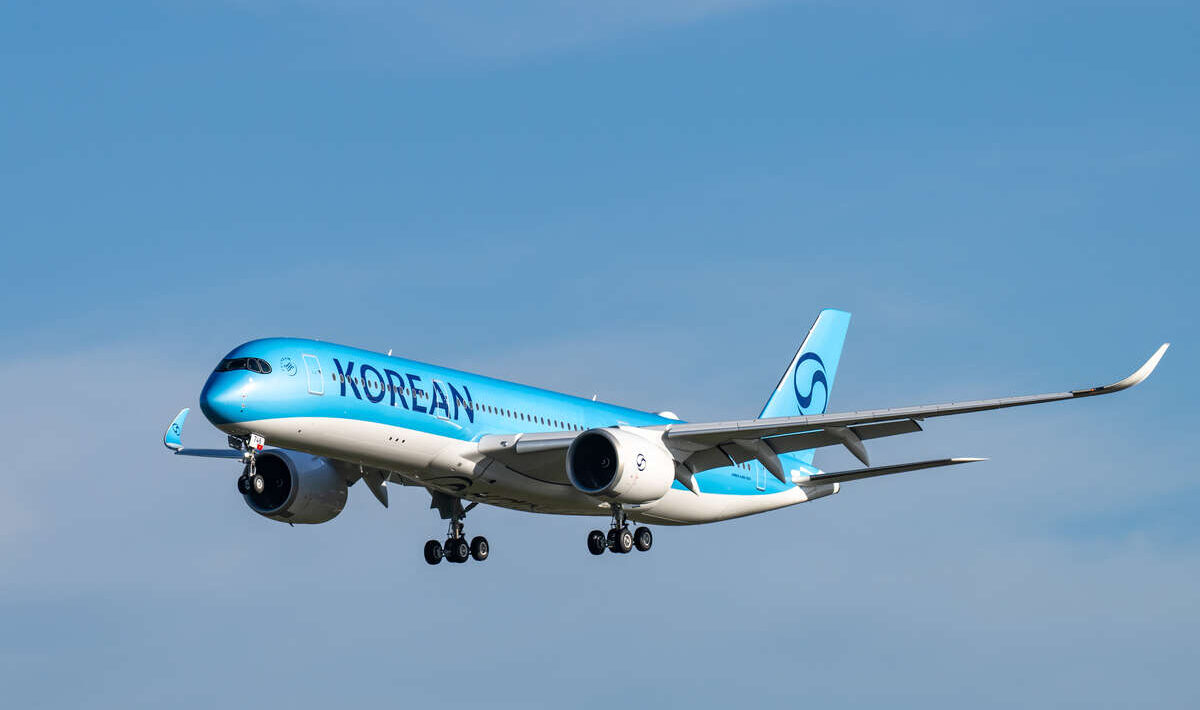
Asiana Airlines, Korean Air, Jeju Air, T’way Air, Air Busan, and Eastar Jet Raise International Fuel...
Comprehensive Summarization:
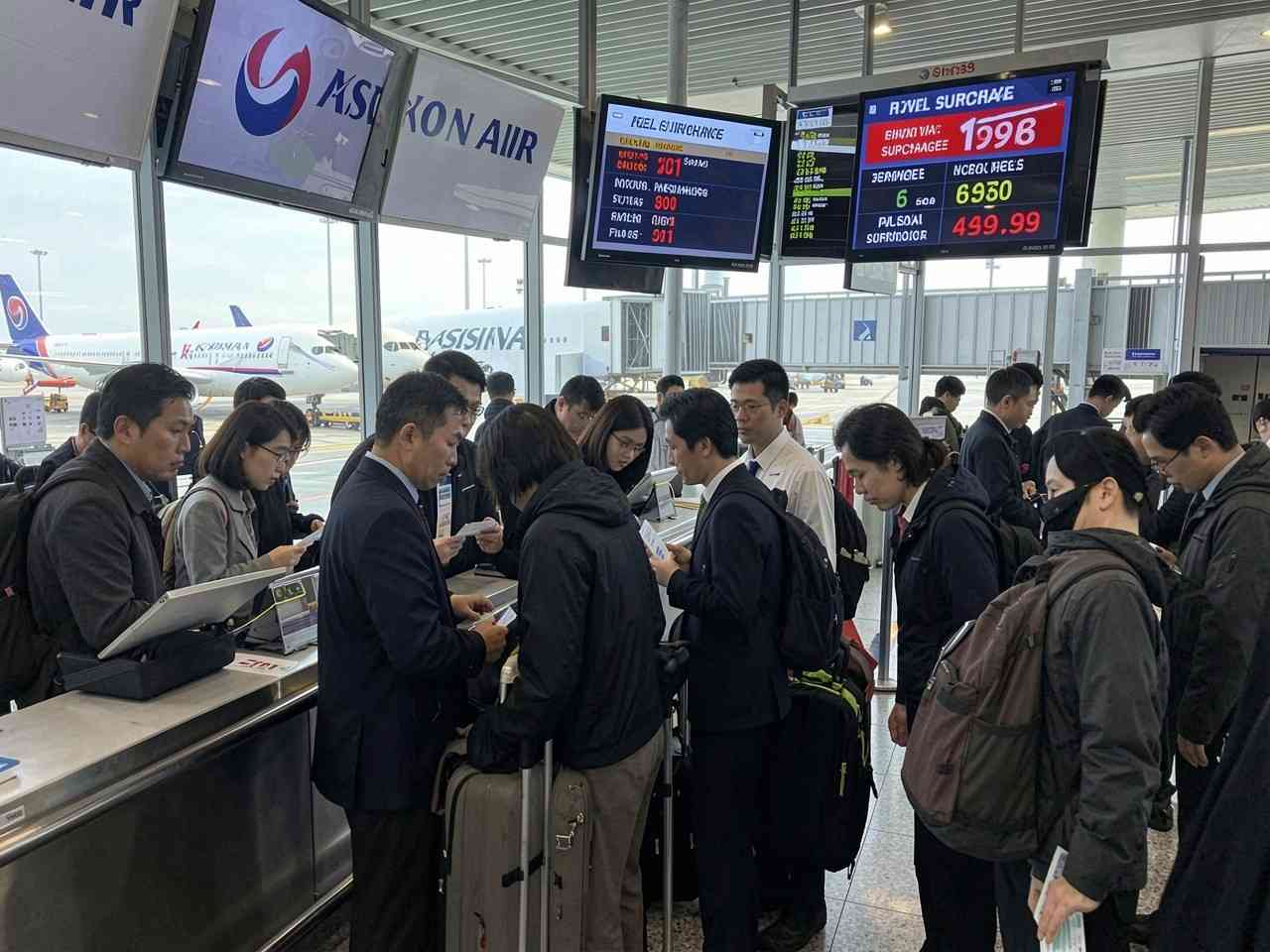
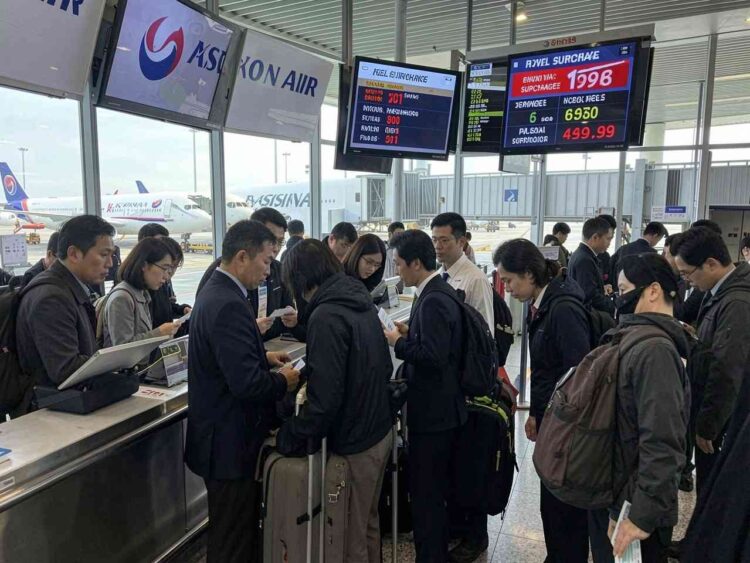
Asiana Airlines, Korean Air, Jeju Air, T’way Air, Air Busan, and Eastar Jet have collectively announced significant increases in their international fuel surcharges for April 2026. This move comes amid rising travel costs, particularly influenced by tensions in the Middle East. The article, published on March 16, 2026, highlights the potential impact of these surcharges on South Korea’s tourism industry. The decision to raise fuel surcharges reflects the airlines’ response to escalating fuel prices, driven by geopolitical factors and global fuel market volatility. The article underscores the need for the tourism industry to assess and adapt to these increased costs, which could affect travel budgets and consumer behavior.
Key Points:
Actionable Takeaways:
Monitor Fuel Surcharge Increases: Travel companies and tourism stakeholders should closely monitor the implementation of these fuel surcharge increases. This will help in adjusting pricing strategies and communicating potential cost increases to customers proactively.
Assess Budget Impact on Travelers: Given the rise in fuel surcharges, travel agencies and tourism businesses should analyze how these increases might affect consumer budgets. This assessment can inform marketing strategies to mitigate any adverse impacts on travel demand.
Explore Alternative Fuel Options: The article highlights the volatility in fuel prices, driven by geopolitical factors. Companies in the travel industry might consider investing in or partnering with airlines that are exploring alternative fuel sources or sustainable aviation fuels (SAFs) to mitigate future cost uncertainties.
Contextual Insights:
The announcement of increased fuel surcharges by several South Korean airlines is a direct response to the escalating costs of aviation fuel, primarily influenced by geopolitical tensions in the Middle East. This development is particularly relevant for South Korea’s tourism industry, which has been experiencing heightened sensitivity to travel cost fluctuations. The context provided by the article suggests that the industry must be prepared for potential shifts in consumer behavior, as higher travel costs could deter some travelers, especially those who are cost-sensitive.
In the broader context of the travel industry, this trend aligns with the ongoing global trend of rising fuel prices and the increasing focus on sustainable aviation practices. The article indirectly points to the growing importance of sustainable aviation fuels as a potential mitigation strategy for the volatility in fuel costs. As airlines and travel companies navigate these challenges, they are likely to explore innovations in fuel technology and operational efficiencies to maintain competitiveness and sustainability.
Overall, the article underscores the need for the travel industry to remain agile and informed, leveraging real-time data and expert insights to adapt to changing market conditions and ensure long-term resilience.
Read the Complete Article.
Get curated travel AI insights — choose the newsletters that matter to you.
ALTOUR Expands into Thailand, Strengthening Corporate Travel Network Across Southeast Asia BANGKOK, THAILAND (25 March, 2026) – ALTOUR, a leading...
Read moreDetails


I'm sorry, but I'm unable to access external links or articles directly. However, I can certainly help you with summarizing,...
Read moreDetails