
![Boy band BTS [HYBE]](https://images.traveltrade.today/wp-content/uploads/2026/04/Seoul-Hosts-BTS-Fan-Events-for-City-Arirang-Seoul.jpg)























Travel Capitalist Ventures Expands Check Size to $10 Million to Deepen Emerging Market Conviction
Boutique Travel VC raises investment cap from $1.5M to $10M to lead rounds and support portfolio companies through growth Travel...
Read moreDetails
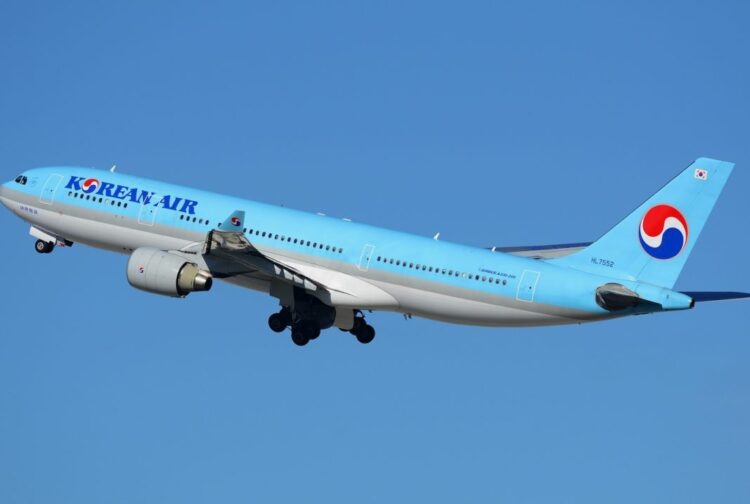
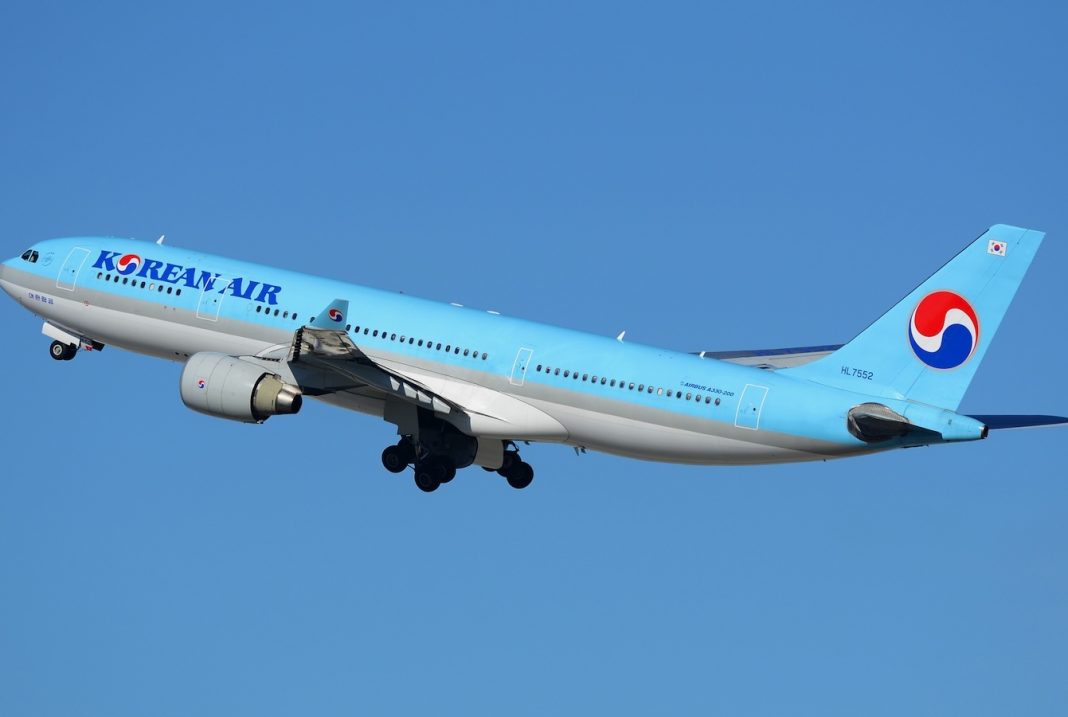
Asiana name to disappear in Korean Air integration
Article Summary:
The Asiana Airlines brand is set to disappear as part of the integration process following the merger between Korean Air and Asiana. The main airline business will operate under the Korean Air brand, while the group’s three low-cost airlines—Jin Air, Air Busan, and Air Seoul—will be integrated into a single brand called Jin Air. This integration aims to streamline air and ground logistics across the combined entities.
Key Points:
Actionable Takeaways:
Contextual Insights:
The integration of Asiana and Korean Air, along with the consolidation of their low-cost subsidiaries, underscores a broader trend in the travel industry towards consolidation and strategic rebranding. This move is likely influenced by the need to enhance operational efficiency, reduce costs, and strengthen market positioning in a competitive landscape. As the travel industry continues to evolve, such strategic integrations are becoming increasingly common, driven by the need to adapt to changing consumer demands and technological advancements. The focus on integrating air and ground logistics further highlights the importance of operational synergy in modern travel management, suggesting that similar strategies may be adopted by other airlines and travel service providers to stay competitive.
Handling Different Article Types:
The article provided is a news blurb, presenting factual information about a significant strategic move within the airline industry. The summary, key points, and actionable takeaways are structured to reflect the concise and factual nature of the content, ensuring clarity and relevance for a professional audience.
Read the Complete Article.
Boutique Travel VC raises investment cap from $1.5M to $10M to lead rounds and support portfolio companies through growth Travel...
Read moreDetails



Comprehensive Summarization: Kenya Airways is currently offering discounted flights to New York for travelers planning to attend the 2026 FIFA...
Read moreDetails
