






















Travel Capitalist Ventures Expands Check Size to $10 Million to Deepen Emerging Market Conviction
Boutique Travel VC raises investment cap from $1.5M to $10M to lead rounds and support portfolio companies through growth Travel...
Read moreDetails
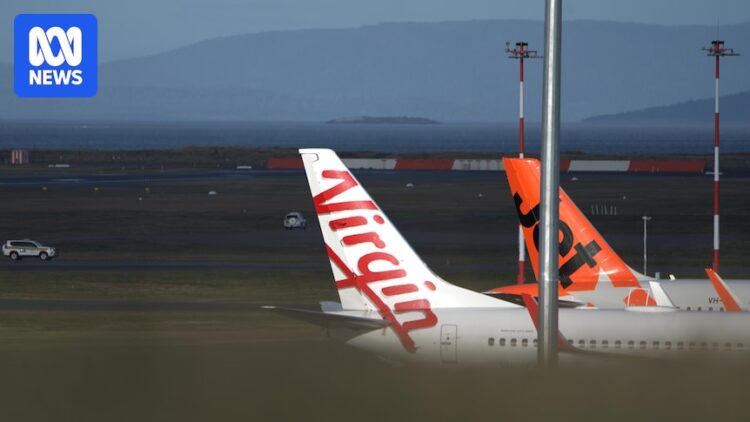
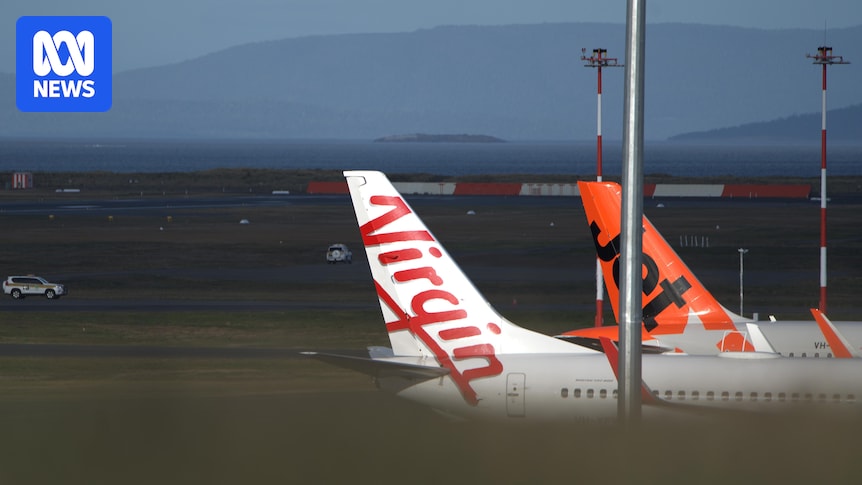
The use of power banks has been banned from all Virgin, Jetstar, and Qantas planes. (ABC News: Kate Nickels)
Article Summary:
The article reports that major Australian airlines, including Qantas, QantasLink, Jetstar, and Virgin Australia, have unanimously decided to prohibit passengers from using power banks on board their flights starting December 15 for Qantas, QantasLink, and Jetstar, and December 1 for Virgin Australia. This decision is aimed at mitigating fire risks on board. The safety measures will apply to all domestic and international services, with no exemptions.
Key Points:
Actionable Takeaways:
Contextual Insights:
The ban on power banks on board flights reflects a broader trend in the travel industry towards enhanced safety measures, especially in the wake of heightened awareness of fire risks associated with lithium-ion batteries. This move aligns with the industry’s ongoing efforts to integrate advanced technologies for safety and efficiency. Looking ahead, the travel sector may witness increased adoption of smart charging solutions and the development of more robust fire-resistant materials in aircraft interiors. Additionally, this decision could spur innovation in the travel tech sector, particularly in the development of portable power solutions that comply with airline regulations, potentially benefiting startups in the fintech space that offer travel-related financial services.
Read the Complete Article.
Boutique Travel VC raises investment cap from $1.5M to $10M to lead rounds and support portfolio companies through growth Travel...
Read moreDetails




