






No products in the cart.
- Latest
- Trending


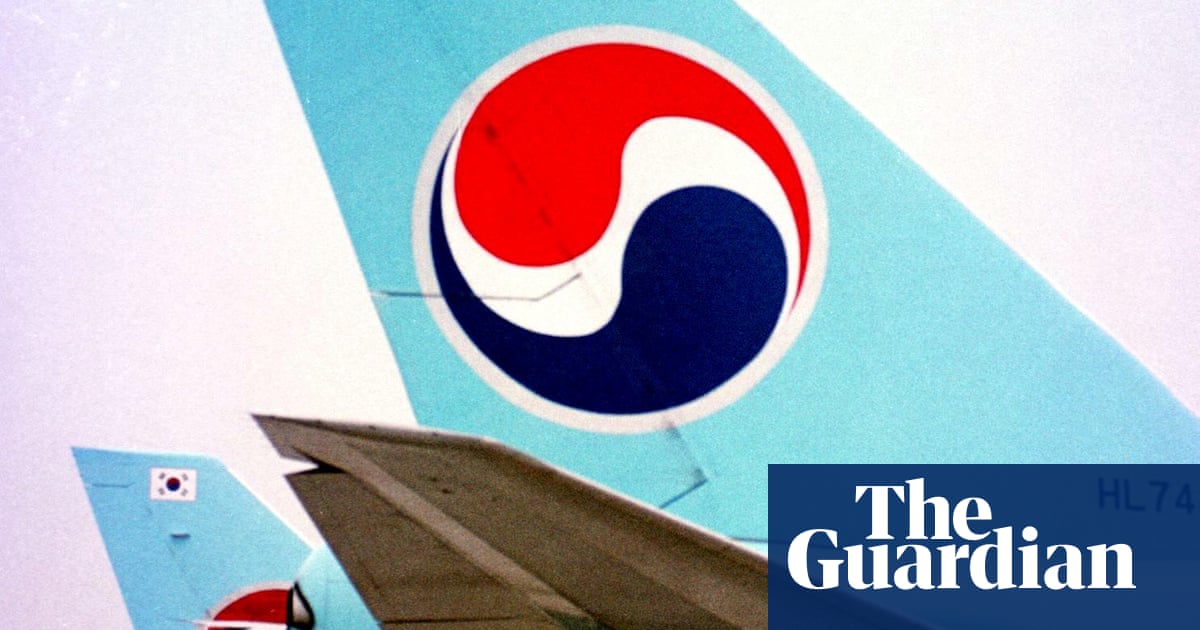
South Korean airlines have asked their government to redirect export-bound jet fuels back to the domestic market in a move which may threaten Australian imports of the critical resource amid the ongoing fuel crisis. Photograph: EPA
Comprehensive Summarization:
South Korean airlines have requested their government to assist in redirecting jet fuel exports to the domestic market, potentially impacting Australia’s imports of this critical fuel. This move comes amid growing concerns across Asia due to the escalating Middle East conflict. An official from South Korea’s transport ministry disclosed that some domestic carriers have approached authorities to redirect export-bound jet fuel. The article also touches on the latest travel trends and insights from thought leaders, highlighting the importance of staying informed about developments in travel tech, startups, and fintech.
Key Points:
Actionable Takeaways:
Mitigate Supply Chain Risks: Airlines and logistics providers should explore alternative fuel supply routes or storage solutions to mitigate potential disruptions caused by export restrictions. This proactive approach can help maintain operational continuity and avoid costly delays.
Monitor Geopolitical Developments: Given the impact of the Middle East conflict on fuel supply chains, stakeholders in the travel industry should closely monitor geopolitical developments. This includes staying informed about potential policy changes, sanctions, or trade restrictions that could affect fuel availability and pricing.
Invest in Fuel Efficiency Technologies: The article highlights the importance of staying informed about travel tech and innovations. Airlines and aviation companies should invest in fuel-efficient technologies and sustainable aviation practices. This not only helps reduce operational costs but also aligns with global efforts to combat climate change, enhancing the industry’s long-term sustainability.
Contextual Insights:
The article’s context is deeply rooted in the current geopolitical climate, particularly the escalating Middle East conflict, which is causing significant concerns across Asia regarding fuel supply chains. This situation underscores the vulnerability of the aviation industry to external geopolitical events. As travel tech continues to evolve, startups and established companies alike are focusing on innovations that enhance operational efficiency and sustainability. For instance, advancements in fuel-efficient aircraft designs and alternative energy sources are gaining traction. Thought leaders emphasize the need for the travel industry to adapt to these changes, integrating new technologies and practices to ensure resilience and competitiveness. The potential disruption in fuel supply, as highlighted in the article, serves as a reminder of the importance of diversifying supply chains and investing in technologies that can mitigate such risks. By doing so, the travel industry can better navigate the challenges posed by geopolitical tensions and ensure a more stable and sustainable future.
Read the Complete Article.
Get curated travel AI insights — choose the newsletters that matter to you.
ALTOUR Expands into Thailand, Strengthening Corporate Travel Network Across Southeast Asia BANGKOK, THAILAND (25 March, 2026) – ALTOUR, a leading...
Read moreDetails


Comprehensive Summarization: South Korean airlines have requested their government to assist in redirecting jet fuel exports to the domestic market,...
Read moreDetails