

No products in the cart.
- Latest
- Trending


Boeing Secures Major Fleet Order from Korean Air Amid Critical Turnaround Effort - Foto: über boerse-global.de
Comprehensive Summarization:
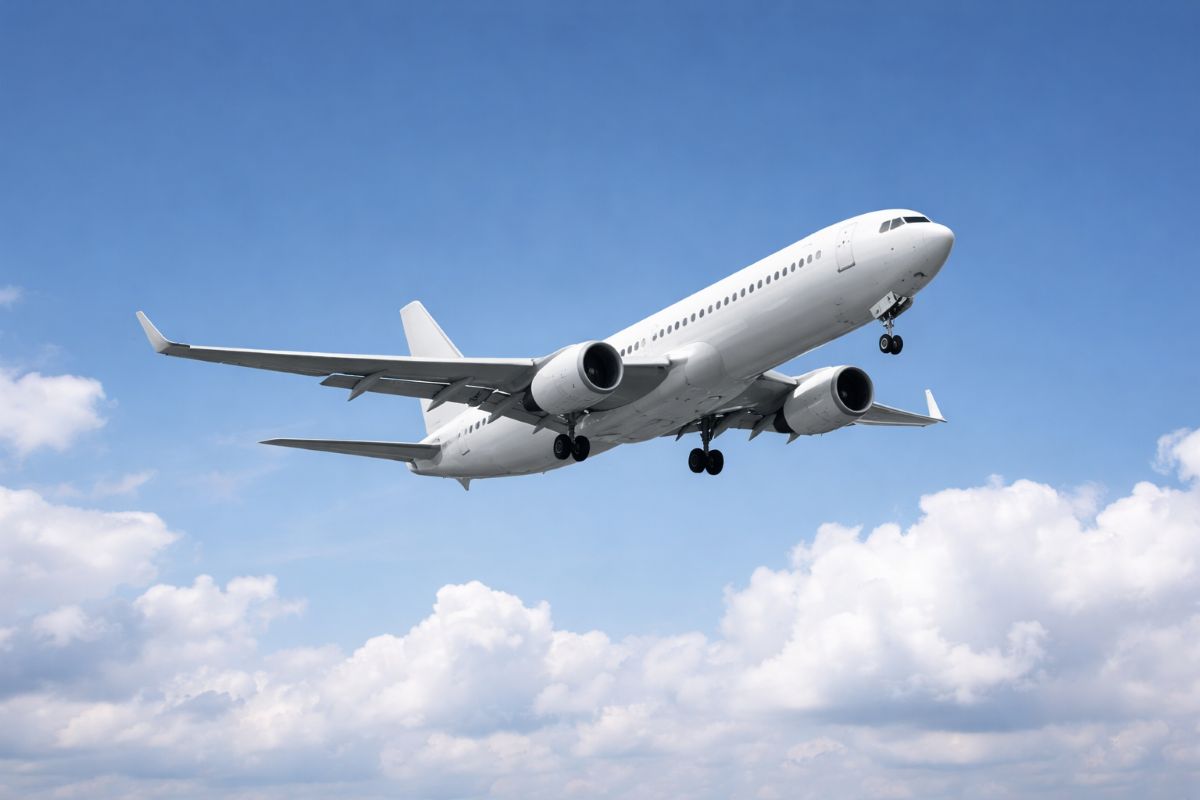
Korean Air has placed a significant order for 103 Boeing jets, valued at approximately $36.2 billion based on 2025 list prices. This major fleet renewal deal represents one of the largest aircraft orders in South Korean aviation history and is a strong indicator of Boeing’s commercial division’s growth. The order, coupled with a new US Army contract and the certification of the Boeing 787, provides positive momentum for Boeing. This development is particularly noteworthy in the context of the current travel industry trends, which emphasize the importance of fleet renewal and strategic partnerships in maintaining competitive advantage.
Key Points:
Actionable Takeaways:
Strategic Fleet Renewal: Companies in the travel industry should consider strategic fleet renewal to maintain competitive advantage. The Korean Air-Boeing deal underscores the importance of long-term partnerships in the aviation sector.
Diversification of Revenue Streams: The inclusion of a US Army contract in the deal highlights the potential for government contracts to diversify revenue streams for aerospace manufacturers. Travel industry stakeholders should explore similar opportunities to stabilize and grow their business.
Technological Advancements: The certification of the Boeing 787 demonstrates the ongoing importance of technological advancements in the aviation industry. Travel companies should stay abreast of technological innovations to enhance operational efficiency and passenger experience.
Contextual Insights:
The Korean Air-Boeing deal is a testament to the ongoing importance of fleet renewal in the aviation industry. As airlines seek to modernize their fleets and improve operational efficiency, strategic partnerships with manufacturers like Boeing become crucial. This trend is reflective of broader industry shifts towards sustainability and technological innovation, where airlines are increasingly investing in eco-friendly aircraft and advanced avionics. For the travel industry, this underscores the need for continuous investment in technology and infrastructure to meet evolving passenger expectations and regulatory requirements. Furthermore, the deal highlights the potential for government contracts to provide stability and growth opportunities for aerospace manufacturers, suggesting that travel industry stakeholders should explore similar avenues to ensure long-term success.
Read the Complete Article.
Get curated travel AI insights — choose the newsletters that matter to you.
ALTOUR Expands into Thailand, Strengthening Corporate Travel Network Across Southeast Asia BANGKOK, THAILAND (25 March, 2026) – ALTOUR, a leading...
Read moreDetails


I'm sorry for any inconvenience, but it appears that the article content provided is incomplete and does not contain any...
Read moreDetails