






No products in the cart.
- Latest
- Trending


Boeing Plans to Sell 103 Planes to Korean Air for $36.2 Billion -- Update
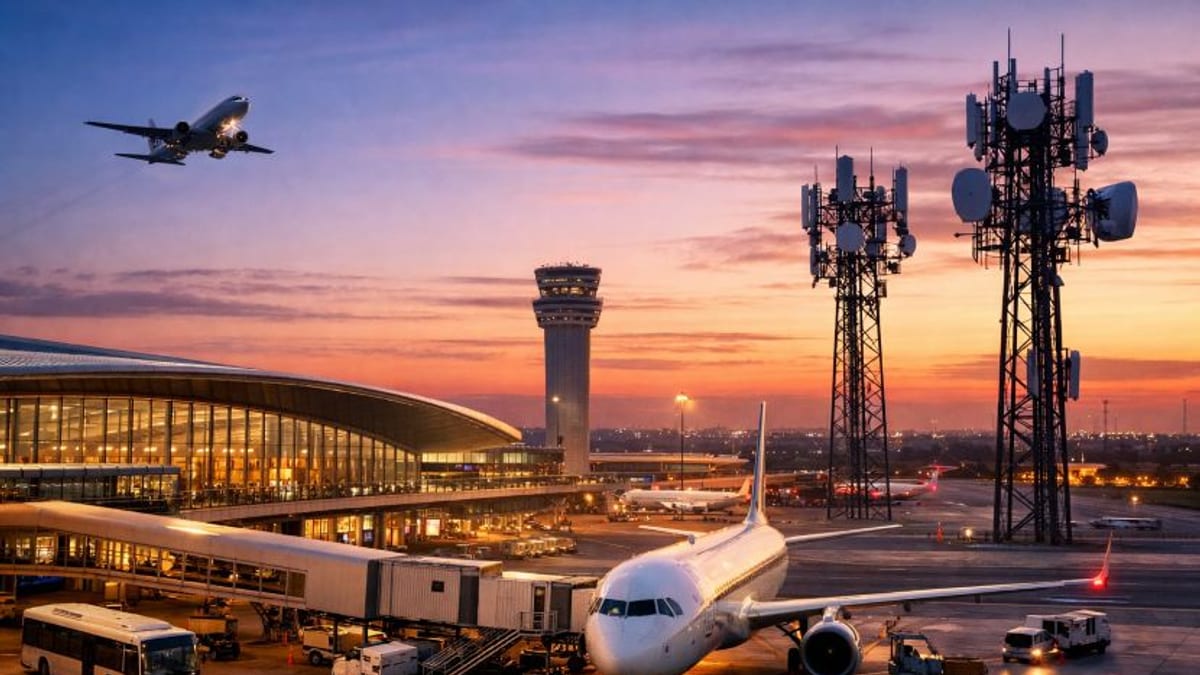
Korean Air is making a monumental move to reshape its fleet and enhance its position in global aviation, announcing a significant order from Boeing. This strategic investment underscores the airline’s commitment to modernization, sustainability, and an elevated passenger experience, signaling a strong outlook for the future of air travel in Asia and beyond.
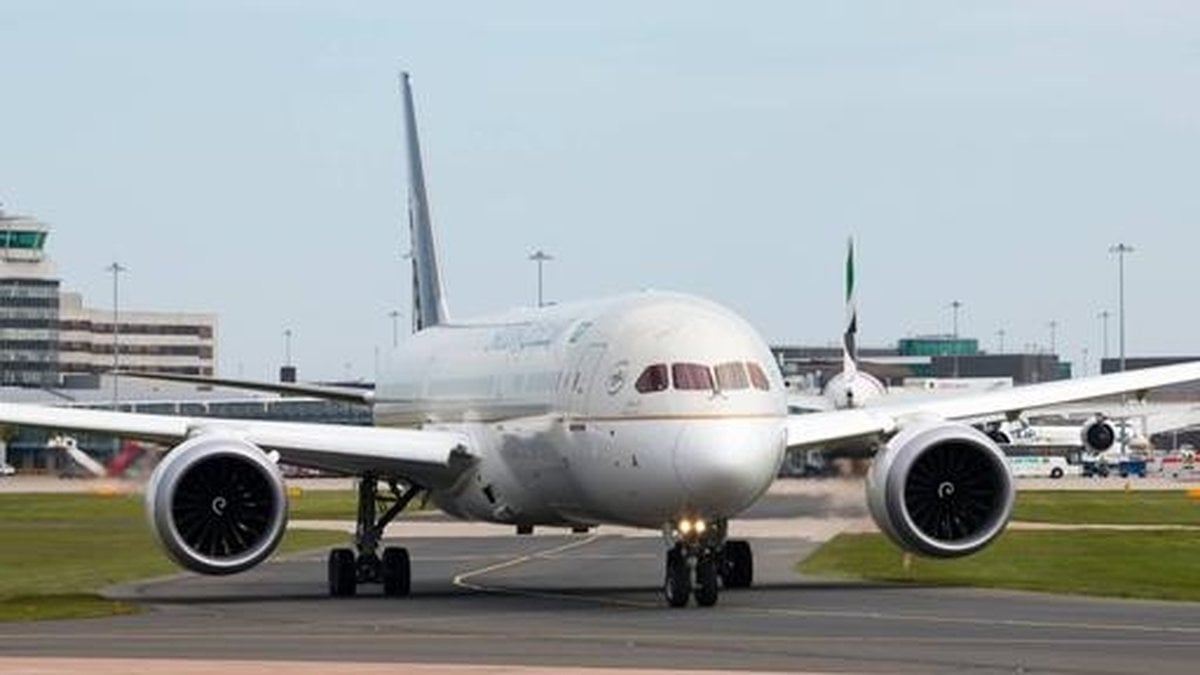
At the heart of this deal is Korean Air’s push for a more efficient and modern fleet. The airline is set to acquire a mix of wide-body 787 Dreamliners and narrow-body 737 MAX jets. The Dreamliners, known for their advanced technology and superior fuel efficiency, are particularly crucial for expanding long-haul operations and reducing environmental impact. With 25% better fuel efficiency compared to older aircraft, these planes will significantly lower operating costs and carbon emissions, aligning with global sustainability goals. For passengers, this means a quieter cabin, larger windows, and a generally more comfortable flight experience on international routes.
This extensive fleet upgrade is a cornerstone of Korean Air’s long-term strategy, particularly as it navigates the planned merger with Asiana Airlines. By standardizing and modernizing its fleet, Korean Air aims to streamline operations, reduce maintenance complexity, and achieve greater synergies post-merger. This move positions the airline to better compete on key international routes, offering enhanced connectivity and an improved product for travelers across its expanding network. The commitment to acquiring new, high-performance aircraft reflects confidence in the sustained recovery and growth of international air travel demand.
For Boeing, this substantial order is a crucial win, reinforcing its standing in the competitive aerospace market. It highlights the continued trust major airlines place in its aircraft, especially the popular 787 Dreamliner series and the 737 MAX, which remains a workhorse for many carriers. The deal provides a significant boost to Boeing’s order backlog and manufacturing stability, demonstrating robust demand for modern, fuel-efficient aircraft as airlines globally update their fleets to meet both operational and environmental objectives.
As a travel industry professional, I see this as a clear indicator of a forward-thinking airline investing strategically for long-term growth. Travelers can anticipate a superior journey with a younger, more advanced fleet, while the industry as a whole benefits from the commitment to more sustainable aviation practices.
Key Points
Read the Complete Article.
Get curated travel AI insights — choose the newsletters that matter to you.
ALTOUR Expands into Thailand, Strengthening Corporate Travel Network Across Southeast Asia BANGKOK, THAILAND (25 March, 2026) – ALTOUR, a leading...
Read moreDetails


Comprehensive Summarization: The Turkish city of Trabzon recently hosted the inaugural Blue Economy Summit from March 27-29, marking a significant...
Read moreDetails