



















Travel Capitalist Ventures Expands Check Size to $10 Million to Deepen Emerging Market Conviction
Boutique Travel VC raises investment cap from $1.5M to $10M to lead rounds and support portfolio companies through growth Travel...
Read moreDetails

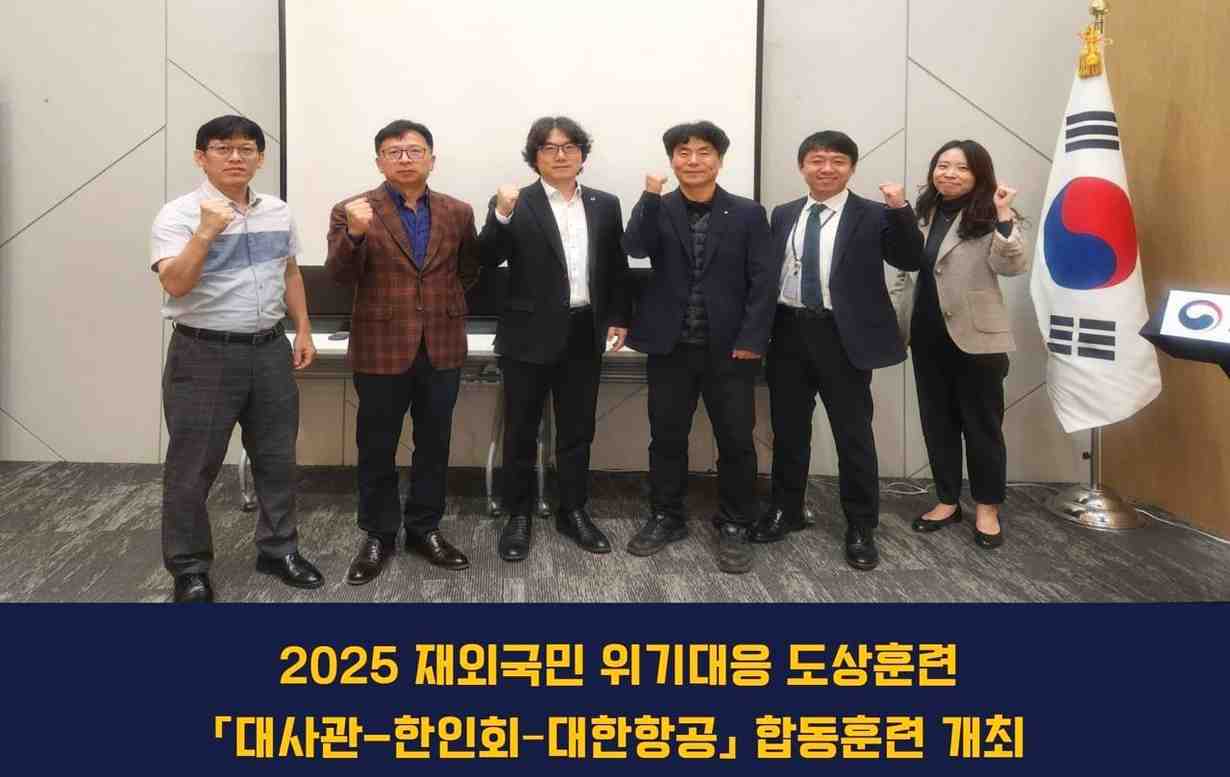
Embassy Leads Joint Crisis Response Exercise with Korean Community and Korean Air
Article Summary:
Asian Community News (ACN) reports on a joint crisis response exercise led by an embassy in collaboration with the Korean community and Korean Air. This initiative underscores the importance of international cooperation in managing crises, particularly in the context of travel and logistics within the East Asian community. The exercise highlights the role of diplomatic and community organizations in ensuring safety and efficiency during emergencies, reflecting a broader trend of enhanced collaboration among global entities to address travel-related challenges.
Key Points:
Joint Crisis Response Exercise: The article details a coordinated effort between an embassy, the Korean community, and Korean Air to conduct a joint crisis response exercise. This initiative is aimed at improving preparedness and response mechanisms in the event of emergencies affecting the travel sector.
Focus on East Asian Community: The exercise specifically targets the East Asian community, recognizing the unique travel dynamics and challenges faced by this demographic. It emphasizes the need for tailored crisis management strategies that consider cultural, linguistic, and logistical factors.
Partnership Involvement: The collaboration between the embassy, Korean community organizations, and Korean Air illustrates a multi-stakeholder approach to crisis management. Each partner brings distinct expertise and resources, enhancing the overall effectiveness of the exercise.
Enhanced Safety and Efficiency: By conducting joint exercises, the partners aim to improve safety protocols and operational efficiency. This collaborative effort is indicative of a growing trend in the travel industry towards more integrated and cooperative crisis management strategies.
Actionable Takeaways:
Strengthen Multi-Stakeholder Partnerships: Travel organizations and diplomatic entities should actively seek partnerships with community groups and industry stakeholders to enhance crisis response capabilities. This approach can lead to more robust and adaptable emergency protocols.
Tailor Crisis Management Strategies: Develop crisis management plans that are sensitive to the specific needs and characteristics of the East Asian community. This includes considering cultural nuances, language barriers, and logistical challenges unique to this demographic.
Leverage Technology for Coordination: Utilize advanced communication and coordination tools to facilitate seamless collaboration among partners during crisis scenarios. Technology can play a crucial role in ensuring real-time information sharing and efficient resource allocation.
Contextual Insights:
The joint crisis response exercise exemplifies a broader industry trend towards greater collaboration and innovation in managing travel-related crises. As the travel sector becomes increasingly globalized, the need for coordinated efforts among governments, community organizations, and industry players is more critical than ever. This initiative not only enhances safety and efficiency but also fosters a sense of community and shared responsibility among stakeholders. Looking ahead, similar collaborative efforts are likely to become more prevalent, driven by the need to address emerging challenges such as pandemics, geopolitical tensions, and natural disasters. Embracing these collaborative approaches will be key to building resilient travel ecosystems that can withstand and respond effectively to a wide range of crises.
Read the Complete Article.
Boutique Travel VC raises investment cap from $1.5M to $10M to lead rounds and support portfolio companies through growth Travel...
Read moreDetails




