






No products in the cart.
- Latest
- Trending


Comprehensive Summarization:
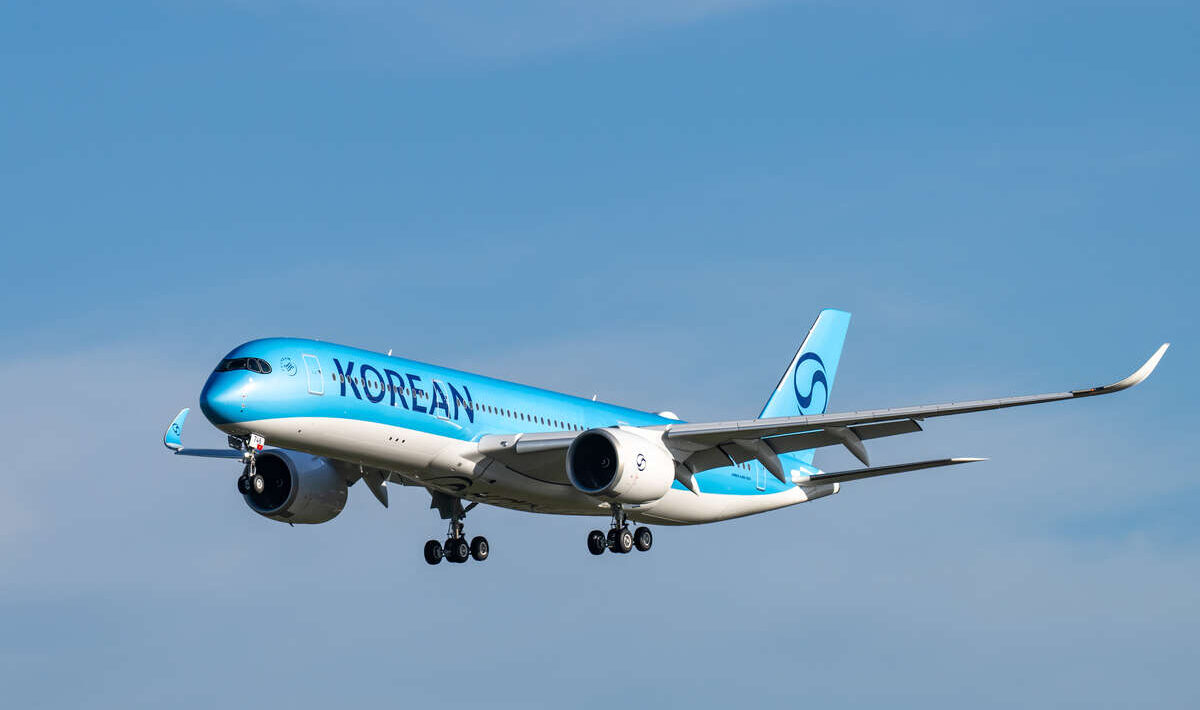
Korean Air and the Busan Metropolitan Government have signed a memorandum of understanding (MOU) to establish a large-scale unmanned aircraft manufacturing facility in western Busan. This strategic expansion of South Korea’s aerospace and defense manufacturing ecosystem focuses on next-generation unmanned aerial systems (UAS), artificial intelligence-driven aviation technologies, and aircraft component production. The project, valued at approximately ₩200 billion ($145 million), will span around 52,892 square meters and is expected to enhance Korean Air’s position in aerospace manufacturing and defence-related aviation. It aligns with Busan’s ambition to develop an integrated aviation and aerospace industrial cluster, particularly in connection with future aviation infrastructure projects. The MOU, signed on March 30, 2026, remains non-binding, with detailed investment execution plans, regulatory approvals, and project timelines expected in subsequent phases.
Key Points:
Actionable Takeaways:
Strategic Expansion in Aerospace Manufacturing: The establishment of the unmanned aircraft manufacturing facility in Busan represents a significant strategic expansion for South Korea’s aerospace and defense manufacturing ecosystem. This move underscores the growing importance of unmanned aerial systems (UAS) and artificial intelligence-driven aviation technologies in the global aerospace industry. For stakeholders in the travel industry, this development could lead to enhanced travel experiences through advanced UAS applications, such as aerial photography, delivery services, and tourism monitoring. The initiative also positions Busan as a competitive hub for advanced aviation manufacturing, potentially attracting further investment and skilled employment in the region.
Investment in AI-Driven Aviation Technologies: The focus on artificial intelligence-driven aviation technologies within the facility highlights a broader industry trend toward integrating AI into aviation operations. This trend is likely to impact travel tech by driving innovations in autonomous flight systems, maintenance, repair, and overhaul (MRO) capabilities, and overall operational efficiency. Travel companies that adopt AI-driven solutions could benefit from improved safety, reduced operational costs, and enhanced passenger experiences. For instance, AI could optimize flight routes, predict maintenance needs, and automate routine tasks, leading to more efficient and cost-effective travel services.
Strengthening South Korea’s UAV Industry: The project is expected to strengthen South Korea’s domestic UAV industry, which is crucial for both civilian and defence applications. As demand for autonomous systems rises globally, South Korea’s enhanced UAV capabilities could provide a competitive edge in the international market. Travel startups focusing on UAV-based services, such as aerial surveillance, tourism, and logistics, could leverage this industry growth to expand their offerings and enter new markets. The facility’s emphasis on aircraft component production and maintenance further supports the development of a robust UAV ecosystem, potentially creating new opportunities for travel-related businesses.
Contextual Insights:
The signing of the MOU between Korean Air and the Busan Metropolitan Government reflects a broader trend of strategic partnerships and investments in aerospace and defense sectors globally. As countries seek to enhance their technological capabilities and industrial diversification, such collaborations become pivotal in driving innovation and economic growth. The focus on unmanned aerial systems (UAS) and artificial intelligence-driven aviation technologies aligns with current industry trends, where automation and AI are becoming integral to enhancing operational efficiency and expanding service offerings.
In the context of the travel industry, this development signifies a shift toward more sophisticated and technologically advanced travel experiences. The integration of UAS and AI-driven solutions could revolutionize various aspects of travel, from enhancing tourism through aerial photography and virtual tours to improving logistics and delivery services. Moreover, the initiative’s alignment with Busan’s long-term industrial diversification strategy suggests a commitment to sustainable and innovative growth, which could further bolster the region’s appeal as a hub for advanced manufacturing and technology.
As the travel industry continues to evolve, staying abreast of such strategic developments will be crucial for companies aiming to remain competitive. By leveraging the advancements in aerospace manufacturing and AI-driven technologies, travel businesses can innovate their service offerings, improve operational efficiency, and capture new market opportunities. The Busan project serves as a testament to the potential of such strategic investments in shaping the future of travel and aviation.
Read the Complete Article.
Get curated travel AI insights — choose the newsletters that matter to you.
ALTOUR Expands into Thailand, Strengthening Corporate Travel Network Across Southeast Asia BANGKOK, THAILAND (25 March, 2026) – ALTOUR, a leading...
Read moreDetails

Comprehensive Summarization: The article discusses the unprecedented fuel shortage crisis triggered by the 2026 Hormuz Blockade, which has significantly impacted...
Read moreDetails