Article Summary:
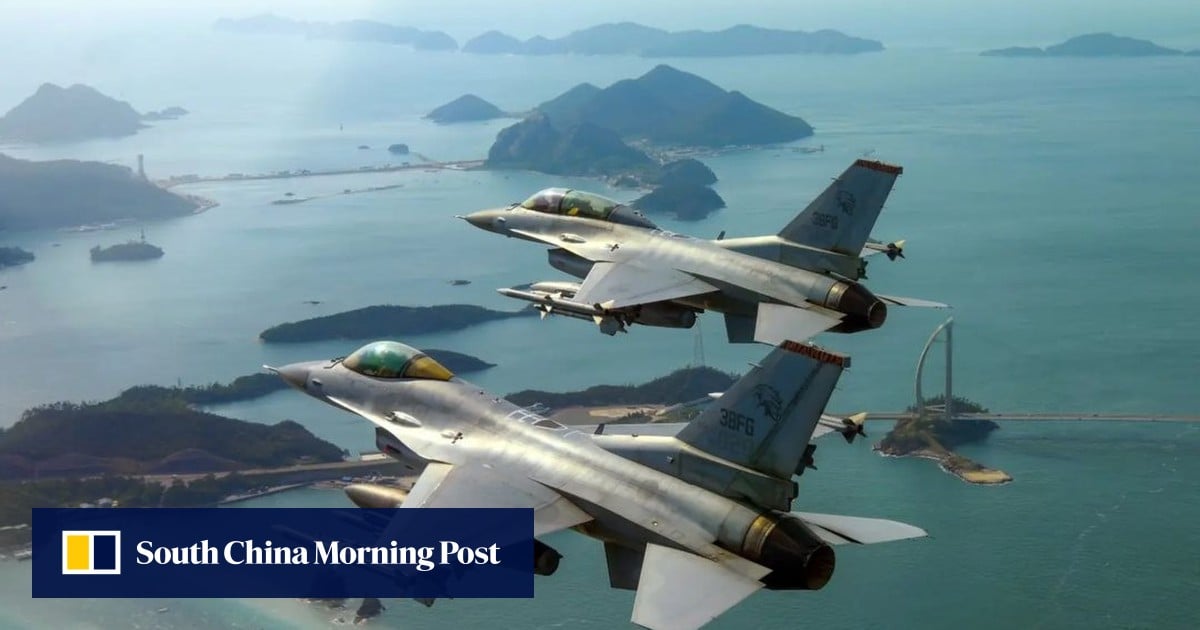
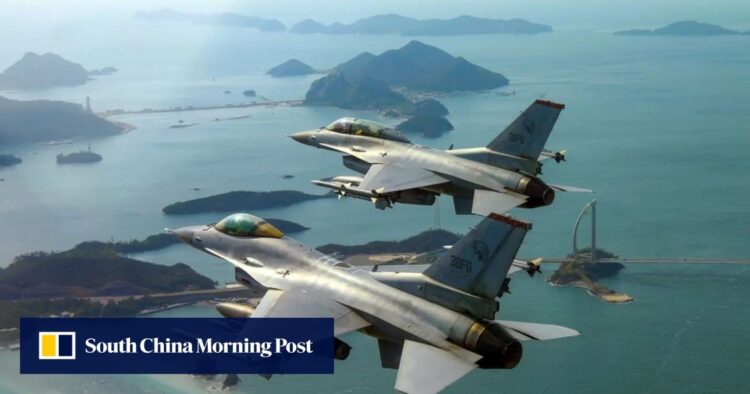
Military aircraft from China and Russia entered South Korea’s air defense zone without notification on Tuesday, prompting the deployment of fighter jets. The Korean military confirmed that the nine aircraft appeared to be part of a joint patrol in the area, their first such exercise in over 12 months. The aircraft did not violate Korean airspace, according to the country’s military command authority. Hours later, the Chinese defense ministry announced that China and Russia had carried out their 10th joint strategic…
Key Points:
- Military aircraft from China and Russia entered South Korea’s air defense zone without prior notification.
- The deployment of fighter jets by the Korean military followed the entry of the aircraft.
- The nine aircraft were part of a joint patrol, marking their first such exercise in more than 12 months.
- The joint patrol did not violate Korean airspace, as confirmed by the Korean military command authority.
- The Chinese defense ministry announced that China and Russia had carried out their 10th joint strategic…
Actionable Takeaways:
- Increased Military Cooperation: The joint patrol between China and Russia signifies heightened military cooperation between the two nations. This development could have geopolitical implications, potentially influencing regional stability and international relations. For travel and logistics companies operating in the Asia-Pacific region, this may necessitate a reassessment of safety protocols and contingency plans, particularly for routes involving South Korea.
- Impact on Travel Safety Protocols: The incident underscores the importance of robust safety protocols in the travel industry, especially in regions with heightened military activity. Companies may need to invest in advanced surveillance technologies and real-time monitoring systems to ensure the safety of their passengers and cargo. This could also drive innovation in travel tech, with startups developing more sophisticated tracking and alert systems.
- Geopolitical Considerations for Travel Startups: The joint strategic exercise between China and Russia may impact travel startups operating in the region. Increased military presence could lead to stricter border controls and potential travel restrictions, affecting the logistics and operational costs for startups. Understanding these geopolitical dynamics is crucial for startups to adapt their business models and ensure compliance with evolving travel regulations.
Read the Complete Article.