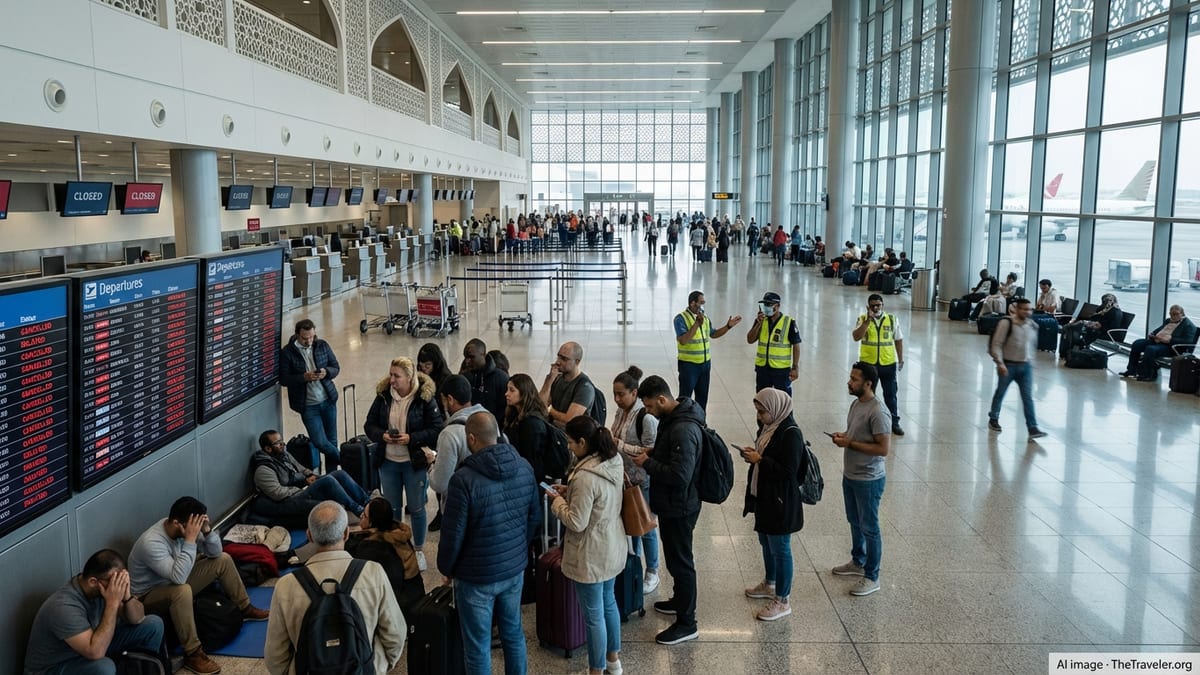
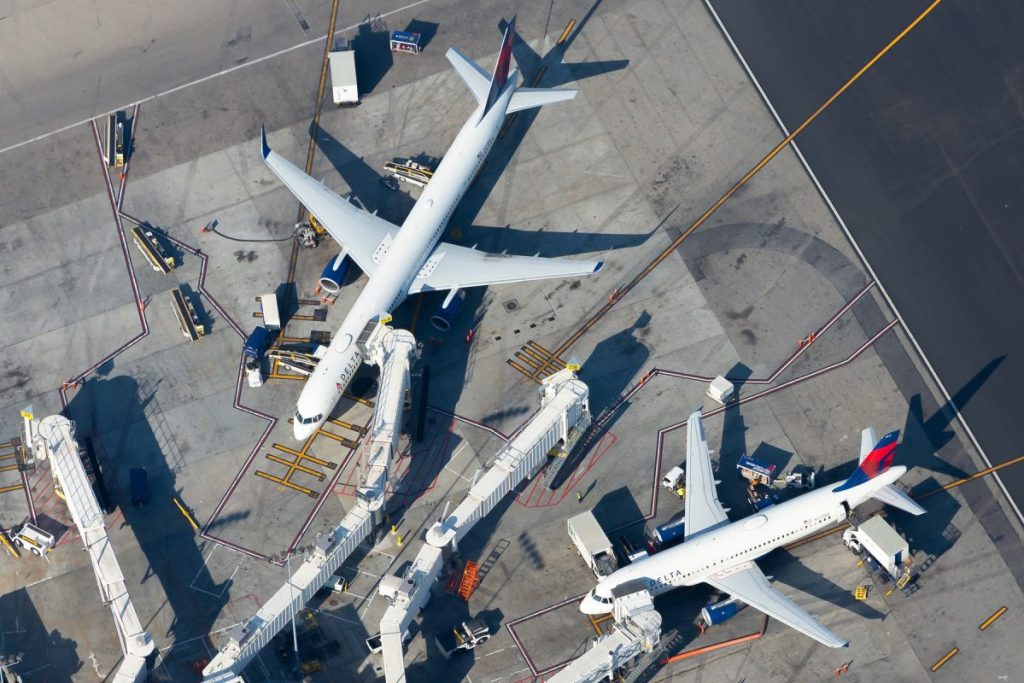
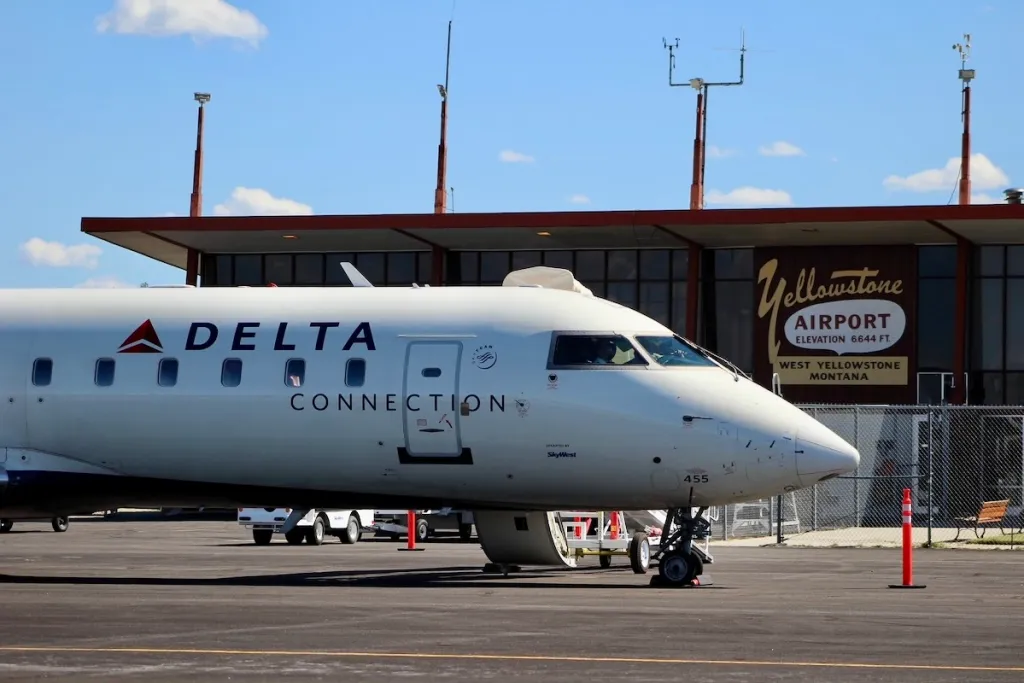
Delta Air Lines and Korean Air have announced the cancellation of three key flights in South Korea, disrupting travel to Seattle–Tacoma in the United States and between Jeju and Gwangju. These cancellations have isolated passengers and affected routes, leading to significant travel disruptions. The article, published on February 11, 2026, highlights the impact on both international and domestic routes, emphasizing the challenges faced by travelers and the airline industry in managing such disruptions.
Key Points:
Flight Cancellations:Delta Air Lines and Korean Air have canceled three key flights in South Korea, impacting travel to Seattle–Tacoma and between Jeju and Gwangju.
Disruption of Routes: The cancellations isolate passengers and affect routes to Seattle, Jeju, and other destinations, causing significant travel disruptions.
Publication Date: The article was published on February 11, 2026, indicating recent developments in the travel industry.
Actionable Takeaways:
Proactive Communication: Airlines should enhance their communication strategies to promptly inform passengers about cancellations and provide alternative travel options. This proactive approach can mitigate passenger frustration and improve overall satisfaction.
Route Flexibility: Airlines should consider offering flexible ticket options or rebooking policies to accommodate travelers affected by flight cancellations. This flexibility can help retain customer loyalty and reduce the financial impact of disruptions.
Route Optimization: Airlines may need to reassess and optimize their route networks to minimize the impact of future cancellations. This could involve increasing the frequency of flights on critical routes or diversifying route options to reduce dependency on single carriers.
Contextual Insights:
The recent flight cancellations by Delta Air Lines and Korean Air underscore the vulnerabilities within the travel industry, particularly in managing disruptions caused by operational issues. This incident highlights the importance of robust contingency planning and effective communication strategies in the travel sector. As the industry continues to evolve, with increasing reliance on technology and global connectivity, airlines must prioritize resilience and adaptability to navigate unforeseen challenges. The focus on route optimization and passenger-centric policies will be crucial in maintaining operational efficiency and customer satisfaction in the face of such disruptions.
Comprehensive Summarization: The article reports a ground handling incident involving a FlySafair Boeing 737-800 at Cape Town International Airport, which...